Abstract


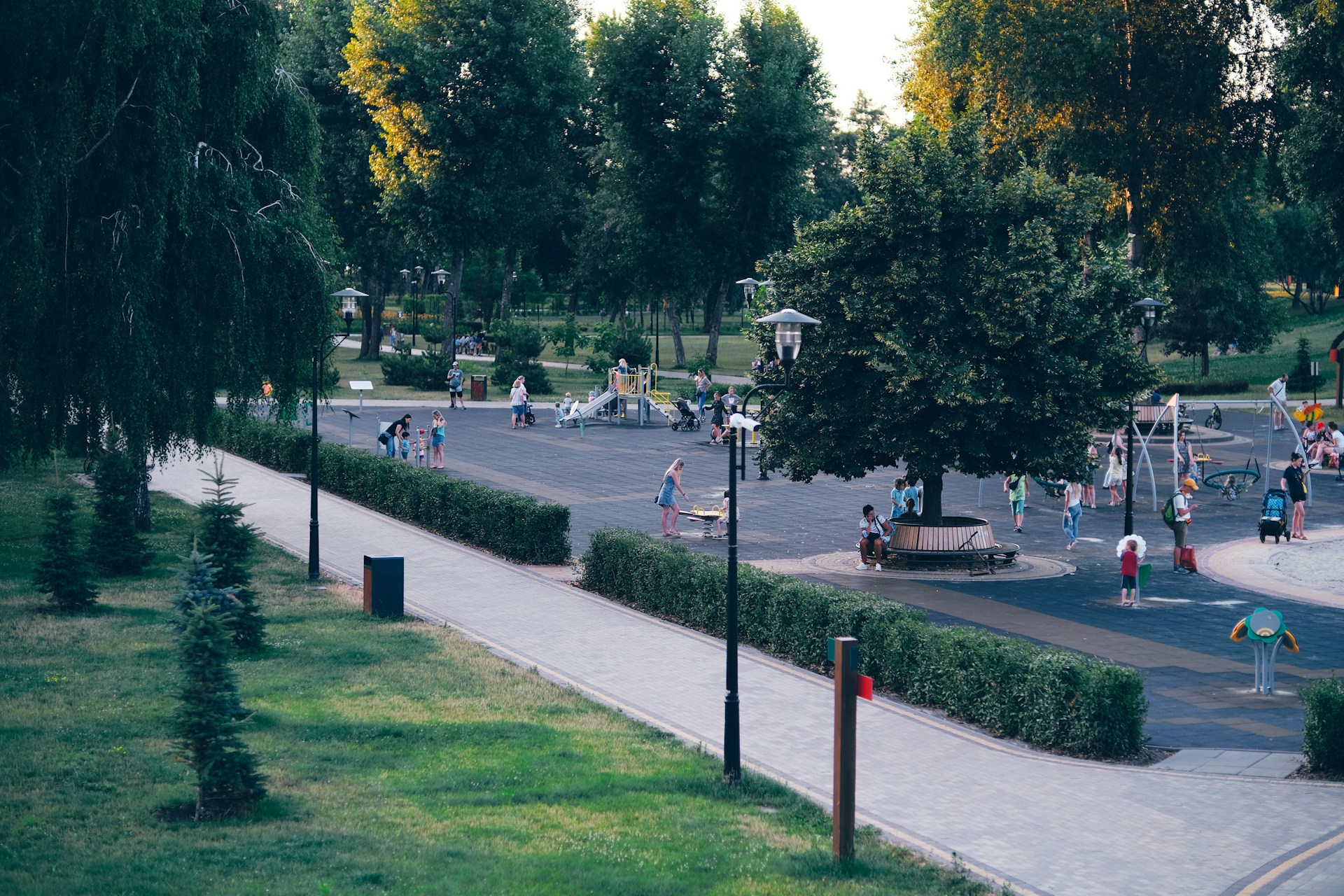
Extensive attention has been given to children’s play spaces in public environments. Still, there exists a research need to devise a more comprehensive and structured design framework for space design addressing more comprehensive and structured activity modeling capabilities. The Context-Based Activity Modeling (CBAM) has been proposed as a framework for service design where activities are represented by elements like action verb, actors, object, tool, and contexts, where context is further represented by goal, relevant structure, physical, and psychological contexts.
In this paper, children’s play activities such as throw, run, chase, hide, seek, and seize as observed in a community courtyard setting have been represented and interrogated using the CBAM method. Then, six specific design strategies have been derived for enhancing children’s play space design. As demonstrated in this way, CBAM is proposed as a framework for activity-centered space design for child playground. Experiential sustainability of children’s play activities are supported by play space design fully addressing detailed context elements of CBAM.

Authors: Wang, Y. & Kim, Y.S.

Journal: Sustainability (Switzerland)

Year: 2025


Projects

Explore our institute’s active engagement in developing playgrounds’ future through innovative research and current projects.


Briefs

We are dedicated to sharing valuable insights from research studies and reviews through concise and accessible publications.


Articles

Explore our article database for a comprehensive array of global research and insights, offering diverse perspectives and knowledge.


News

Stay up-to-date and engaged through the latest news, project updates, events, and activities specific to playground research.
Privacy Settings
This website uses cookies to enhance your browsing experience on our website and our services. You may revoke or change your consent settings at any time.

Accept all Essential only