Abstract
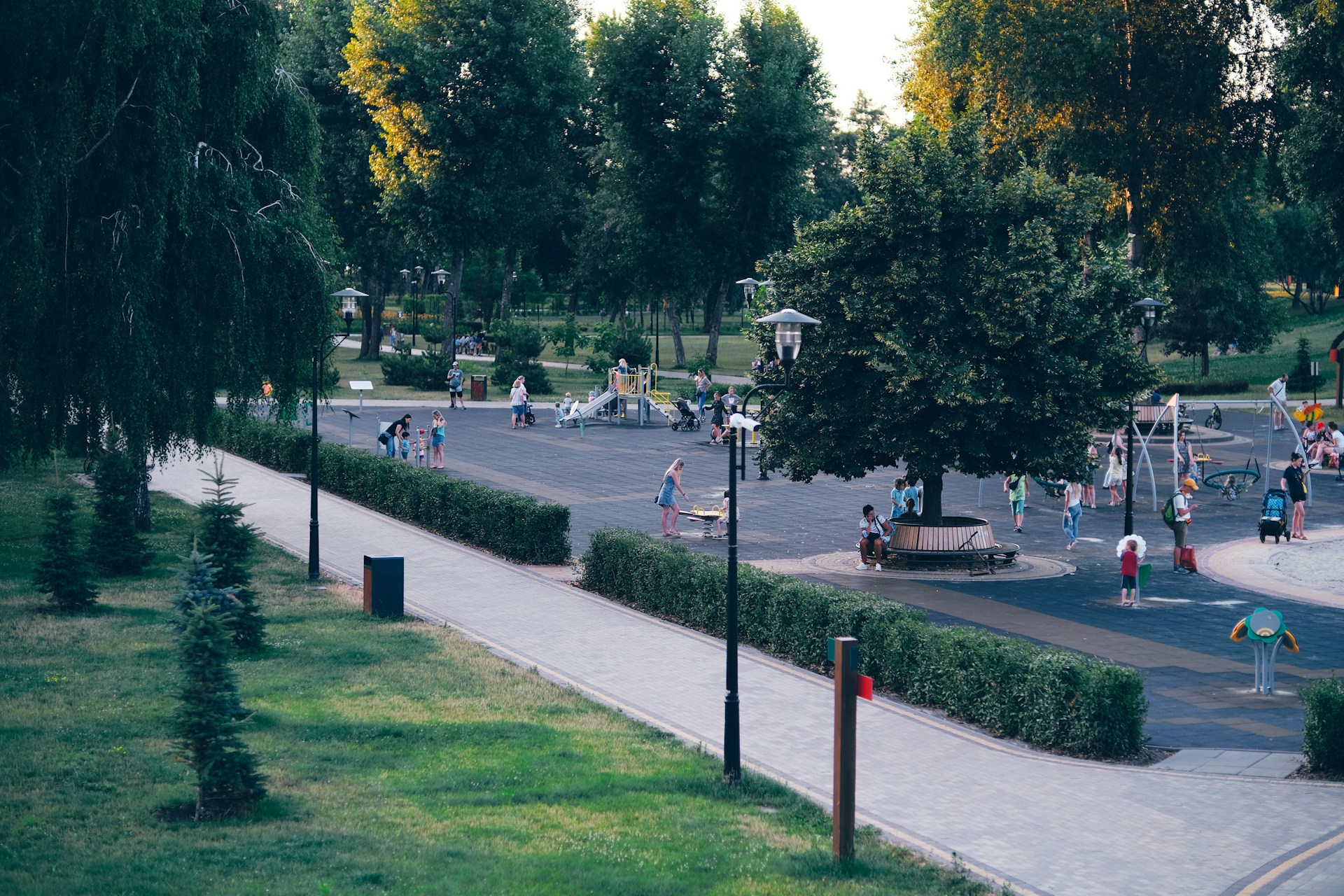
The origin of children’s playgrounds coincides with the assimilation and evolution of the picturesque movement within metropolitan culture in the mid-19th century. In the major European and North American capitals, this process drove the creation of an extensive and dynamic network of public parks, through which new operational imaginaries of nature were incorporated and have endured to the present day. Moreover, this emergence is inseparable from a complete reformulation of the very notion of childhood.
Soon after the early inclusion of attractions for children in such exclusive urban gardens, playgrounds inherited the playful impulse of the first ludic elements installed in green areas yet served more specific uses and political visions, which contributed to definitively articulating the spatial control of a different form of sociability, ‘minor’ and subsidiary to adulthood. The first outdoor spaces specifically designed to contain children’s play outside of a park appeared around 1885, almost coinciding with the invention of the automobile and the emergence of new information and communication technologies, such as cinema and radio.
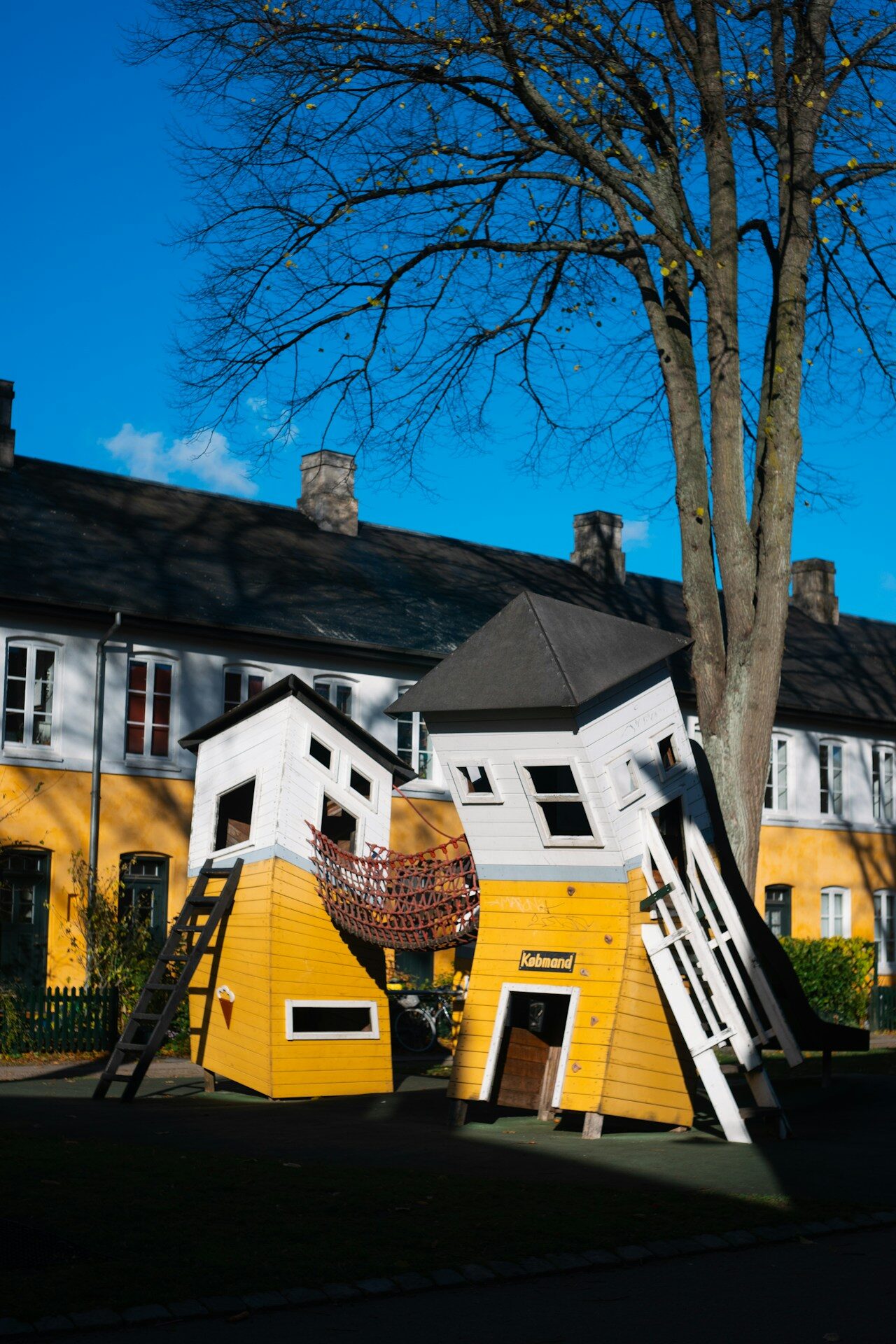
In other words, the relationship between childhood and the city as we understand it today, mediated by its play landscapes, is essentially modern. Conceived by adults, these spaces have produced territories of exception, hetero-topias whose deterministic configuration has separated them from other environments. A few social reformers and landscape designers, their accidental creators, aimed to rethink these isolated spaces and hand them over to children’s exploration under their own rules.
This paper addresses how, after the creation of playgrounds, through different assumptions and ideologies, as well as material paradigms, landscape design, and its conceptual and methodological tools have provided architecture with the most successful attempts to negotiate the otherness of childhood and reintegrate it into urban life. Their experiences constitute a valuable disciplinary legacy, raising instrumental questions to face contemporary challenges.
Journal: Revista 180
Year: 2025