Abstract
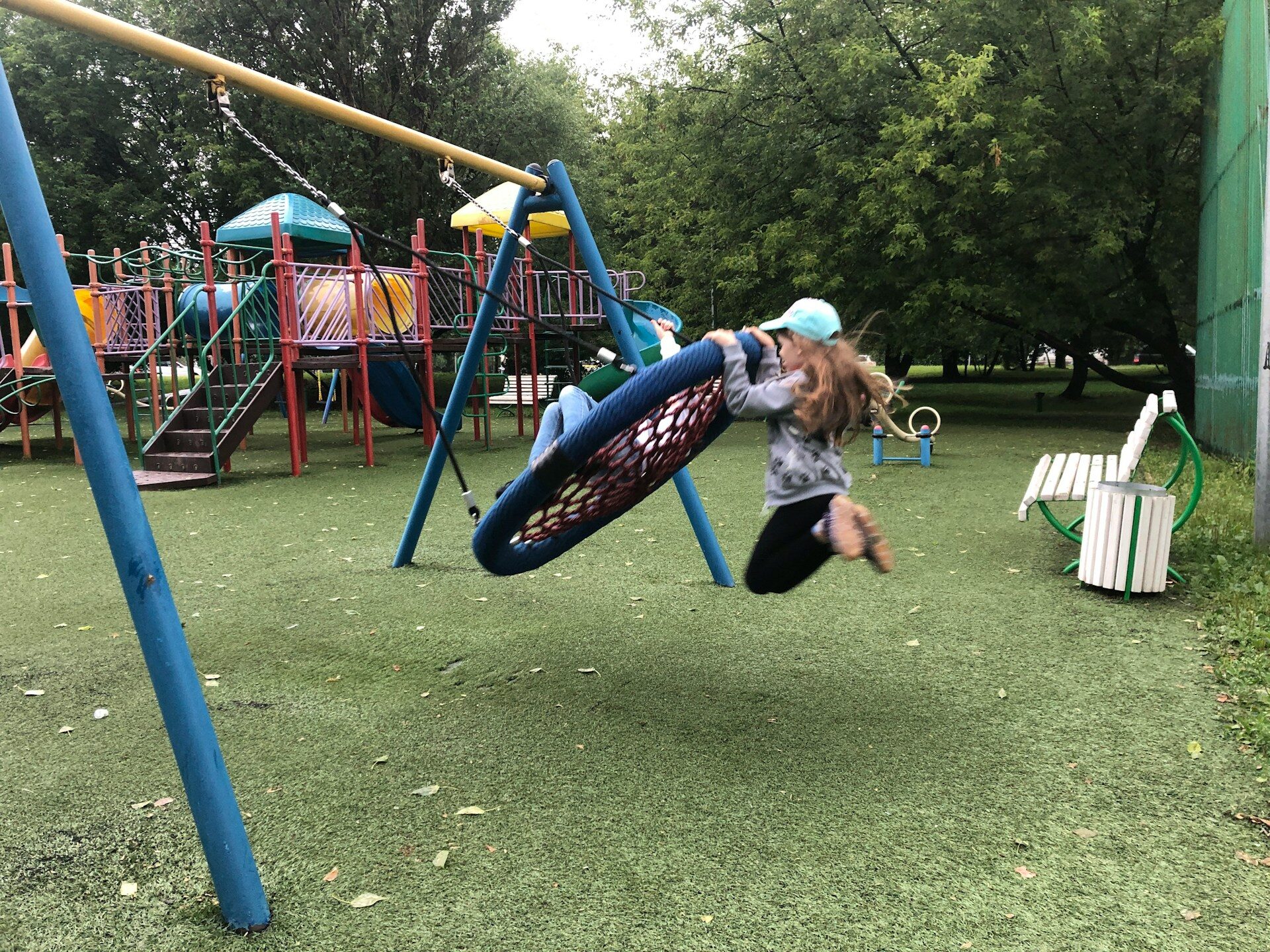
Despite documented benefits for development, children are engaging in considerably fewer risky play activities. Research on parent gender and children’s risky play is inconsistent. Gender and cultural context shape how individuals perceive and tolerate children’s risky play. Little research exists on gender disparities in approaches to risky play in Eastern cultures, including Saudi Arabia. The study’s objective was to examine gender variations in Saudi parents’ willingness and tolerance for children’s risky play. It included 85 parents: 41 fathers and 44 mothers. Differential Item Functioning analysis revealed a statistically significant difference between mothers and fathers on three Factors Affecting Tolerance of Risk in Play Scale items. While interaction effects and predictors were not significant (p = .22-.97), the overall multiple regression model significantly predicted parents’ risk tolerance (p = .04). Within the context of other factors, gender appeared to play a complex and indirect role in determining parents’ risk tolerance.
Journal: OTJR Occupation, Participation and Health
Year: 2025