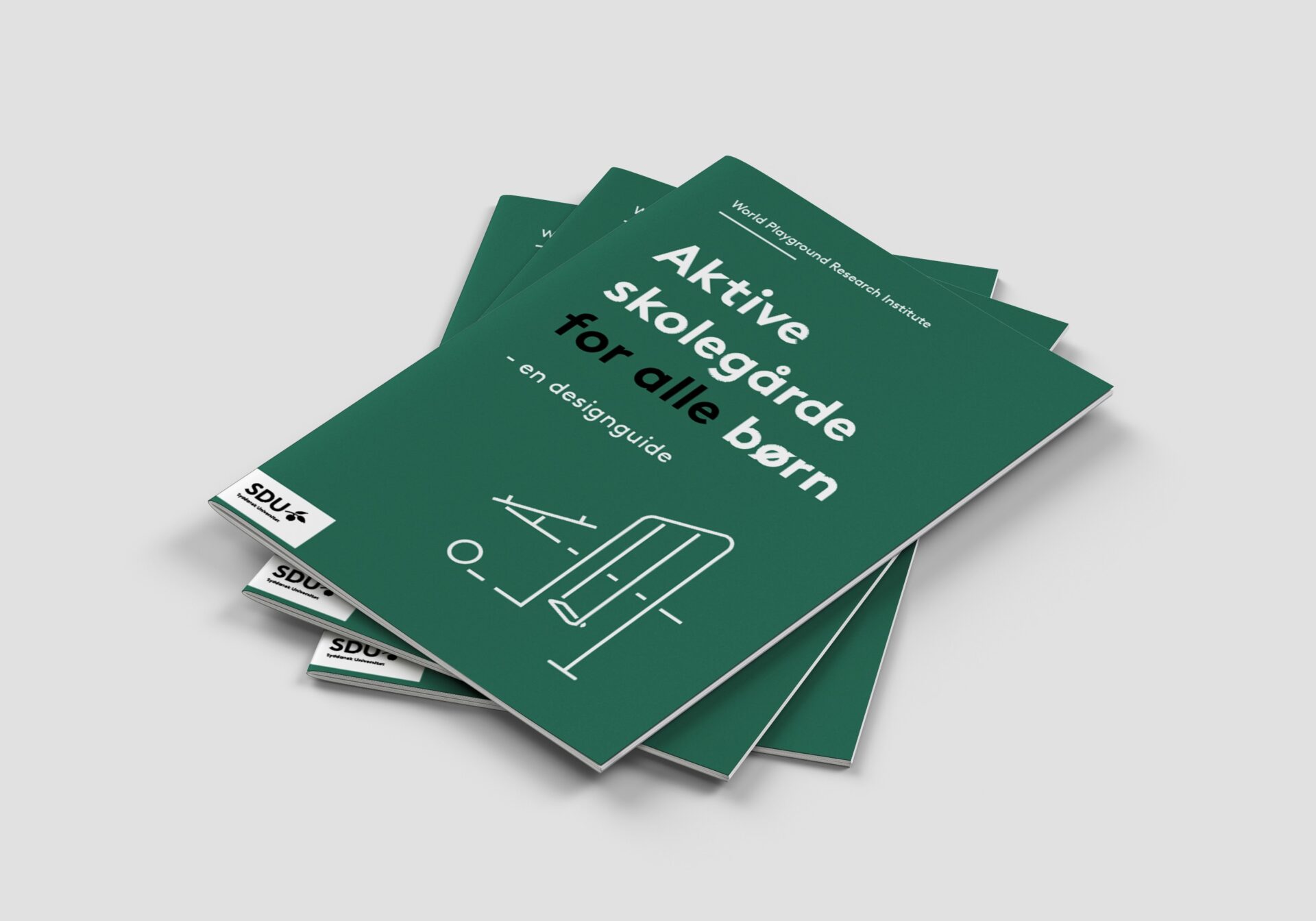
The World Playground Research Institute has launched a new visual design guide that translates years of playground and schoolyard research into practical inspiration for designing schoolyards that support the needs of all children while promoting well-being, physical activity, and social interaction.
The guide is aimed at landscape architects, school leaders, planners, designers, and others involved in developing or renovating school outdoor spaces.
Why a new design guide?
Schoolyards are among the few places where all children have daily opportunities for play and movement. Yet many schoolyards are not designed to accommodate the different ways children play and move.
The new guide challenges this approach by focusing on children’s play preferences rather than age or gender. The ambition is simple: to help create schoolyards where more children can find places they want to use during recess.
“Our ambition is to turn knowledge about children’s play preferences into practical inspiration for those designing schoolyards. By moving beyond assumptions about age and gender, we can create spaces that offer more children opportunities to play, move, and be part of the community”, says Charlotte Pawlowski, researcher at the World Playground Research Institute.
From research to design
The design guide is rooted in many years of interdisciplinary research. It draws on studies exploring children’s play behaviour, physical activity, schoolyard preferences, and the impact of outdoor environments on well-being and learning.
By transforming research findings into practical design recommendations, the guide supports evidence-informed decision-making across sectors. Rather than presenting research in a traditional report format, the guide is designed as a highly visual format. It combines illustrations, photographs, examples, and practical checklists that make the recommendations easy to apply in real-world projects.
“We wanted to make the research easy to understand and, most importantly, easy to use. By presenting the knowledge in a visual and practical format, we hope to make it accessible to everyone involved in designing schoolyards”, explains Jasper Schipperijn, researcher at the World Playground Research Institute.
Five play types to keep in mind
The guide presents five play types identified through research on how children use and experience schoolyards. Together, they provide a framework for designing outdoor environments that appeal to diverse interests and motivations.
The five play types are:
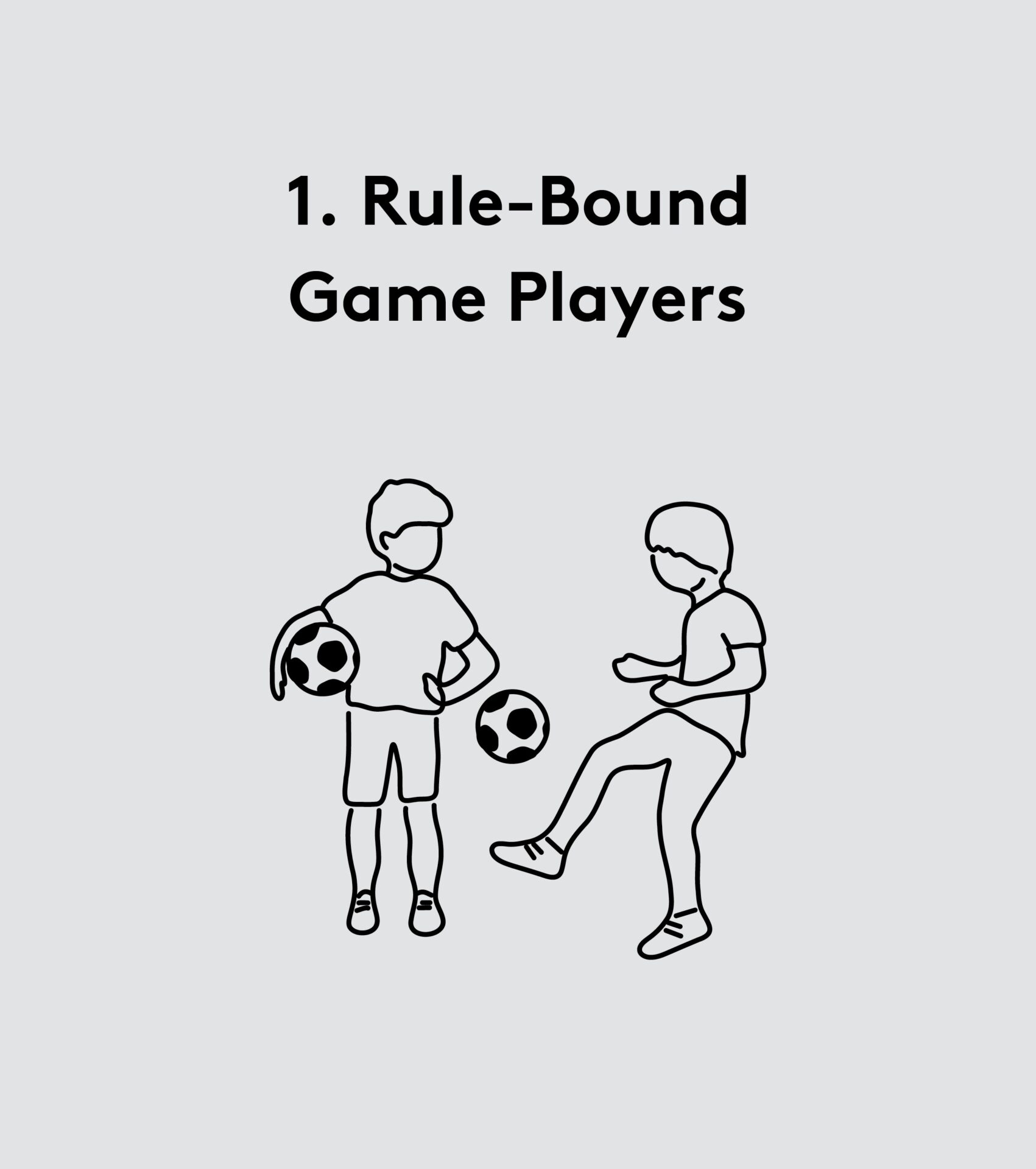
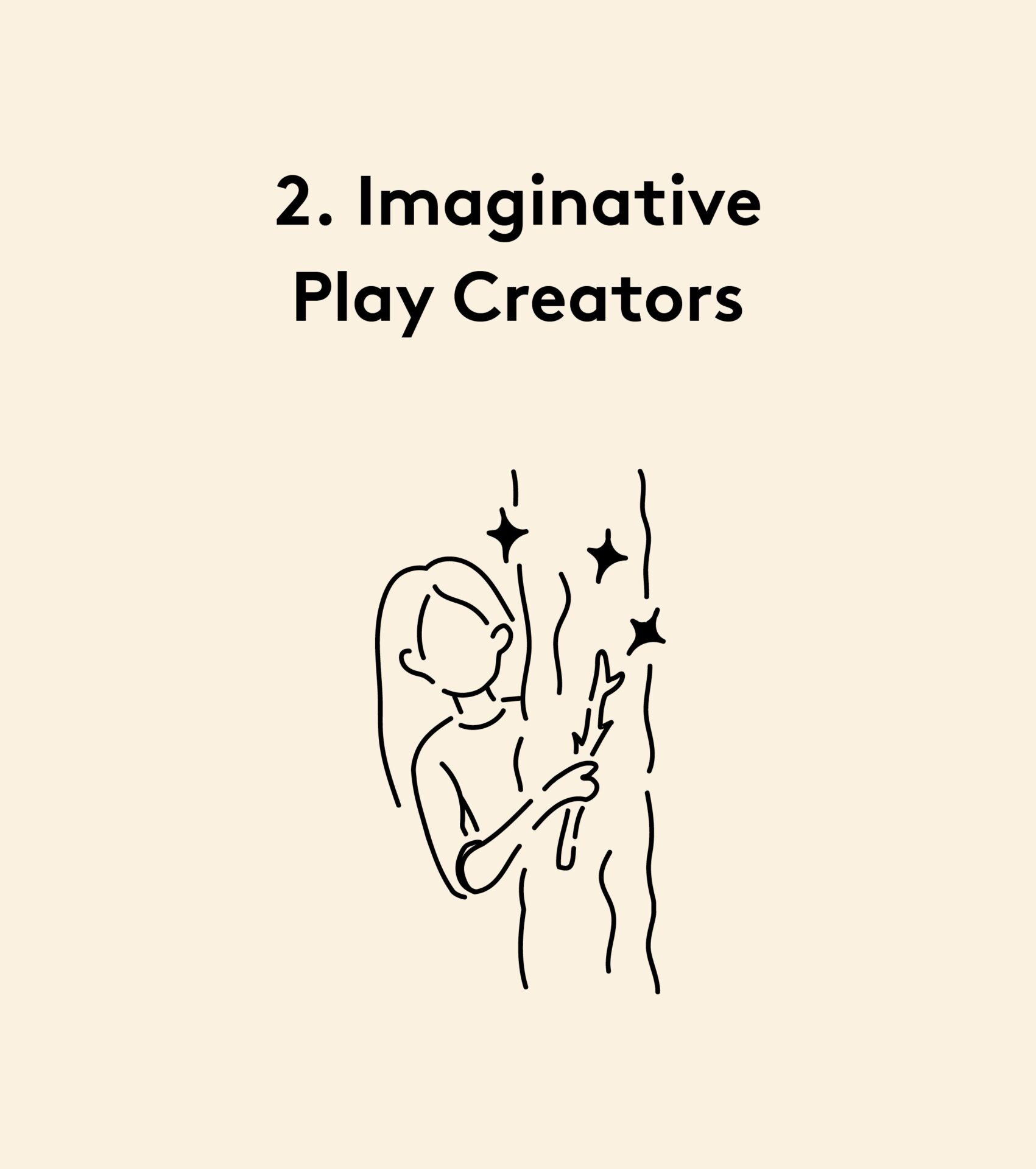
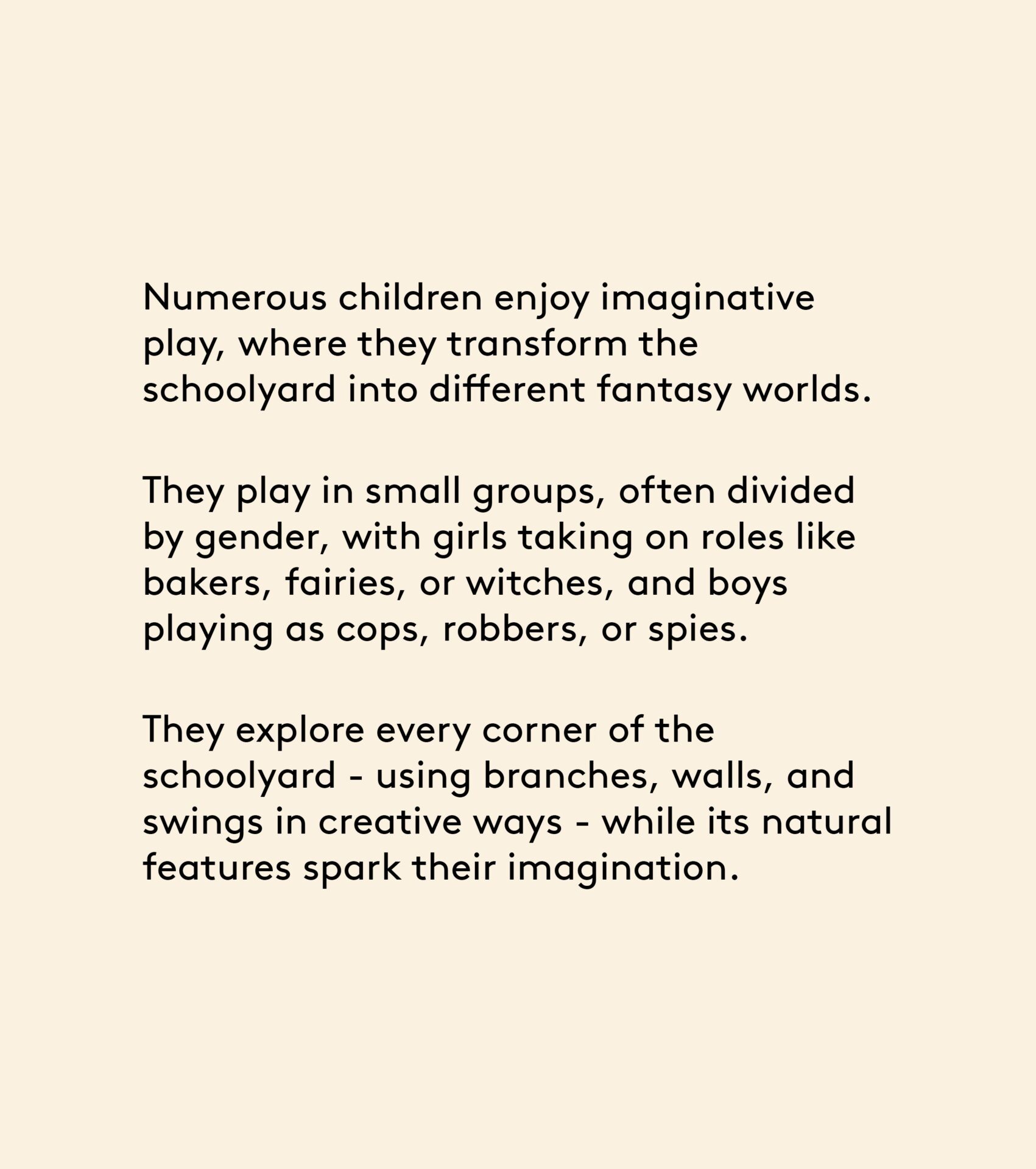
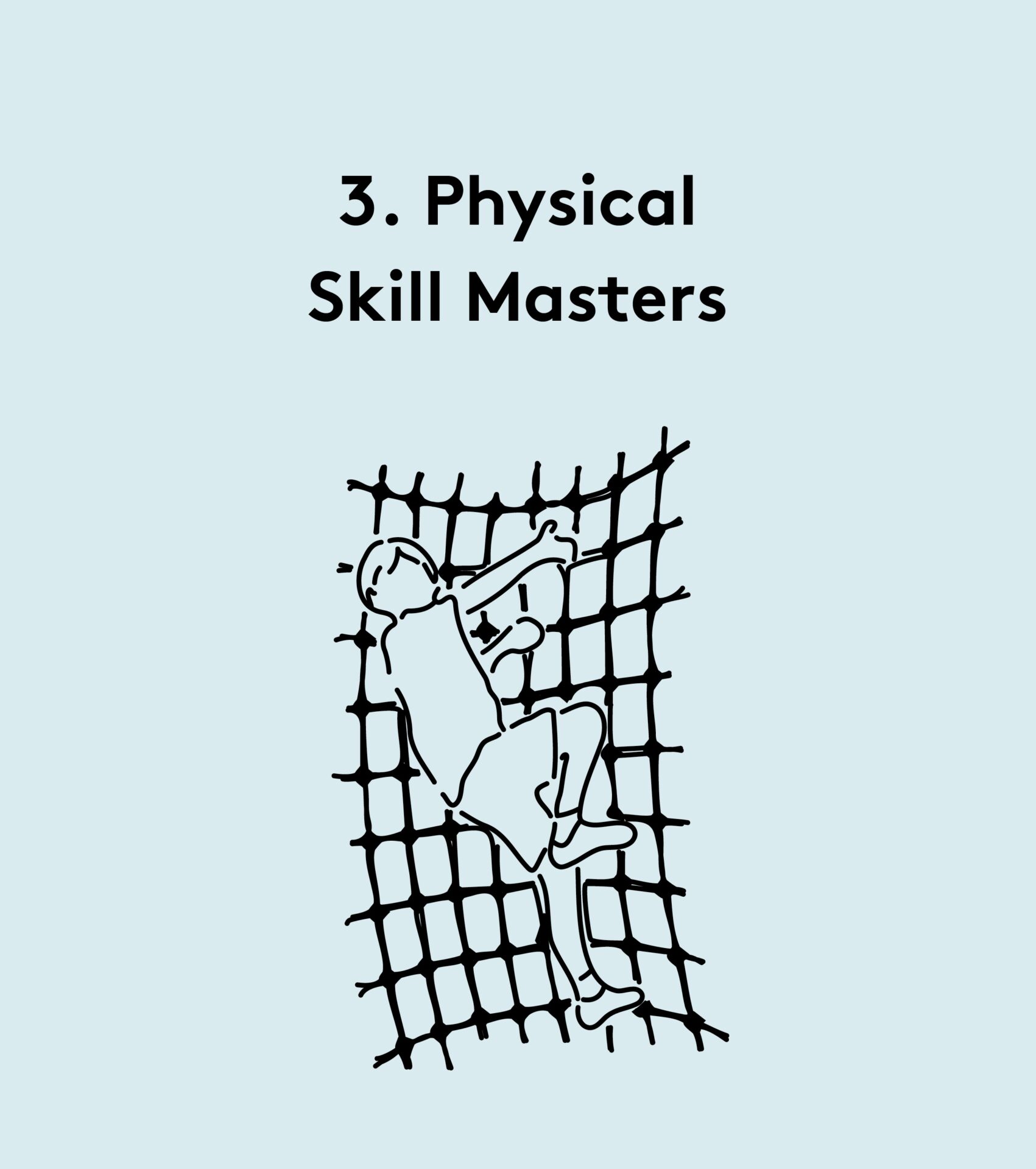
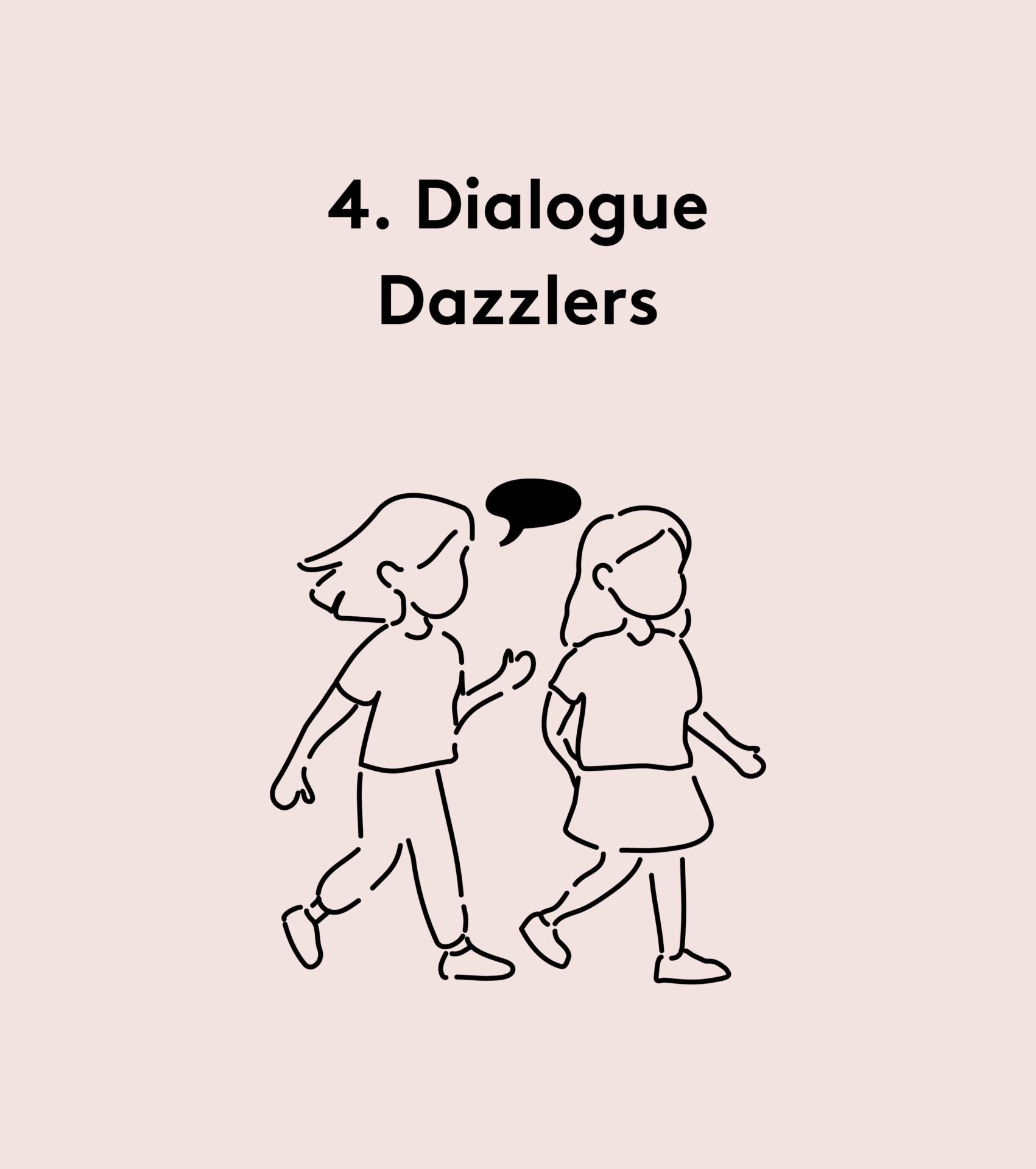
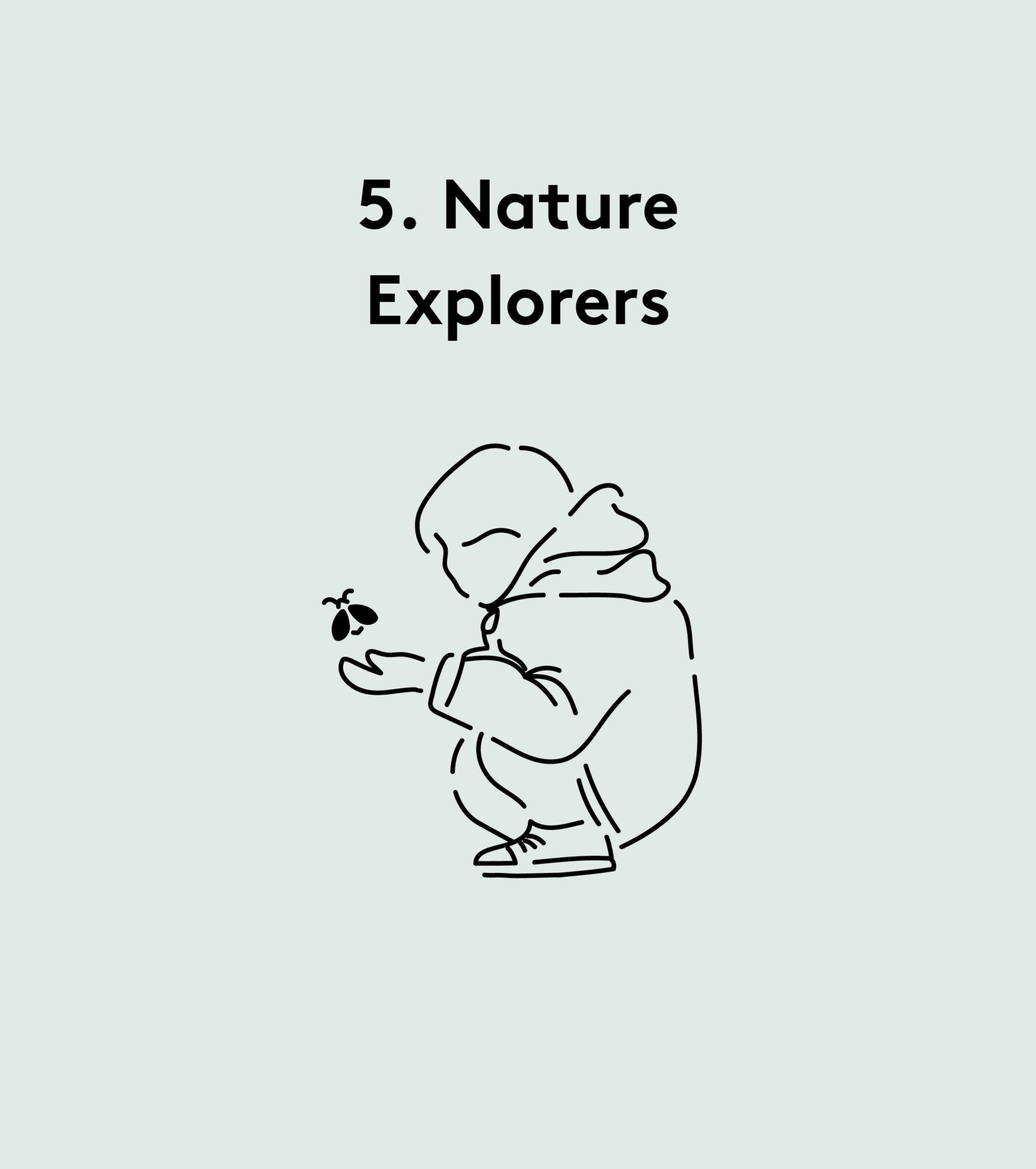
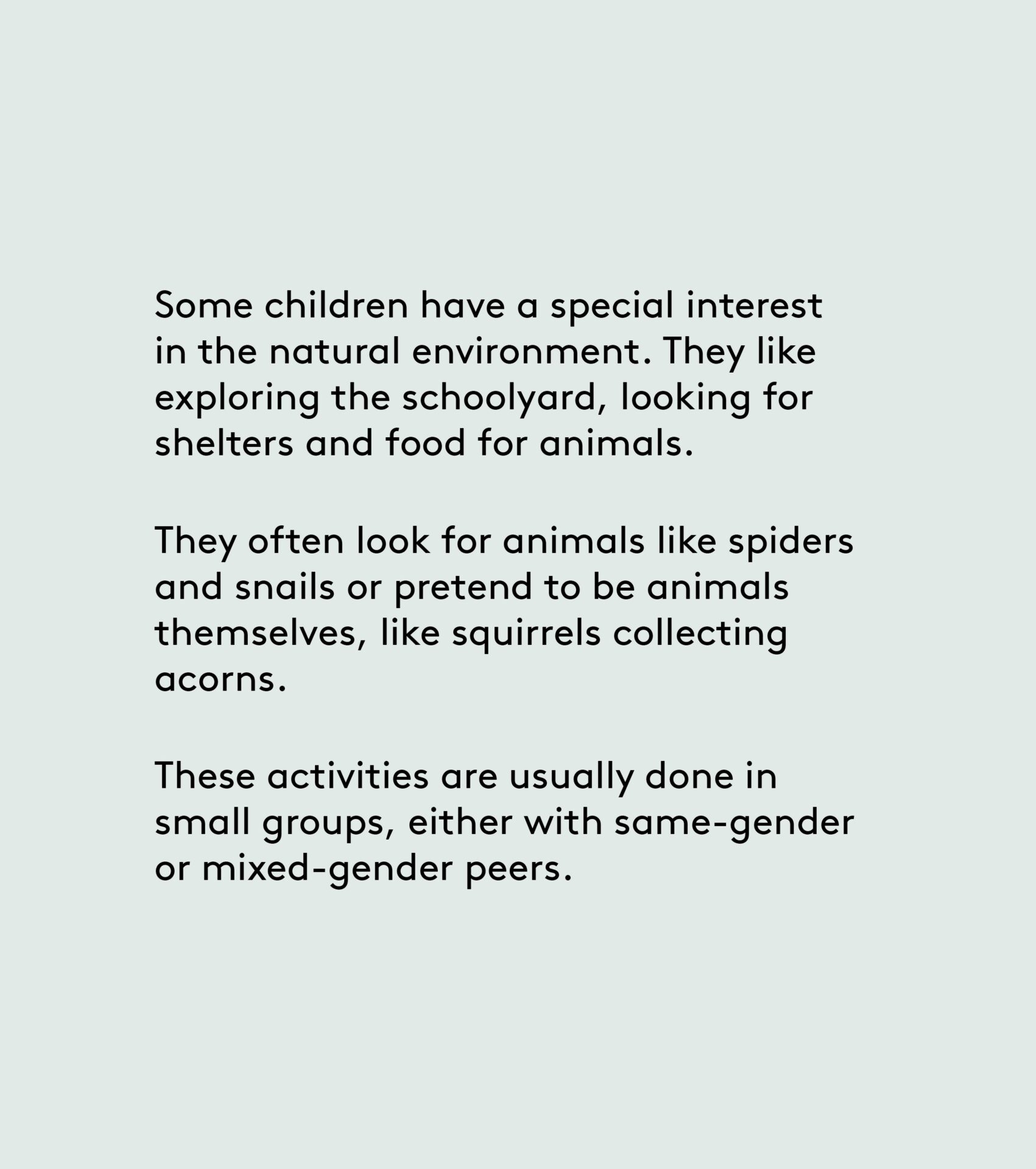
The guide demonstrates how schoolyard design can support all five play types simultaneously through different facilities, making outdoor spaces more inclusive and active for all children.
Download the design guide
The guide is available free of charge and can be used as inspiration for both new schoolyard projects and renovation processes.
Please note: The guide is published in Danish. International readers can use online translation tools to access the content in their preferred language.
View the design guide [external site]
Aktive skolegårde for alle børn – en designguide
About the authors
The guide was developed by researchers Charlotte Pawlowski and Jasper Schipperijn, with visual design and layout by Sasha Dilling, all from the World Playground Research Institute at the University of Southern Denmark.