Abstract
Background
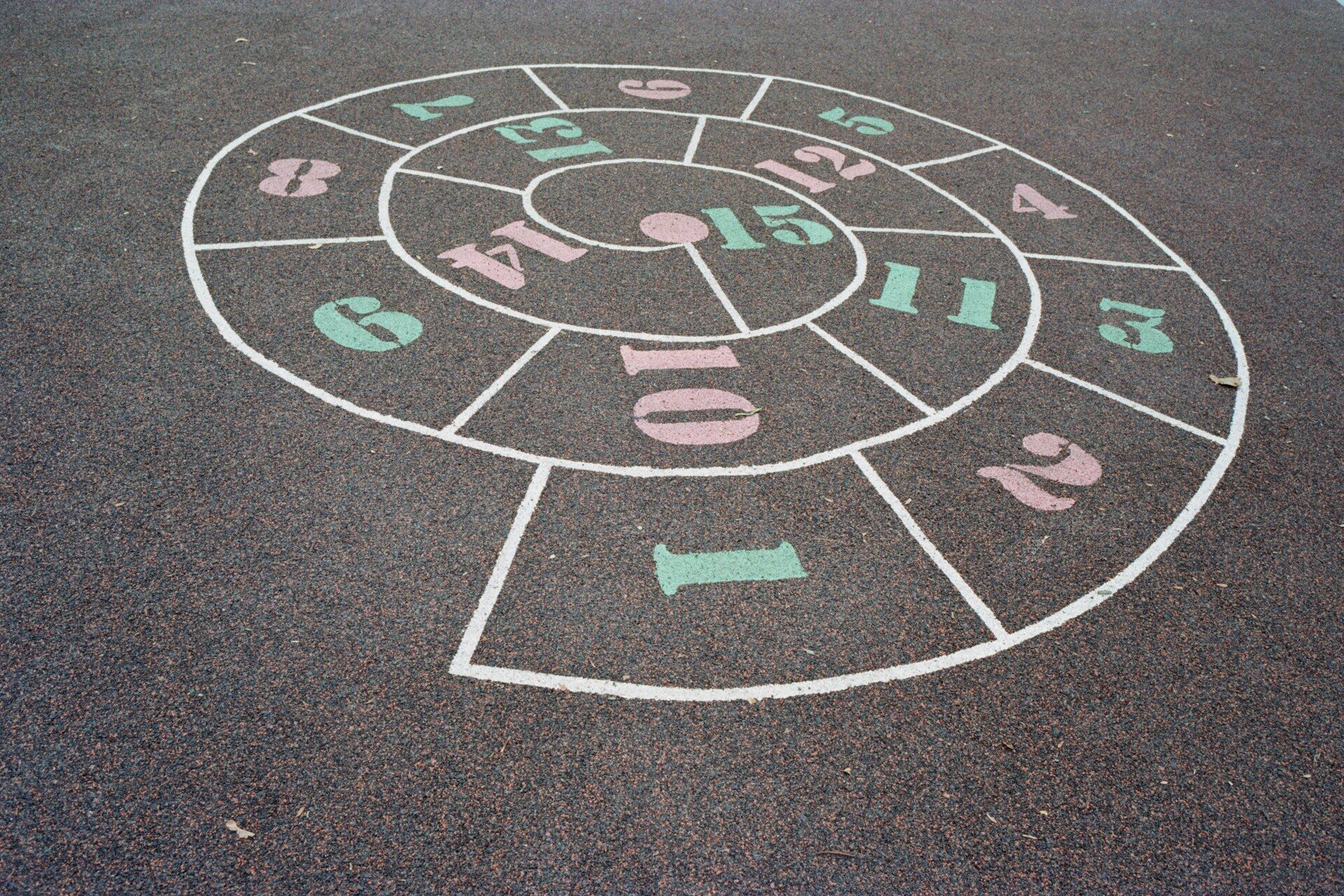
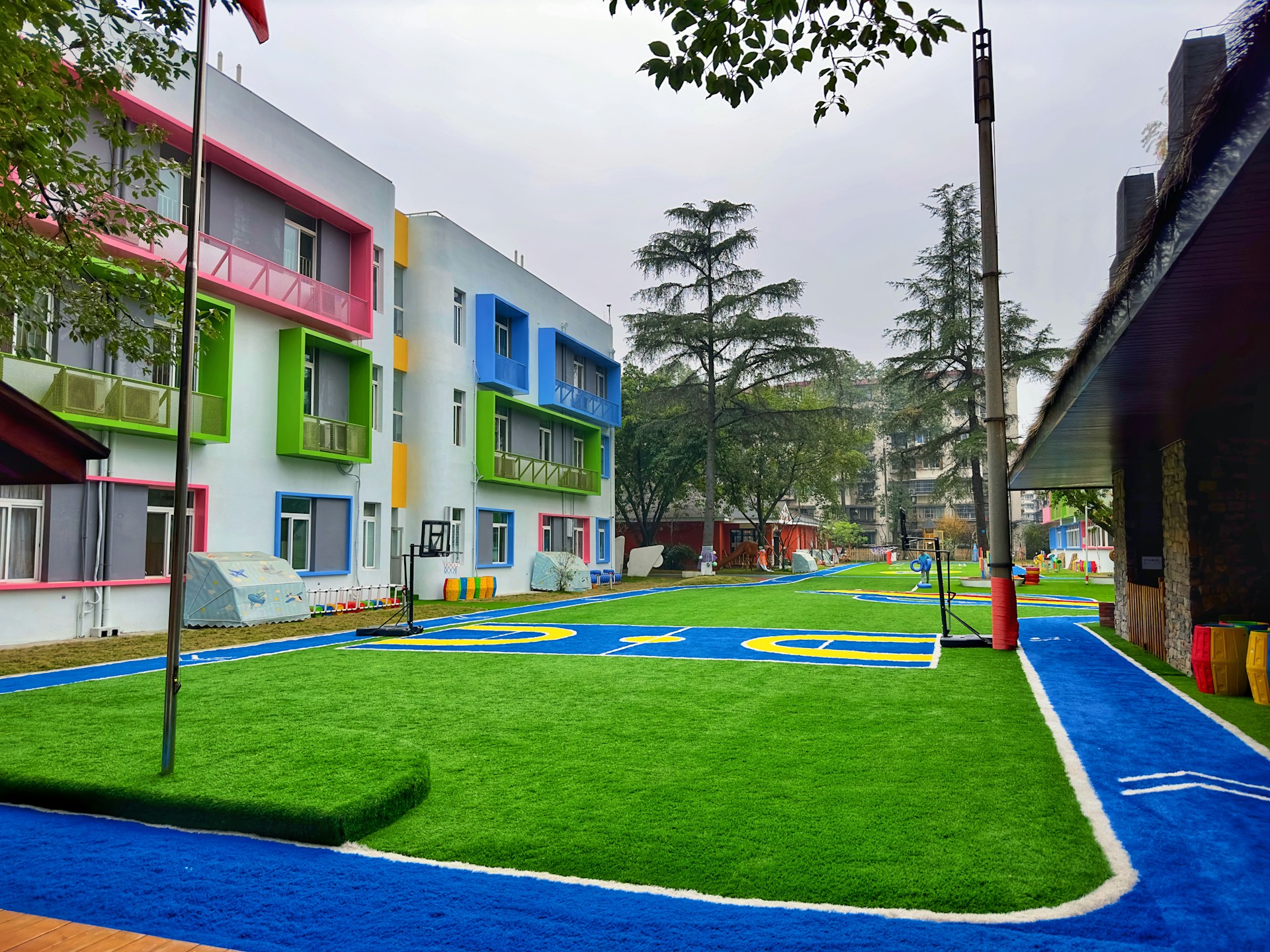
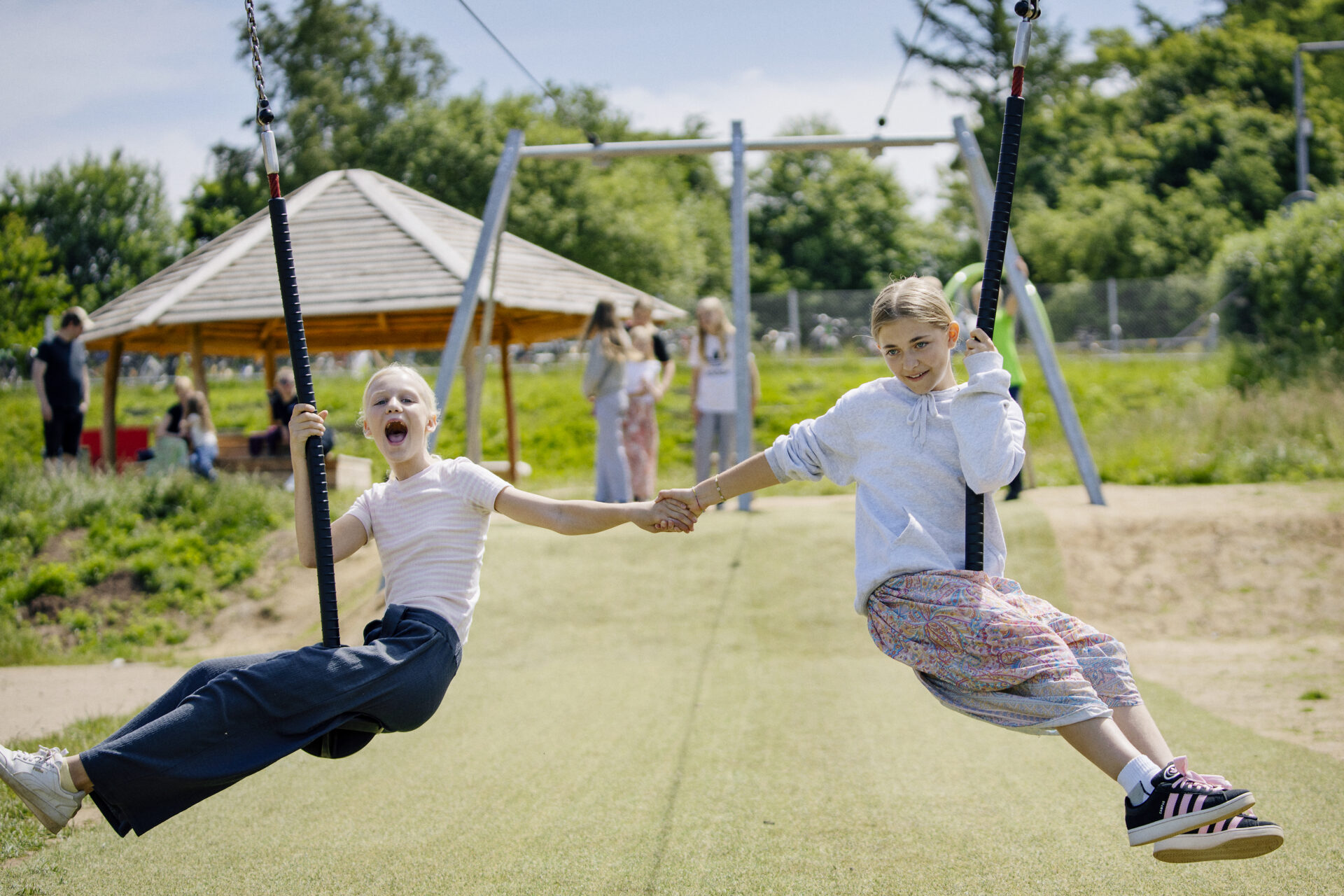
Growing mental well-being concerns in children and adolescents, combined with the underexplored potential of schoolyards to positively impact well-being, highlight the need for further knowledge in this area. The objective of this scoping review was to provide an overview of existing research on the impact of schoolyard modifications on social, emotional, and cognitive well-being of children and adolescents.
Methods
Following the PRISMA-ScR guidelines, the inclusion criteria comprised children and adolescents in primary or secondary education and interventions involving modifications to the physical schoolyard environment (i.e. play structures, markings, and greening). Quantitative before/after evaluations of interventions were eligible. Five databases (Embase, Web of Science, SPORTDiscus, PsycINFO, and ERIC) were searched in July 2024. Quality of the included studies was assessed using an adapted version of the Effective Public Health Practice Project (EPHPP) Quality Assessment Tool.
Results
Fourteen papers, evaluating 13 studies, were included, of which five were rated ‘strong’ in quality, three were rated ‘moderate,’ and five were rated ‘weak’. Thirty-one outcomes using 18 different measurement tools were identified, which highlights the complexity of the well-being construct. Most studies yielded non-significant or conflicting findings. However, findings cautiously indicated that a greater variety of play structures, spending time in green areas, and play structures combined with educational components tended to improve social, emotional, and cognitive well-being. These features should be prioritised when modifying schoolyards.
Conclusion
The evidence base remains limited and fragmented, which highlights the need for further research based on robust study designs and sample sizes sufficient to detect differences.
Journal: Mental Health and Prevention
Year: 2025