Introduction
Children – and anyone who enjoys play – will find ways to play wherever they have time, space, and room to explore. But traditionally, city councils have only focused on play in formal spaces such as sport and recreation facilities, parks, and playgrounds.
Research shows that children can’t get all their play needs met in these spaces alone. That’s why it’s important to support play in many different places across cities – and support city councils to make it happen.
This brief introduces the design approach POpTED (Play Opportunities Through Environmental Design) which aims to support this work. Developed by Damien Puddle (2023), POpTED is designed to be incorporated into city planning and construction documents to guide planners, engineers, developers, landscape architects, and placemakers in making informed decisions about play as part of everyday infrastructure projects – even in spaces where play has not traditionally been considered.
Key results
Much like the multi-disciplinary approach CPTED (Crime Prevention Through Environmental Design), POpTED is a principles-based approach that allows it to be used at the very beginning of a project, during project delivery, and for measuring how well play has been added into unique city features.
POpTED has five principles:
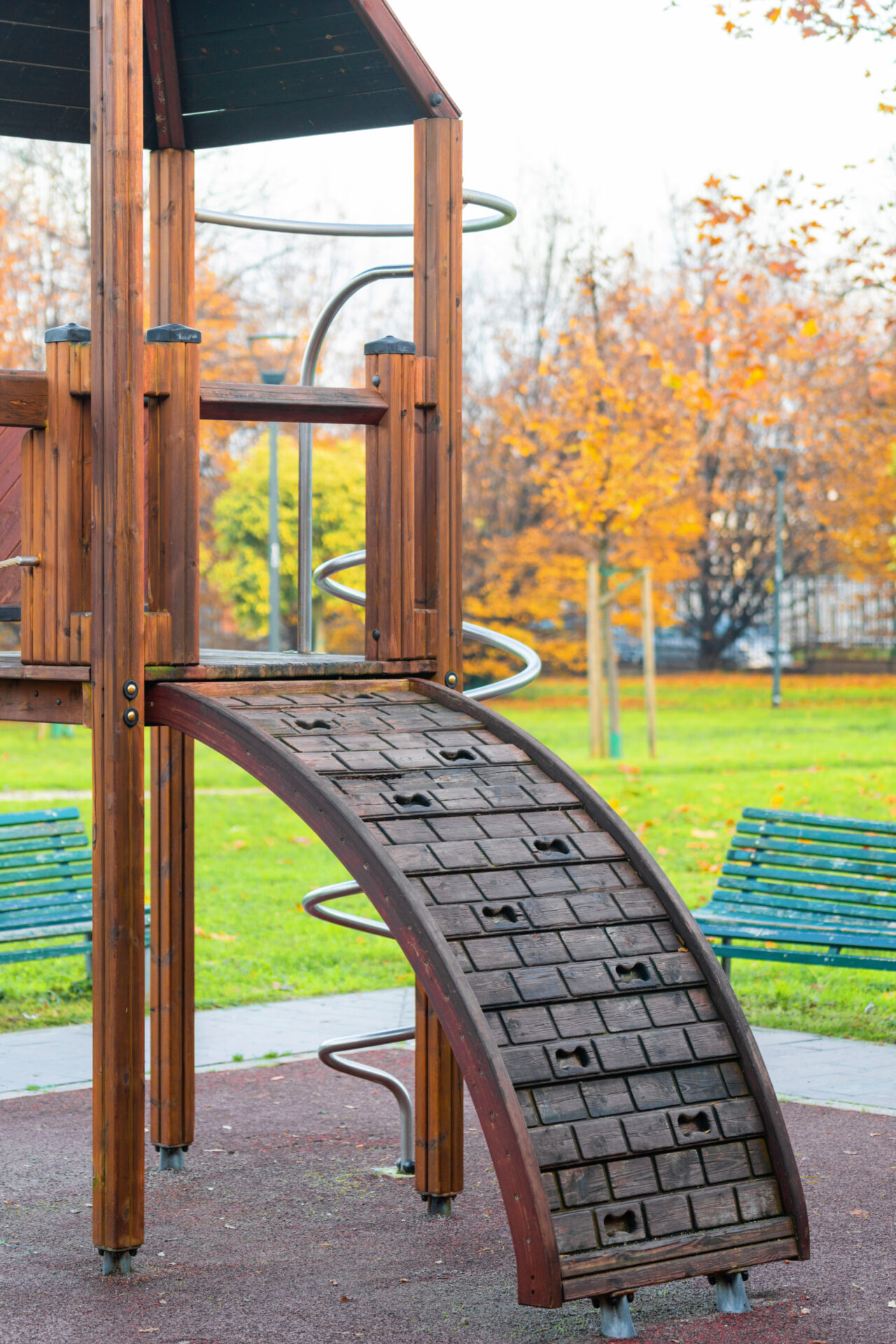
Features and areas are adaptable and responsive to changing needs and encourage informal play through multi-functional design.
This concept is about making play a function of all of the everyday things we build in our cities – from suburbs to individual pieces of street furniture. This is the main idea, while the other principles focus on encouraging participation through thoughtful design of those multi-functional features.
Play is encouraged through intentional design choices and wayfinding that invite exploration, either directly or indirectly.
This principle is to make play feel clearly allowed, so social norms don’t hold people back.
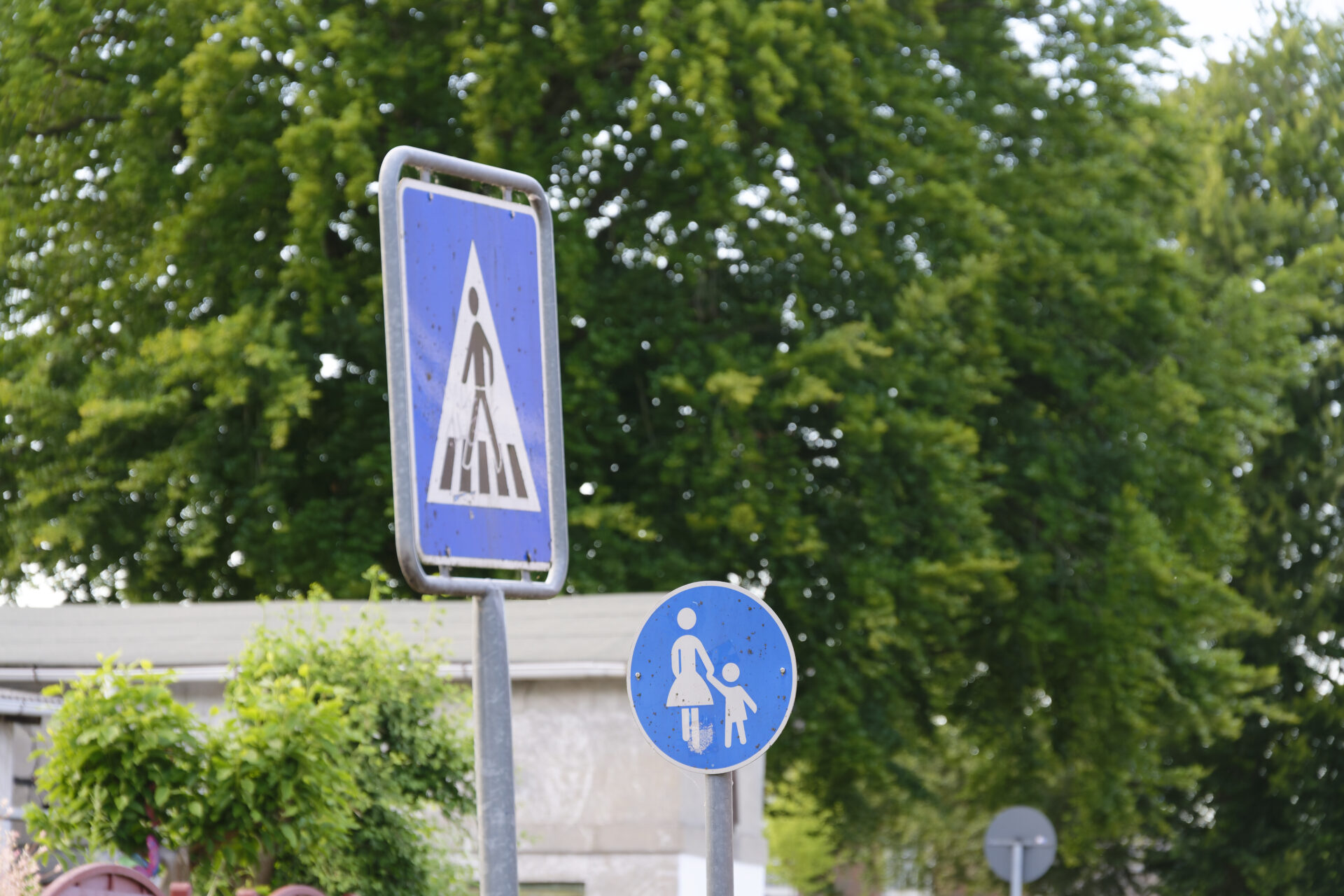
Design choices increase the overall network of accessible, playable spaces and encourage playful active travel.
This principle focuses on making journeys between destinations fun, not just accessible.
Play opportunities are relevant to their surroundings and seamlessly integrated across settings.
This principle ensures that play opportunities are relevant to their location and look and feel like it belongs.
The play needs of as many users as appropriate are considered, and social inclusion between groups is promoted.
This principle is about making sure specific users, and their needs, have been thought about.

Recommendations
Play is essentiel for children, yet they often don’t have a voice in the work of city councils. To create cities that support their futures, play must be embedded into city council processes from start to finish.
Many inspiring examples of play-friendly, multipurpose designs already exist around the world. Unfortunately, these
approaches are not yet standard practice in city design and construction, as play is still too often limited to traditional, destination-based spaces.
A growing number of available resources show how to make cities more playable and child-friendly. However, few
have a direct impact on planning in a way that embeds play across all layers and professions involved in city council projects. This is further complicated by the fact that city council departments often work in silos, and collaborating with landscape architects, suppliers, and contractors adds additional complexity.
POpTED therefore aims to:
- Take successful multi-purpose, playable design concepts into a practical model that can be used by all cities.
- Bridge gaps between city council and other stakeholder departments, spanning project stages and professional boundaries.
At the time of this publication, POpTED is still a new concept being explored by a few councils and stakeholders. To make sure it works for all city councils, interested people are invited to test and help refine it, so it is fit for purpose.
To learn more about POpTED and how to apply the model, go to:
https://www.damienpuddle.com/popted
This brief is based on
Puddle, D. (2023). Play opportunities through environmental design: a strategy for well-being. Journal of Outdoor and Environmental Education. 26, 383–402. https://doi.org/10.1007/s42322-023-00138-0