
Briefs
Designing schoolyards for tweens – WHERE, WHAT, and WHY
Designing schoolyards for tweens – WHERE, WHAT, and WHY
Research shows that school playgrounds are important for children’s health and development. However, tweens (children aged 9–12) have been an overlooked group in playground research.
To investigate how to build attractive playgrounds for tweens, a study by Amholt and colleagues (2024) investigated WHERE tweens are most active in playgrounds, WHAT they do when they use them, and WHY they prefer certain play equipment or play types.
The authors investigated four school playgrounds and used device-based measures of physical activity and location, structured observation, and group interviews to understand tweens’ playground behavior.
A total of 474 tweens wore so-called ‘activity trackers’, 991 tweens were counted in the observations, and 56 participated in interviews.
This brief summarizes key insights from the study and provides valuable considerations in motivating tweens to use school playgrounds.
It is relevant not only for playground designers but also for school leaders and teachers.


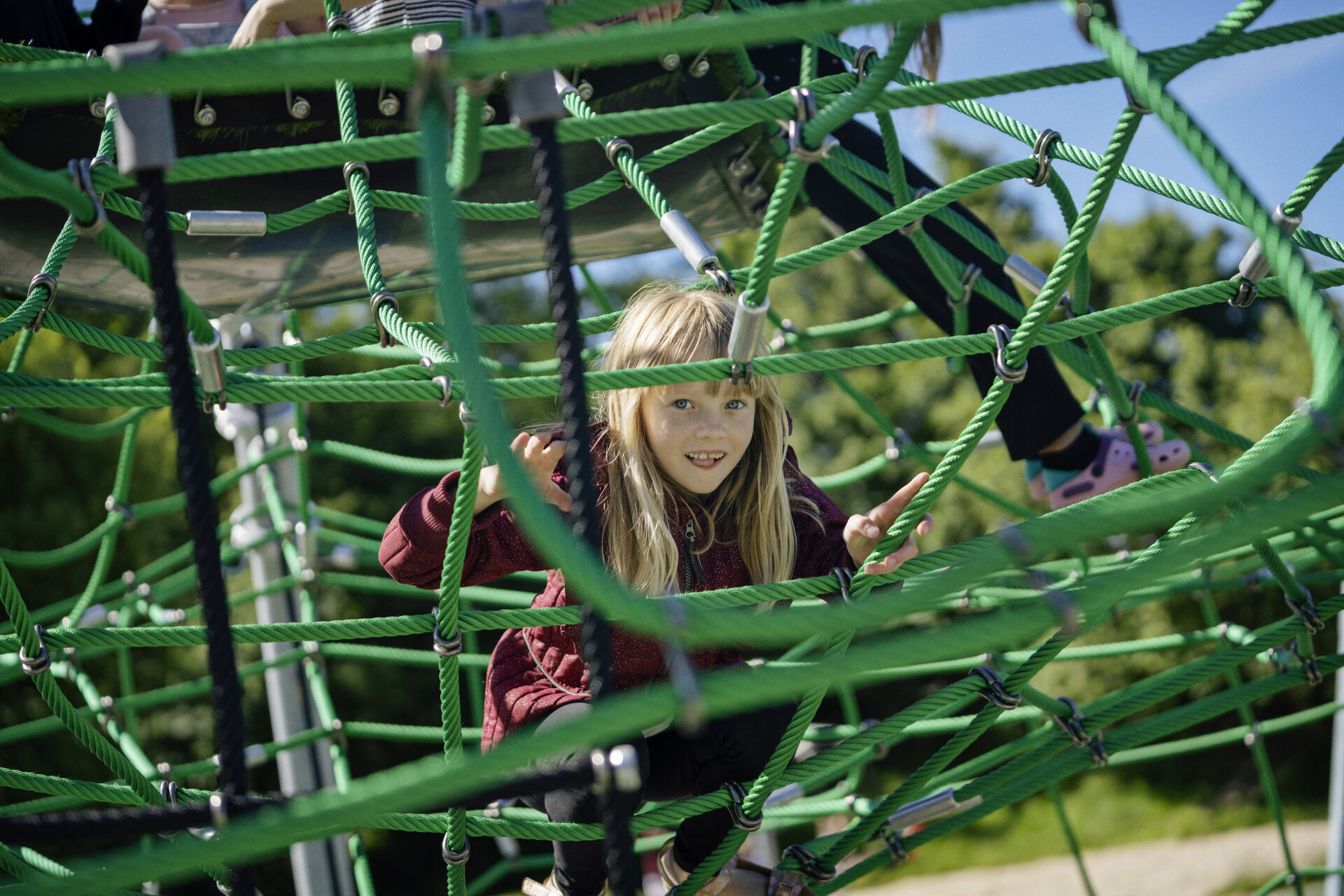
The impact of public playgrounds on children’s health
The impact of public playgrounds on children’s health
Active outdoor play is crucial for children’s health and development, and playgrounds in public open spaces, such as parks or community areas, provide an ideal space for it.
However, the importance of these playgrounds’ use for health and well-being is still unclear.
As part of the World Playground Research Institute’s comprehensive scoping review conducted in 2024*, 55 studies related to playgrounds in public open spaces were extracted from all published research on playground use and its health benefits for children.
The aim was to create a clearer and more detailed overview of public playgrounds’ impact on children’s well-being.
In this brief, we summarize key insights from the scoping review, aiming to guide health authorities, city planners, and policymakers in making informed decisions about investments and designs in the area of public open spaces.
It also supports researchers in identifying areas for future research needs.
_

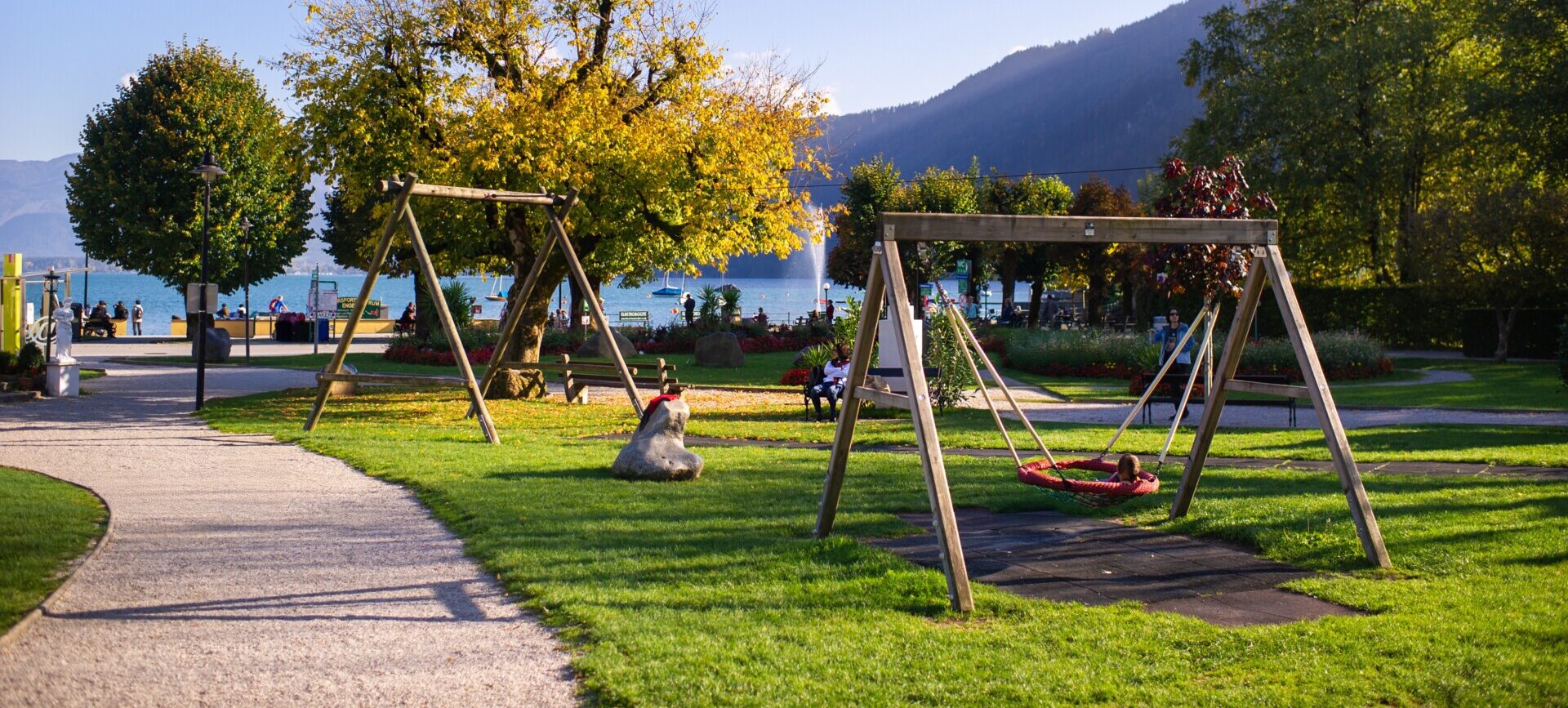
The impact of childcare playgrounds on children’s health
The impact of childcare playgrounds on children’s health
Active outdoor play is crucial for children’s health and development, and playgrounds in Early Childhood Education and Care (ECEC)* centers provide an ideal space for it.
However, the importance of these playgrounds’ use for health and well-being is still unclear.
As part of the World Playground Research Institute’s comprehensive scoping review conducted in 2024*, 62 studies related to ECEC playgrounds were extracted from all published research on playground use and its health benefits for children.
The aim was to create a more clearer and more detailed overview of ECEC playgrounds’ impact on children’s well-being.
In this brief, we summarize important insights from the scoping review, aiming to guide ECEC leaders, daycare staff, policymakers, and practitioners, like landscape architects, in making informed decisions about investments and designs in the area of ECEC outdoor spaces.
It also supports researchers in identifying areas for future research needs.
_
* ECEC includes centre-provided and ‘family day care’, privately- and publicly-funded, pre-school and pre-primary provision.
* Schipperijn, J., Madsen, C. D., Toftager, M., Nørager Johansen, D. L., Lousen, I., Amholt, T. T., & Pawlowski, C. (2024). The role of playgrounds in promoting children’s health – a scoping review. International Journal of Behavioral Nutrition and Physical Activity, 21, Article 72. https://doi.org/10.1186/s12966-024-01618-2


The role of digital design in outdoor play experiences
The role of digital design in outdoor play experiences
Outdoor play is vital for children’s physical, mental, and social well-being.
However, urbanization and the growing use of digital devices have significantly reduced opportunities for outdoor activities in recent years.
To combat this issue, researcher Avin Khalilollahi has dedicated her PhD work to exploring how technology—such as interactive playgrounds and location-based games—can inspire outdoor play by combining digital experiences with physical activity.
This brief summarizes key findings from three of Khalilollahi’s articles, providing actionable insights for city planners, playground designers, policymakers, and researchers in human-computer interaction.
More specifically, it illustrates how digital tools can support outdoor play among children aged 4 to 12.
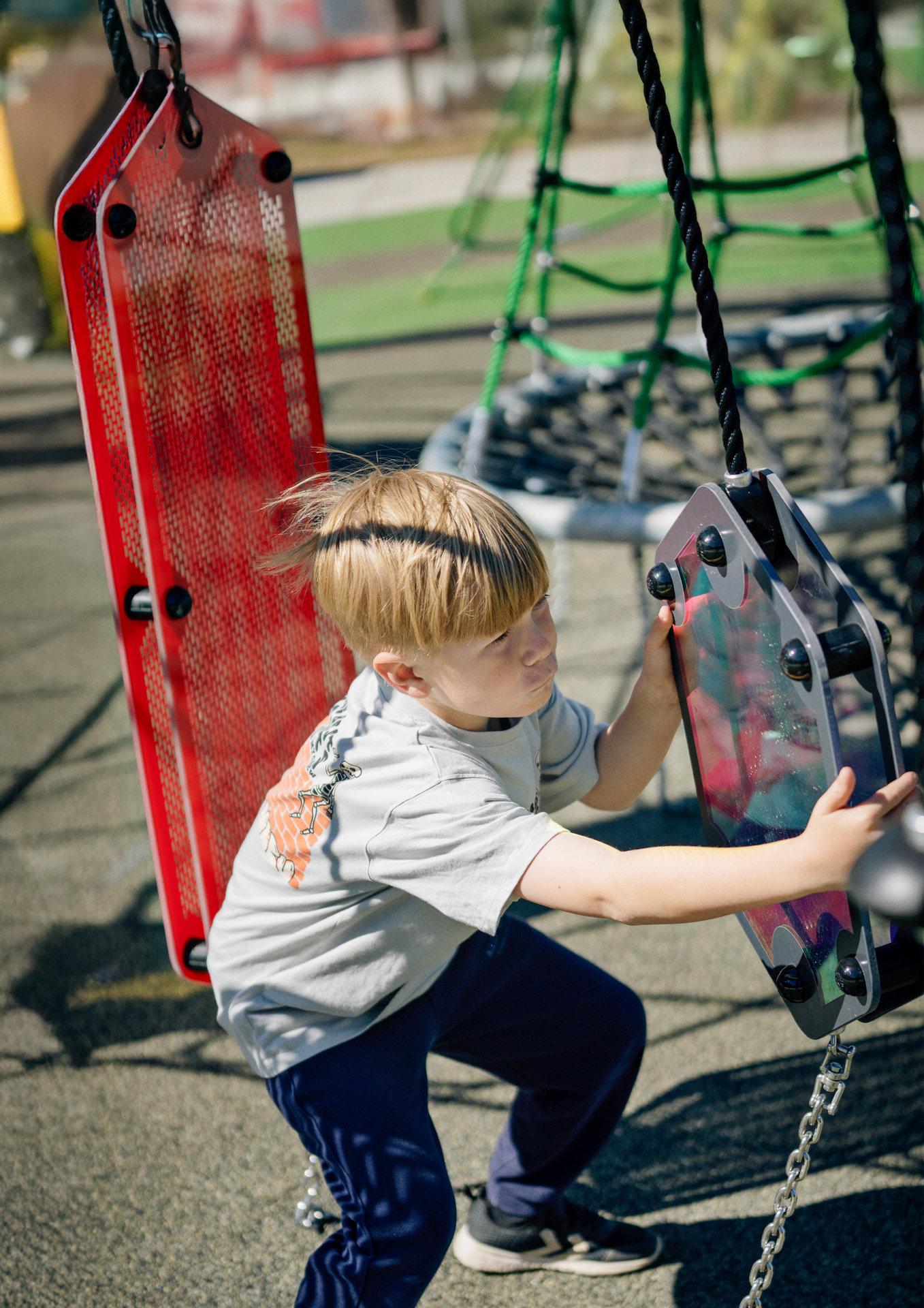
Designing schoolyards for different play types
Designing schoolyards for different play types
To make schoolyards supportive for outdoor play and physical activity, it’s essential to understand how children play in these spaces. This includes understanding how play practices and schoolyard environments interact, and what schoolyard facilities are essential to different types of play.
In this study, researchers from the World Playground Research Institute explored play in the schoolyard by examining how children aged 6-9 interacted with their environment during recess.
Observations were made over 710 minutes of break time at five Danish schools, and 12 group interviews with 57 students in first to third grade provided further insights. These insights are important to understanding children’s perspectives and giving them a voice.
In total, five different play types were identified, offering valuable guidance for practitioners aiming to design schoolyards that support diverse types of play behavior.