Your search returned 121 results
The role of playgrounds in promoting children’s health – a scoping review
The role of playgrounds in the development of children’s fundamental movement skills: A scoping review
Exploring Early Childhood Educators’ Perceptions of Children’s Learning and Development on Naturalized Playgrounds

Nature-Based or Traditional Kindergarten to Develop Fundamental Motor Skills? A Pilot Study
Exploring if Playground Quality Predicts Head Start Preschoolers’ School Day Physical Activity

An infant-toddler outdoor risky play practices in an early childhood centre in Australia
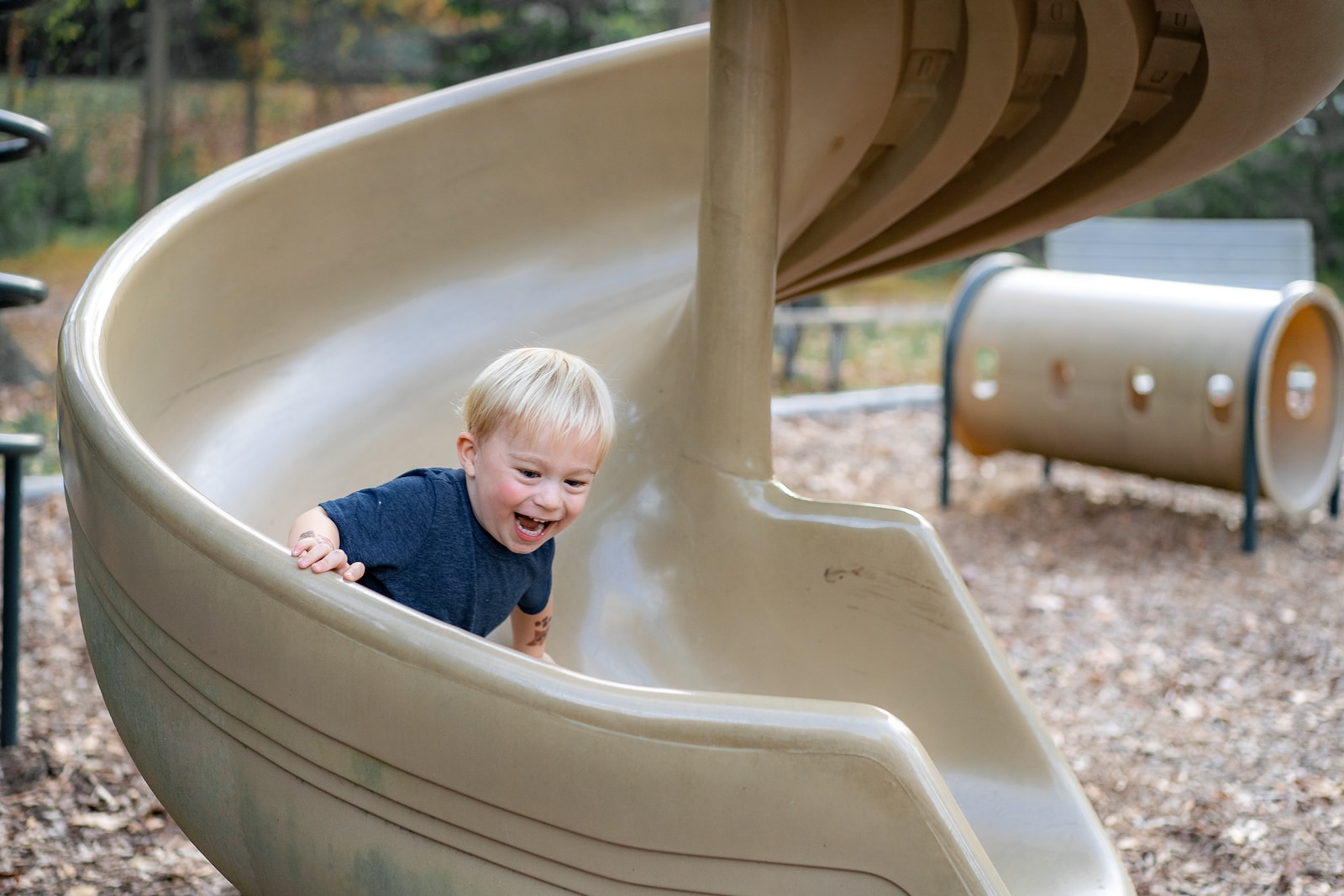
“It Is Scary, but Then I Just Do It Anyway”: Children’s Experiences and Concerns about Risk and Challenge during Loose Parts Play
Looking beneath the surface: associations between varied outdoor surfaces and children’s diverse play behaviours in early childhood education and care institutions

Running the risk: The social, behavioral and environmental associations with positive risk in children’s play activities in outdoor playspaces
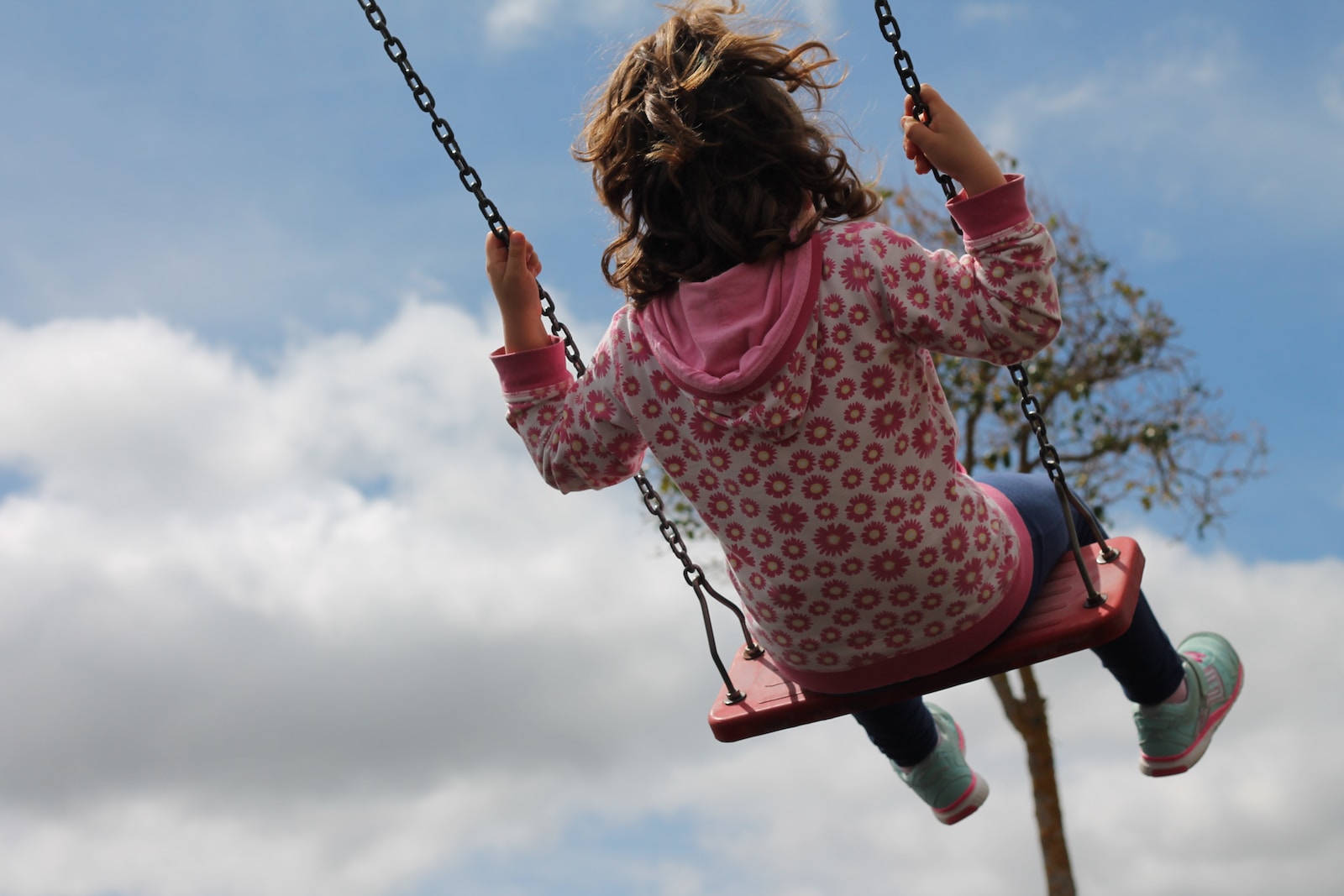
Correlates of Toddlers’ Physical Activity Levels and Sedentary Behavior During Unstructured Outdoor Play in Early Childhood Education and Daycare Settings

Do children play differently in nature play compared to manufactured play spaces? A quantitative descriptive study.

A Pilot Randomized Trial Evaluating the Cool 2 Be Safe Junior Playground Safety Program for Preschool Children

Adapting a Preschool Physical Activity Intervention to Be Inclusive of Children on the Autism Spectrum


From children’s perspective: How can playgrounds contribute to play value and inclusion?
From children’s perspective: How can playgrounds contribute to play value and inclusion?
Research has shown that children’s playtime involves embracing fun challenges, mastering new skills, and enjoying the freedom to play anywhere, with anything, or with anyone. It also provides an excellent opportunity for socialization and interaction with friends.
All of these elements can be encapsulated in the concept of ‘play value’. Play value denotes the significance that children find in their playtime – it’s the depth and richness of their play experience in a specific setting.
Currently, there is limited knowledge about the specific environmental features that should be considered when designing playgrounds with high play value to meet the diverse play needs of all children.
In this brief, we showcase key findings from a meta-ethnographic study conducted in 2023, which investigated 17 studies on how children’s experiences of the environmental characteristics of outdoor playgrounds contribute to valuable insights into our comprehension of play value and inclusion from a child-centered viewpoint.
This brief is relevant for playground planners, designers, architects, as well as researchers, and professionals engaged in the planning and design of playgrounds.



How do parental attitudes toward risk and injury relate to children’s physical activity?
How do parental attitudes toward risk and injury relate to children’s physical activity?
Children can benefit from adventurous play.
It can build independence, resilience, and emotional regulation skills, as well as contribute to mental well-being. Furthermore, these activities are often vigorous and can substantially increase children’s moderate-to-vigorous levels of physical activity (MVPA).
In this brief, we highlight key results from an article published in 2024 that investigates the relationship between parent attitudes to risk and injury*, and their elementary school-aged child’s daily adventurous play and MVPA in Australia.
The study draws from a sample of 645 Australian parents or guardians who completed an online survey comprising validated measures investigating children’s physical activity, active play, and adventurous play, and their attitudes towards risk and injury.
For example, parents were asked about the average daily time their child spent engaged in active play, with provided examples illustrating various types of activities and settings, such as climbing high or jumping off elevated surfaces.
This brief aims to offer valuable information for practitioners and policy makers who are interested in designing interventions to enhance children’s opportunities for adventurous play and physical activity outdoors.
*Risk and injury are addressed in the article regarding risky play, which the authors define as ”thrilling and exciting forms of physical play that involve uncertainty and a risk of physical injury” (Sandseter, 2010).
Traditional or nature-based playgrounds for developing preschoolers’ fundamental movement skills?
Traditional or nature-based playgrounds for developing preschoolers’ fundamental movement skills?
As the allure of nature-based kindergartens grows, one important question arises: How do natural environments functioning as playgrounds impact the development of fundamental movement skills in children?
This brief provides insights from a pilot study conducted in a Danish kindergarten, led by Charlotte Skau Pawlowski and her team from the World Playground Research Institute.
This brief is particularly relevant for policy and decision makers involved in creating and maintaining playground environments for young children. It may also be of interest to researchers and professionals in the field of early childhood education and care, child development, and playground design.
Additionally, anyone interested in understanding the impact of different types of playgrounds on children’s fundamental movement skills could also find value in this text.


How do playgrounds influence the development of children’s fundamental movement skills?
How do playgrounds influence the development of children’s fundamental movement skills?
Fundamental movement skills are on the decline, but playgrounds can play a vital role in reversing this trend. This brief provides a summary of a scoping review authored by Charlotte Pawlowski and colleagues in 2023. The review encompasses findings from 14 research studies.
The brief outlines a set of design principles that can guide the creation of playgrounds aimed at fostering the development of fundamental movement skills in children.
This brief is particularly relevant for professionals involved in the development of playgrounds within early childhood education and care (ECEC) settings, including architects, planners, and those working with children in this context.

Relationship between child care centers’ compliance with physical activity regulations and children’s physical activity, New York city, 2010
