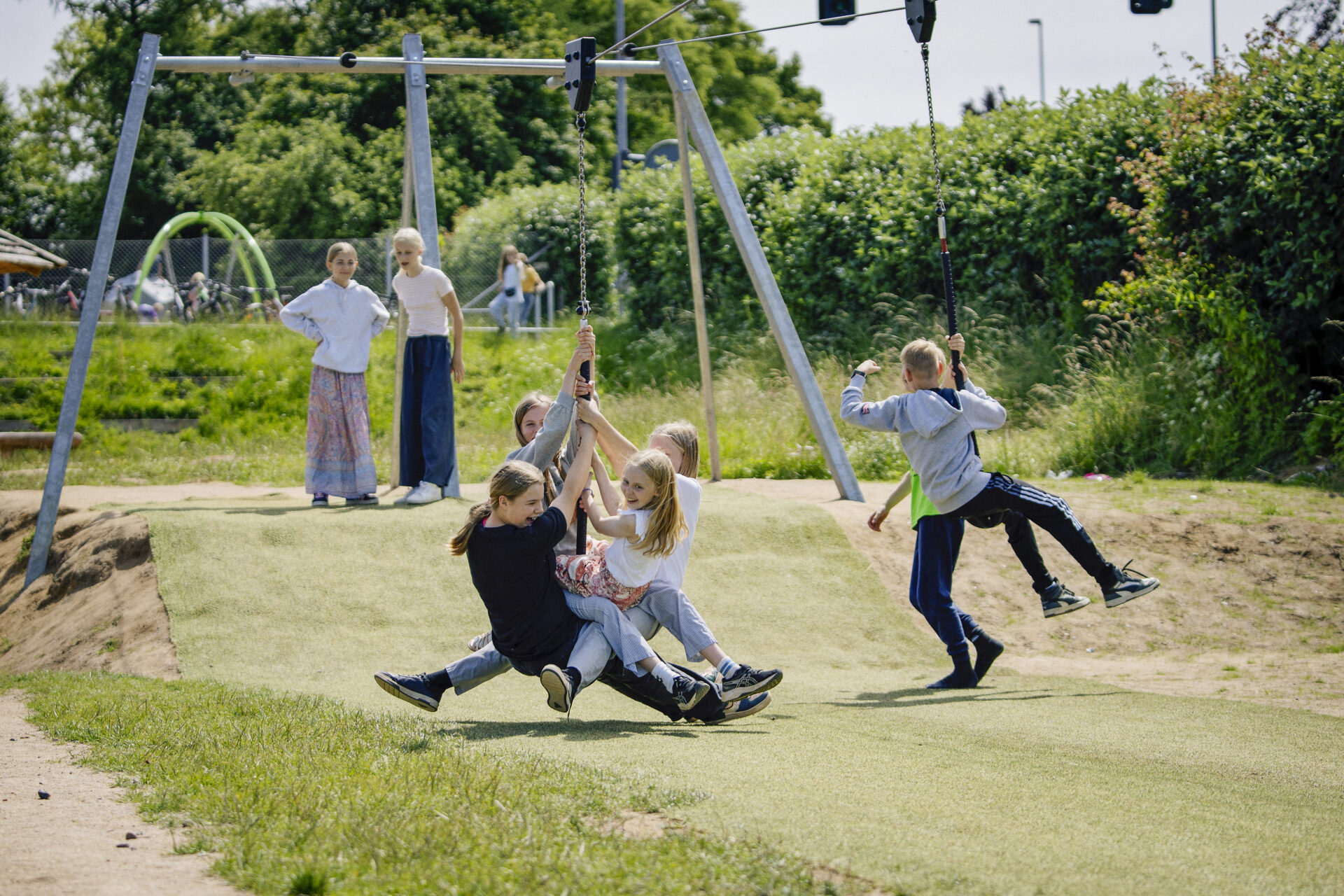
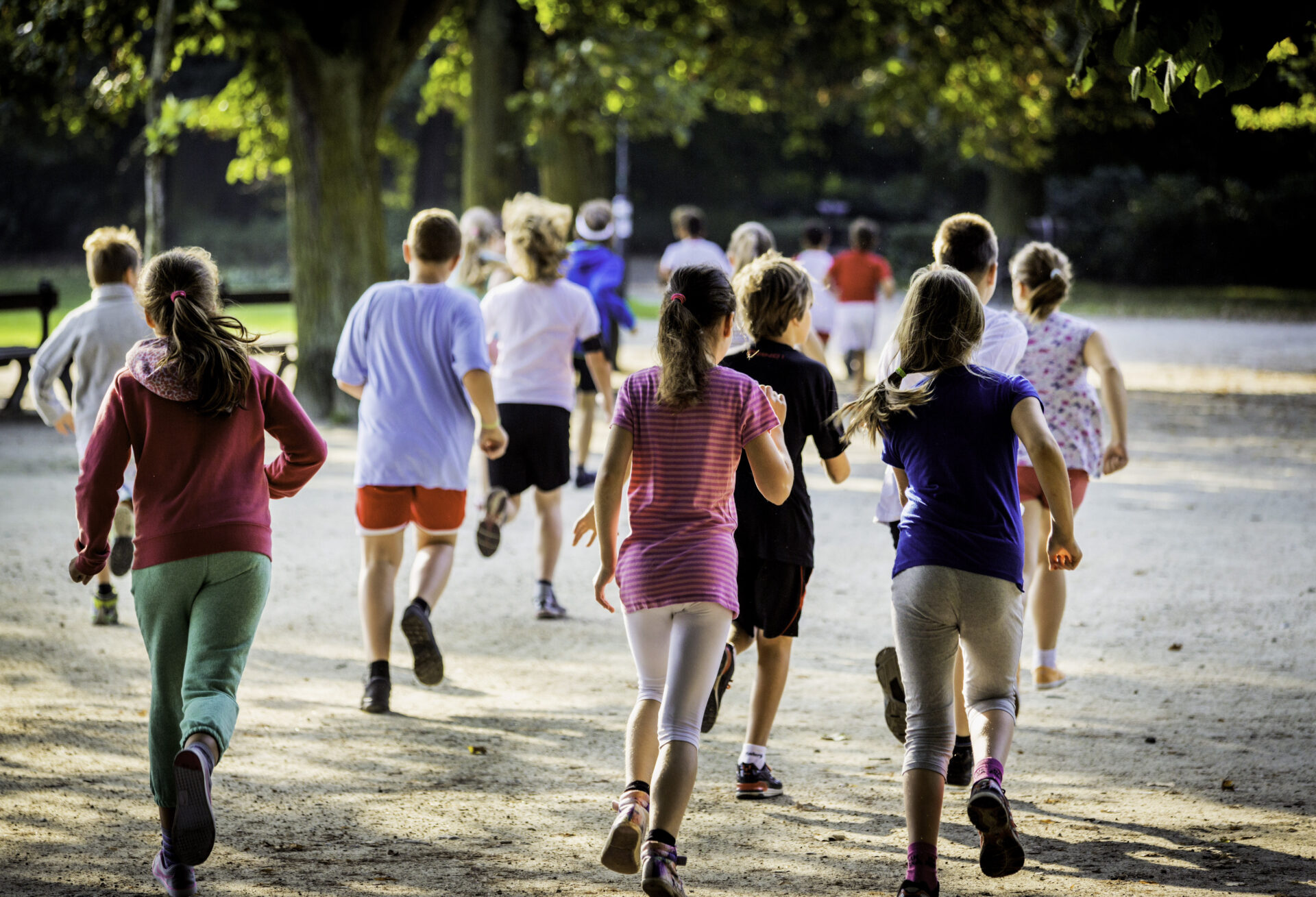
Play behavior typology in the schoolyard (6-9 years old)
Introduction and aim
Children are not a homogenous group, and they have different preferences for play. To create and build school playgrounds that can enhance active play for all children, it is essential to understand the cultural practices that influence and are influenced by play-related activities in the schoolyard.
Our study aimed to establish a play behavior typology based on the play of children aged 6 to 9 in the school playground.
Our study
This cross-sectional study took place in five Danish school playgrounds. We used a combination of playground observations and go-along focus group interviews with 6-9-year-old children to identify and describe a play typology of the different kinds of play behavior in the schoolyards.
Timeline
Results
We discovered various types of play behaviour characterized by distinct activities and use of facilities. This suggests that diverse intervention strategies may be required in the school playground to increase engagement in play among different groups of children.
The outcomes of the study led to the research article:
Drawing from the article, we have compiled the key results into a brief, making research findings accessible to everyone. You can find it here:
Funding
This study is funded by KOMPAN.
Research Team