Your search returned 248 results
Outdoor play and time spent by school-aged children using digital technology
Participatory Design for Community Schoolyards: Mixed Methods Reveal Positive Engagement Despite Measures Limitations
The role of fundamental movement skills on children’s physical activity during different segments of the school day
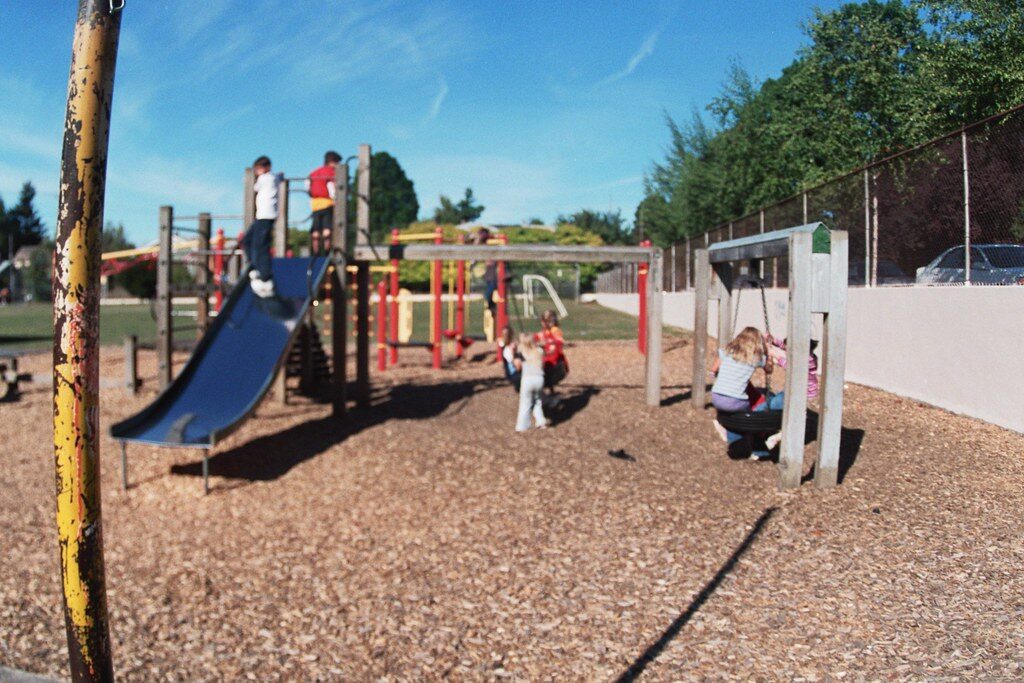
Biopsychosocial and Environmental Correlates of Children’s Motor Competence: An Exploratory Study
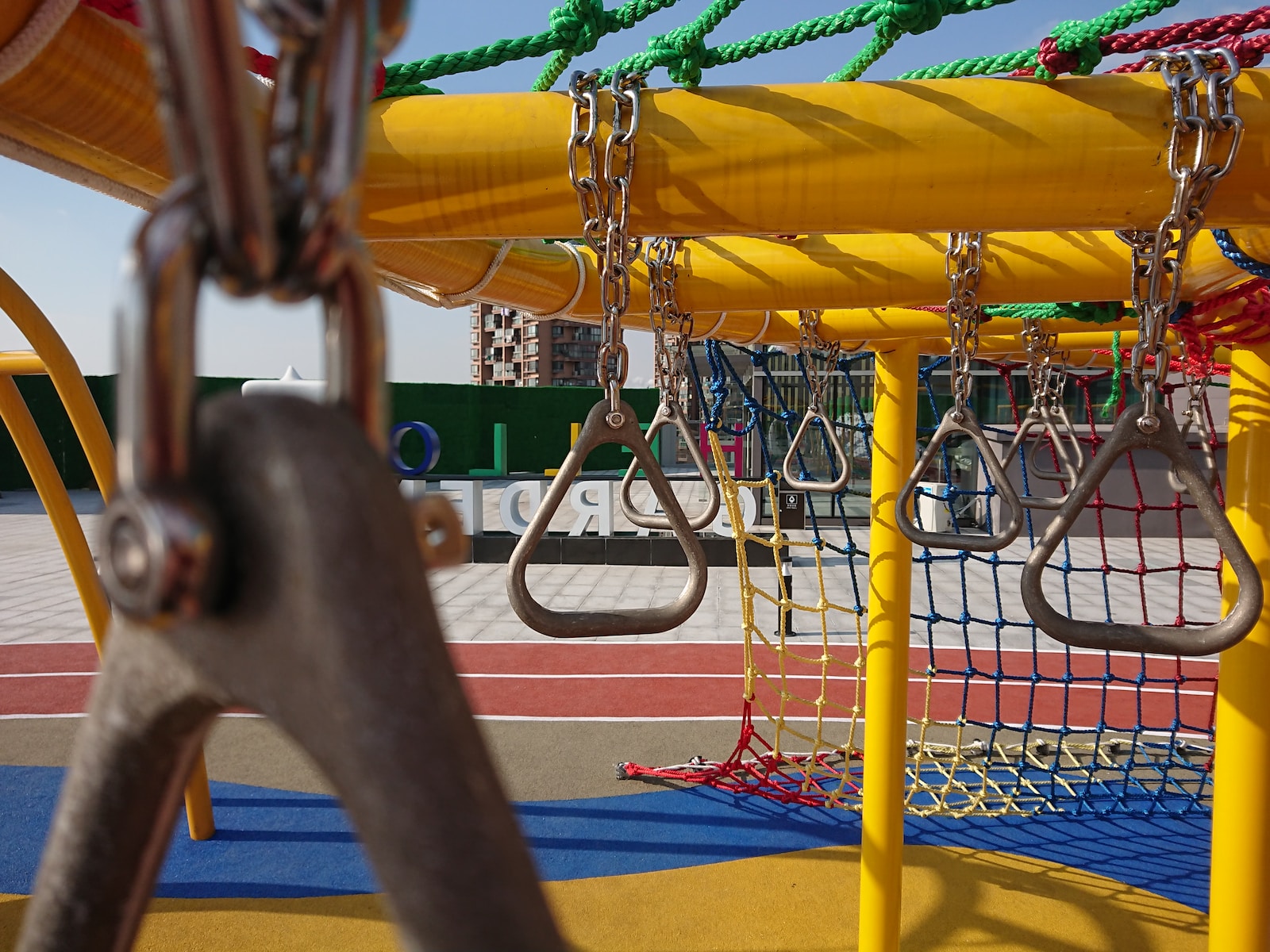
Effects of School-led Greenspace Interventions on Mental, Physical and Social Wellbeing in Children and Adolescents: A Systematic Review
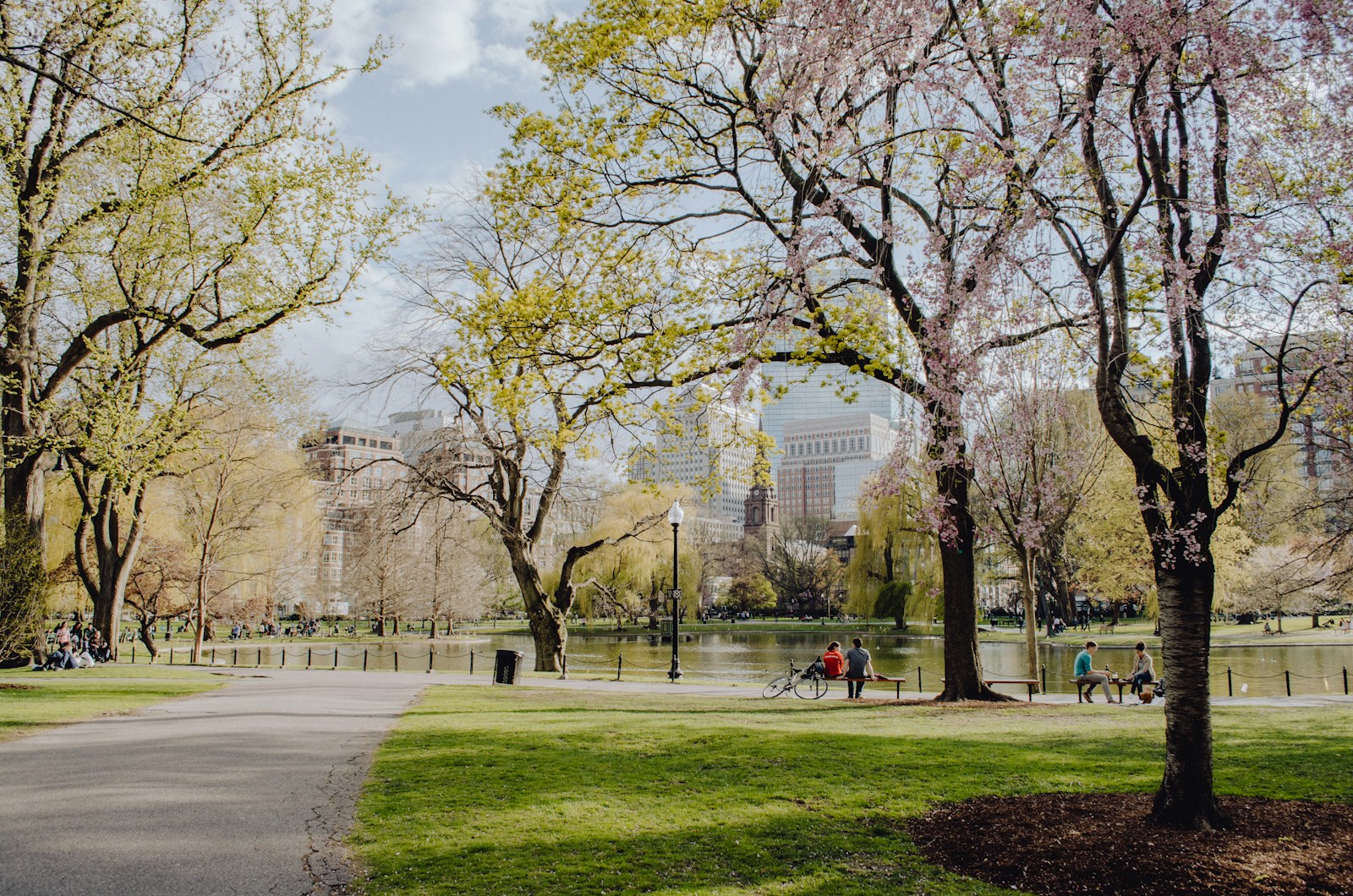
Nature and play spaces in a Brazilian preschool setting
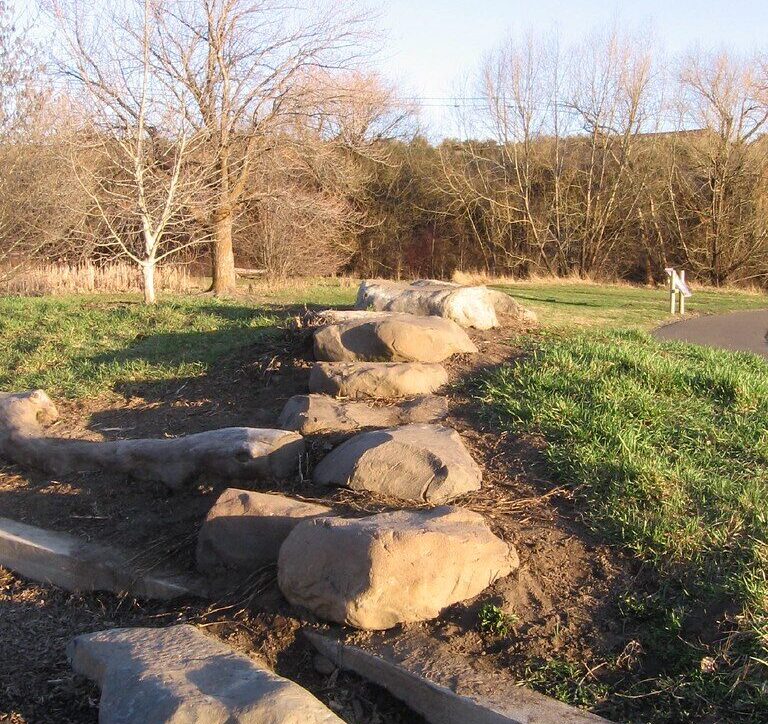
Outdoor playing during preschool was associated with a reduced risk of school-age obesity in Japan
Australian guidance documents informing nature playspaces for children: a scoping review
Designing schoolyards for tweens – WHERE, WHAT, and WHY
Designing schoolyards for tweens – WHERE, WHAT, and WHY
Research shows that school playgrounds are important for children’s health and development. However, tweens (children aged 9–12) have been an overlooked group in playground research.
To investigate how to build attractive playgrounds for tweens, a study by Amholt and colleagues (2024) investigated WHERE tweens are most active in playgrounds, WHAT they do when they use them, and WHY they prefer certain play equipment or play types.
The authors investigated four school playgrounds and used device-based measures of physical activity and location, structured observation, and group interviews to understand tweens’ playground behavior.
A total of 474 tweens wore so-called ‘activity trackers’, 991 tweens were counted in the observations, and 56 participated in interviews.
This brief summarizes key insights from the study and provides valuable considerations in motivating tweens to use school playgrounds.
It is relevant not only for playground designers but also for school leaders and teachers.



Enjoyed by Jack but Endured by Jill: An Exploratory Case Study Examining Differences in Adolescent Design Preferences and Perceived Impacts of a Secondary Schoolyard
Designing schoolyards for different play types
Designing schoolyards for different play types
To make schoolyards supportive for outdoor play and physical activity, it’s essential to understand how children play in these spaces. This includes understanding how play practices and schoolyard environments interact, and what schoolyard facilities are essential to different types of play.
In this study, researchers from the World Playground Research Institute explored play in the schoolyard by examining how children aged 6-9 interacted with their environment during recess.
Observations were made over 710 minutes of break time at five Danish schools, and 12 group interviews with 57 students in first to third grade provided further insights. These insights are important to understanding children’s perspectives and giving them a voice.
In total, five different play types were identified, offering valuable guidance for practitioners aiming to design schoolyards that support diverse types of play behavior.




Children’s play behaviour and engagement with the schoolyard environment
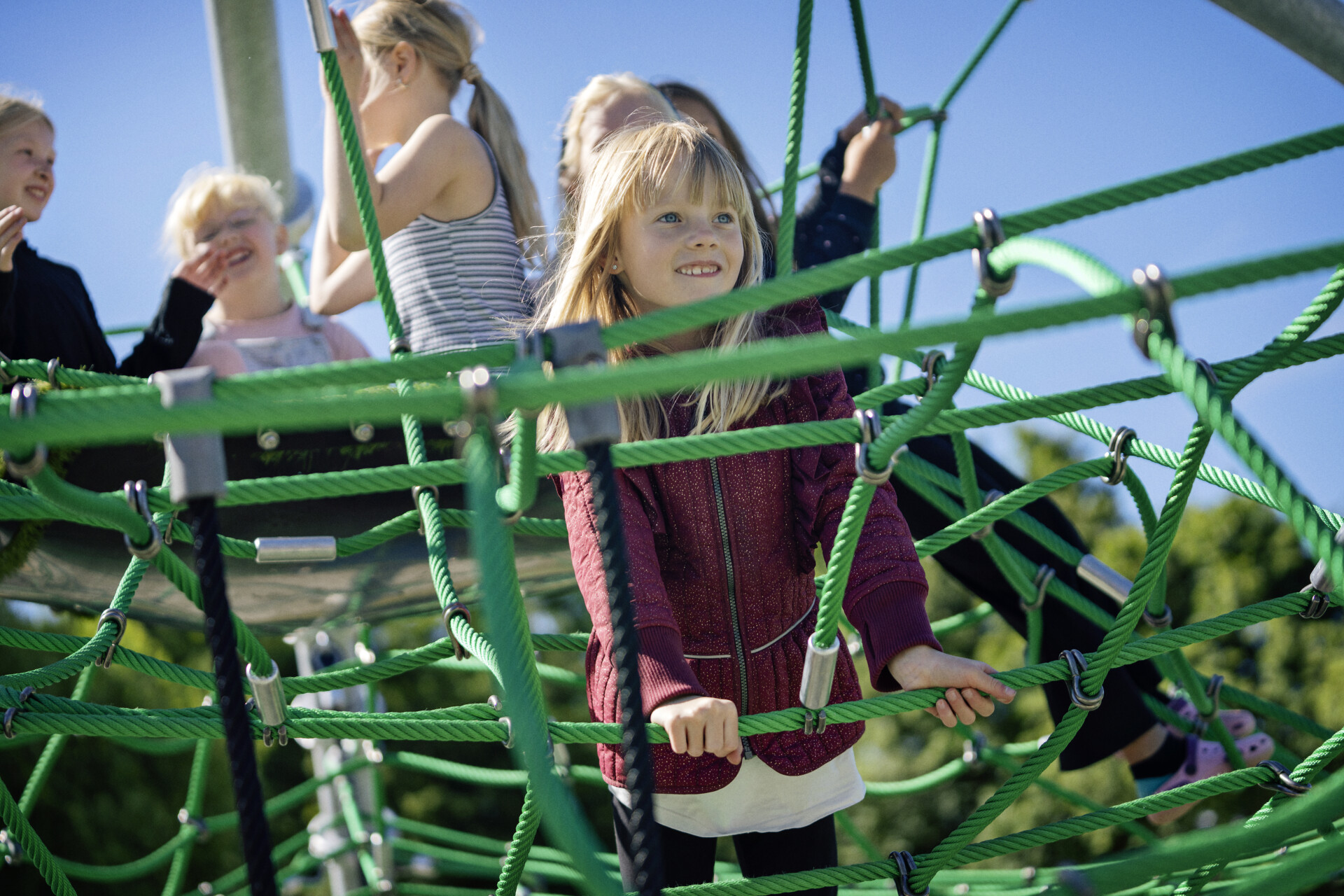
Motivating school playgrounds for tweens: the WHERE, WHAT, and WHY
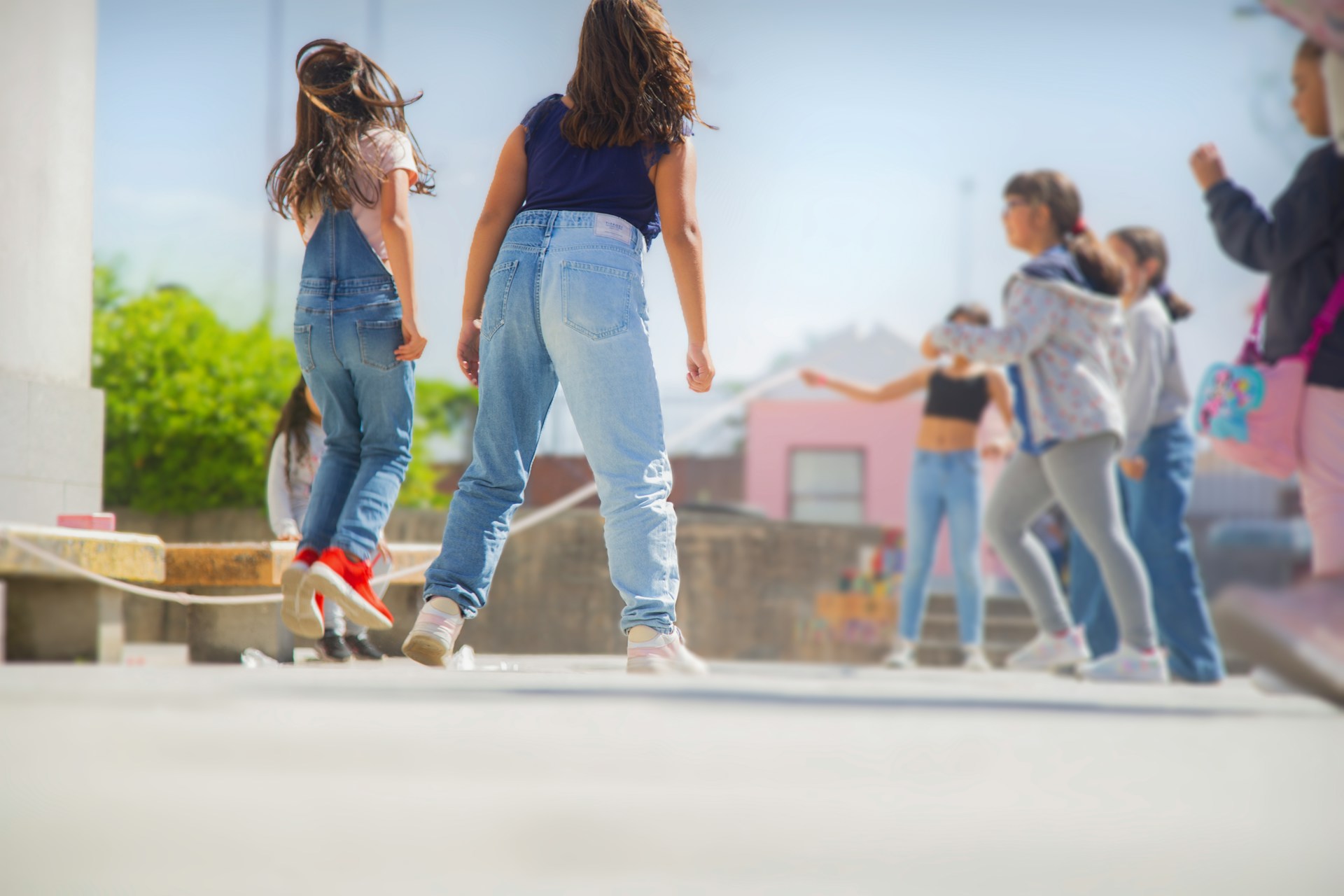
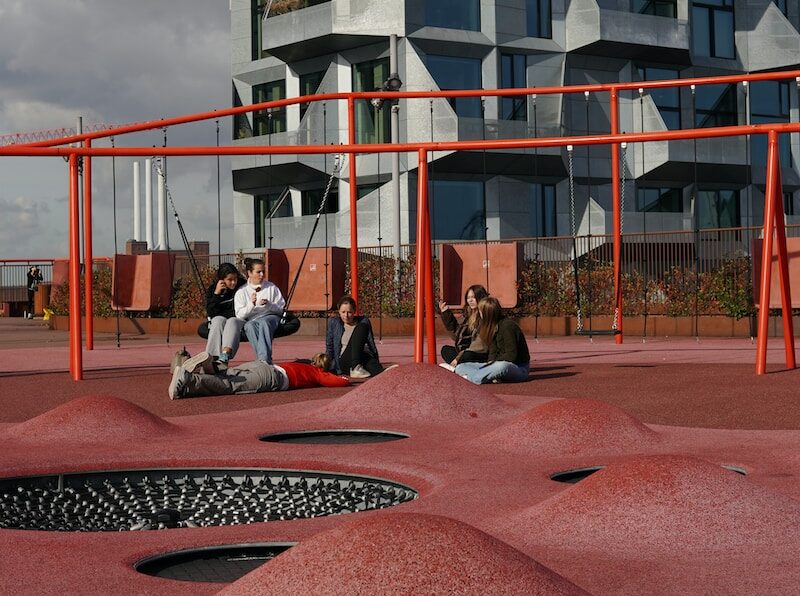
The impact of school playgrounds on children’s health
The impact of school playgrounds on children’s health
Active outdoor play is crucial for children’s health and development, and school playgrounds provide an ideal space for it. However, the importance of these playgrounds’ use for health and well-being is still unclear.
As part of the World Playground Research Institute’s comprehensive scoping review conducted in 2024*, 130 studies related to school playgrounds were extracted from all published research on playground use and its health benefits for children. The aim was to create a more clear and detailed overview of school playgrounds’ impact on children’s well-being.
In this brief, we summarize important insights from the scoping review, aiming to guide school leaders, policymakers, and practitioners, like landscape architects, in making informed decisions about schoolyard investments and designs.
It also supports researchers in identifying areas for future research needs.
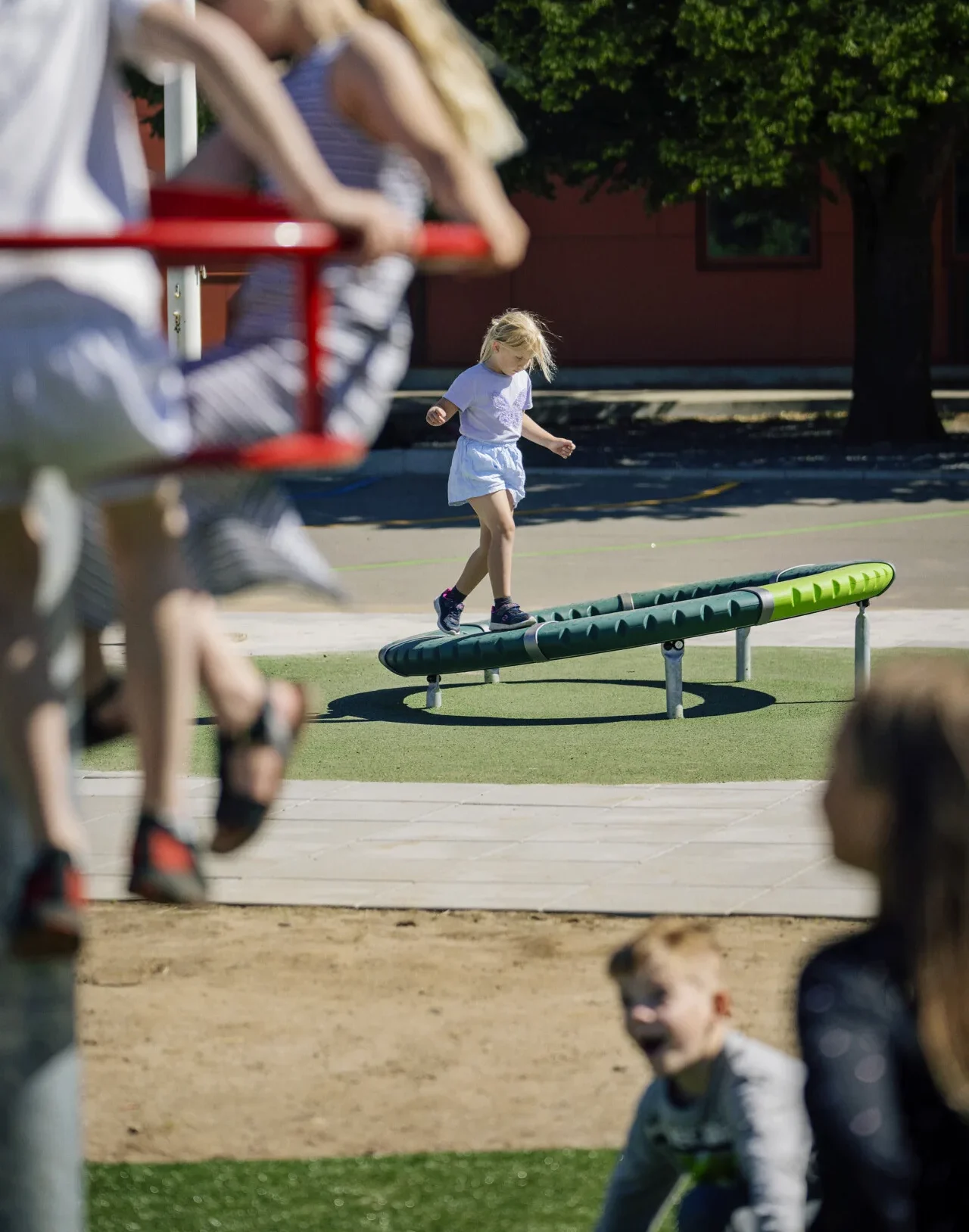
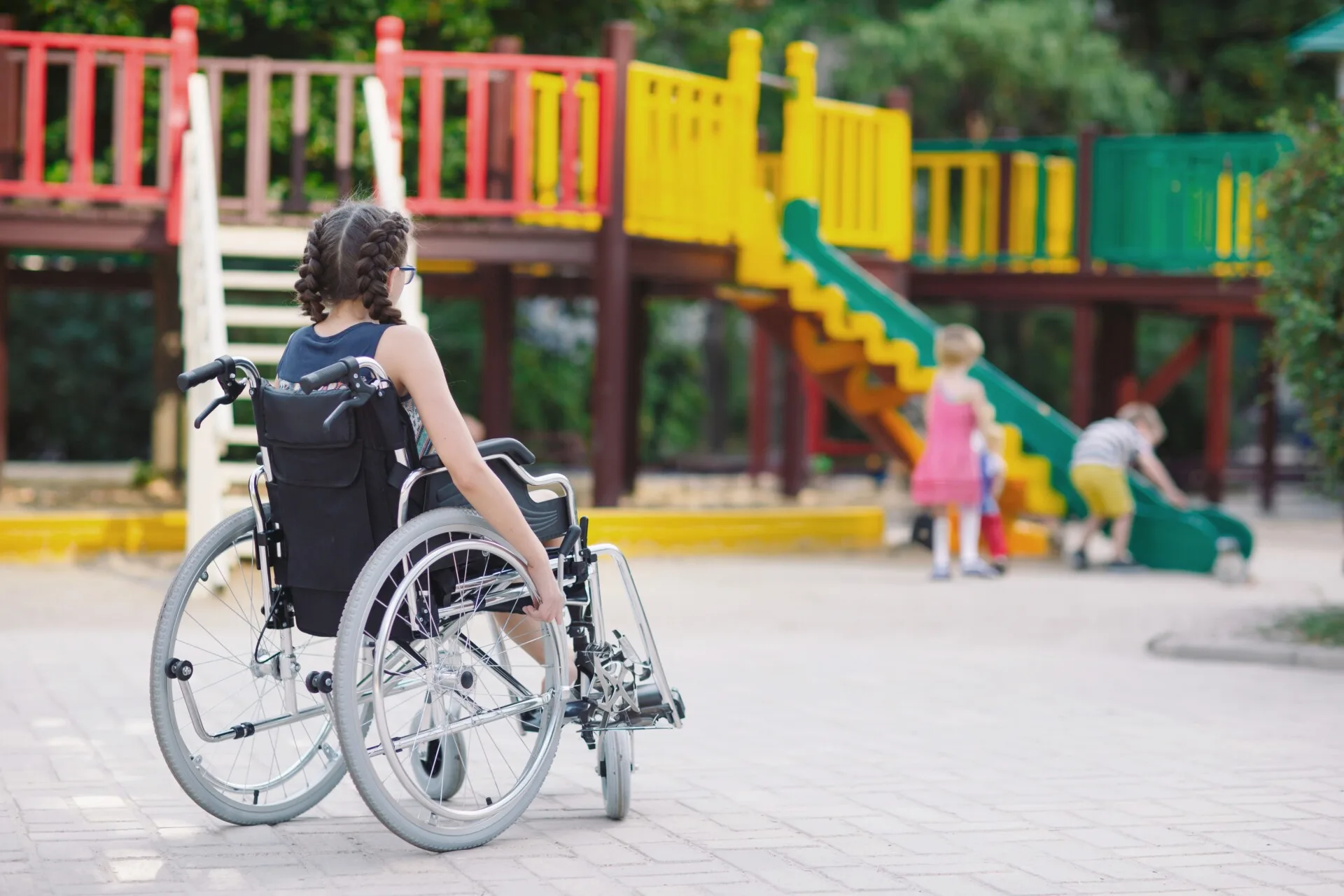

Does changing playgrounds have a positive effect on children’s health?
Does changing playgrounds have a positive effect on children’s health?
Today’s children have far less outdoor playtime than previous generations. This is a concerning trend given the importance of outdoor play for children’s physical, social, and mental development.
By presenting clear evidence of the health benefits of playgrounds, researchers can help convince policymakers and city planners to prioritize playground investments.
To support playgrounds’ prioritization in urban planning, the World Playground Research Institute conducted an extensive review, analyzing 247 key publications to illustrate the health benefits of playgrounds.
In this brief, we present key findings that can guide and provide essential arguments for the (health) benefits of playgrounds. These arguments are particularly relevant for policy makers and city planners working to prioritize and plan for playground investments.
Additionally, this brief may also be useful for researchers and research communities looking for available information on the health benefits of playgrounds.