Your search returned 248 results
Schoolyard Level Inventory for Describing the Environment: Linking High-Resolution Spatiotemporal Data to the Physical Environment to Understand Children’s Physical Activity Behaviors
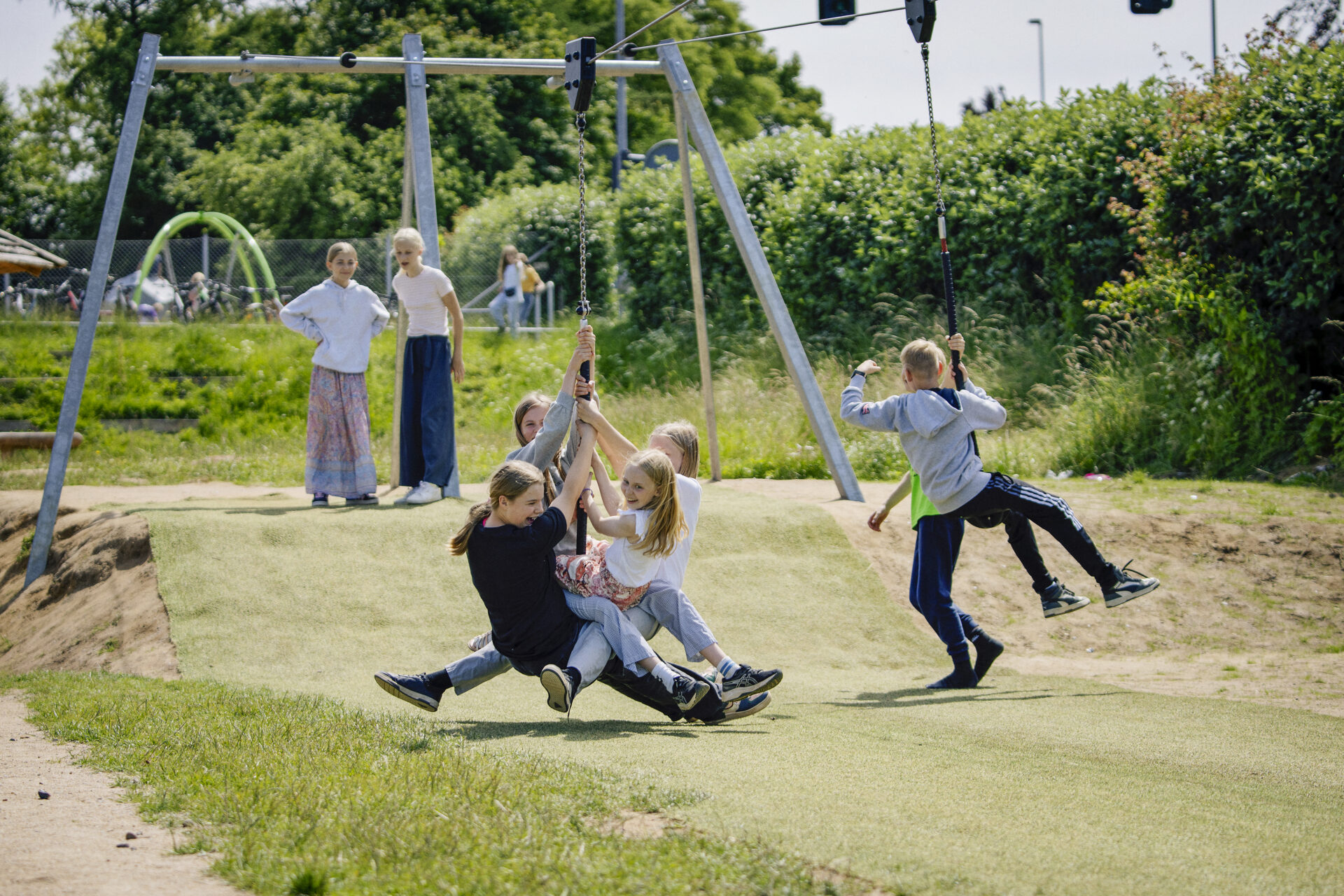
School Factors Associated With Physical Activity Participation in Children and Adolescents With Disabilities: A Systematic Review
Sex Differences in Children’s Motivation and Action Patterns for Climbing as Behavioral Relicts of Ancestral Sexual-Size Dimorphism
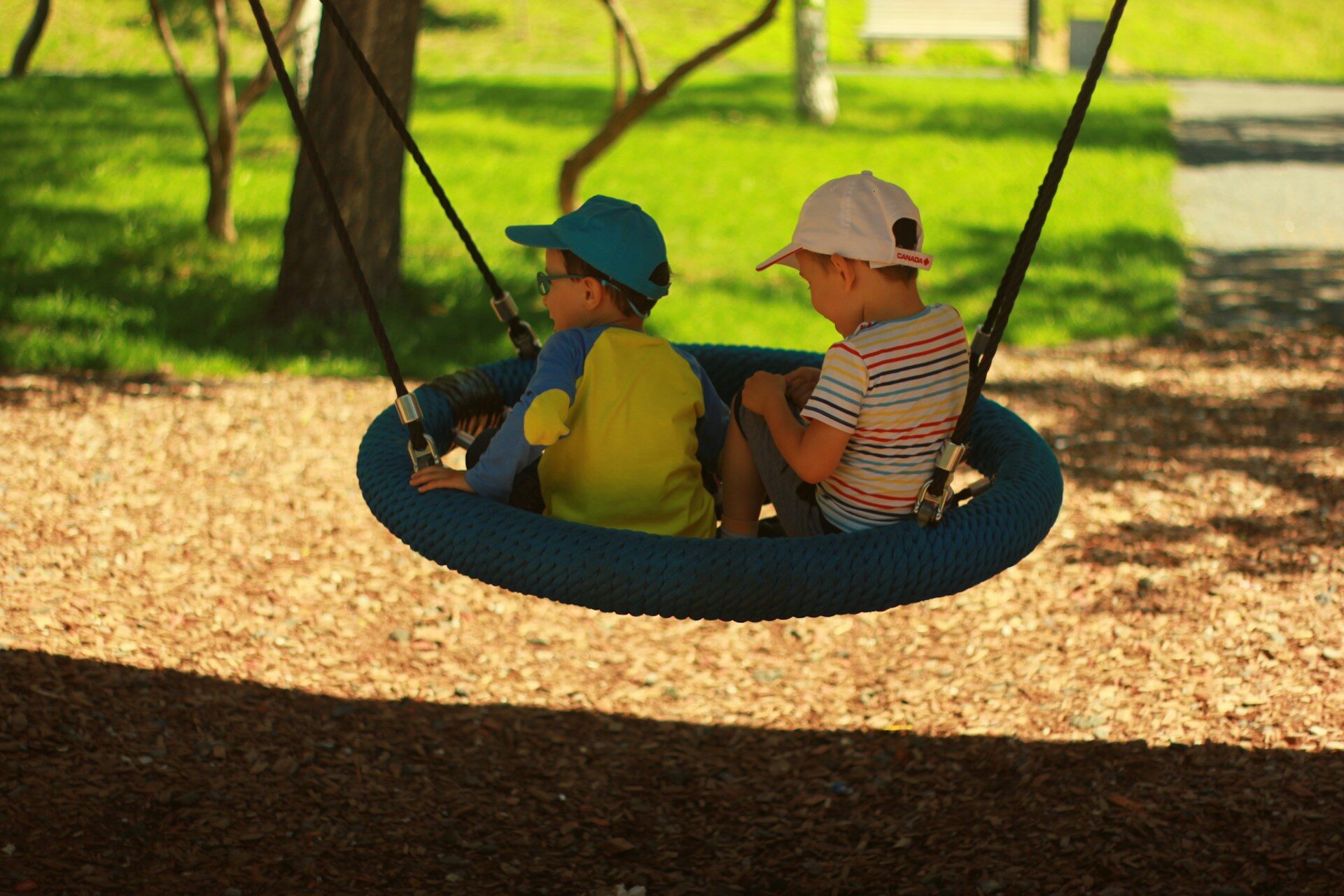
Comprehensive Strategies for Managing School-based Physical Activity during Extreme Heat

How Can Schools Increase Children and Adolescents’ Physical Activity? A Systematic Review of Playground Features

New Trends in Planning School Buildings Design: Outdoor Pedagogical Spaces Approach

Primary school playgrounds: a holistic approach to fun, health, and safety

Let’s Play: Co-designing inclusive school playgrounds with neurodivergent children
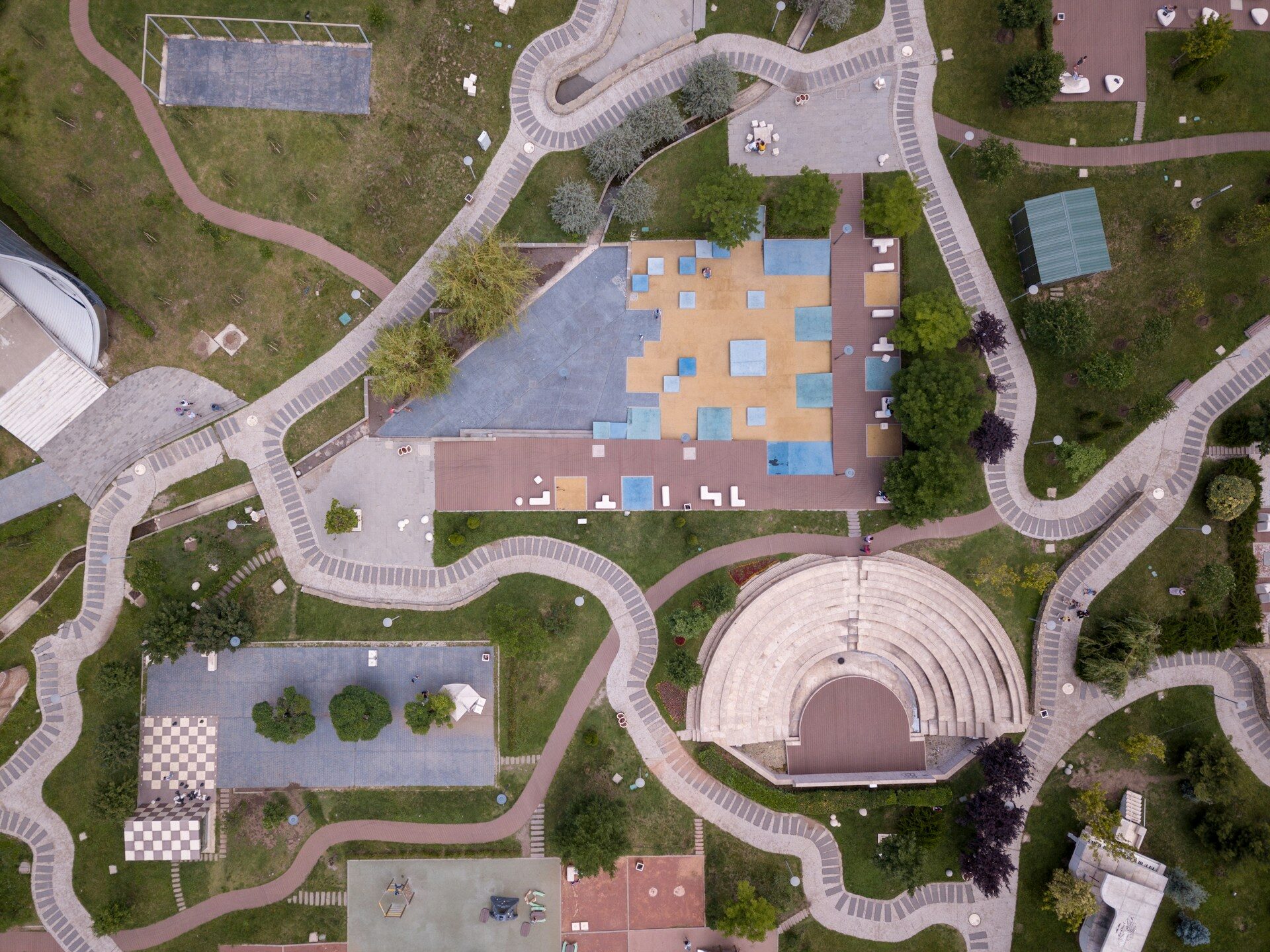
The impact of schoolyard interventions on children’s and adolescents’ social, emotional, and cognitive well-being: A scoping review
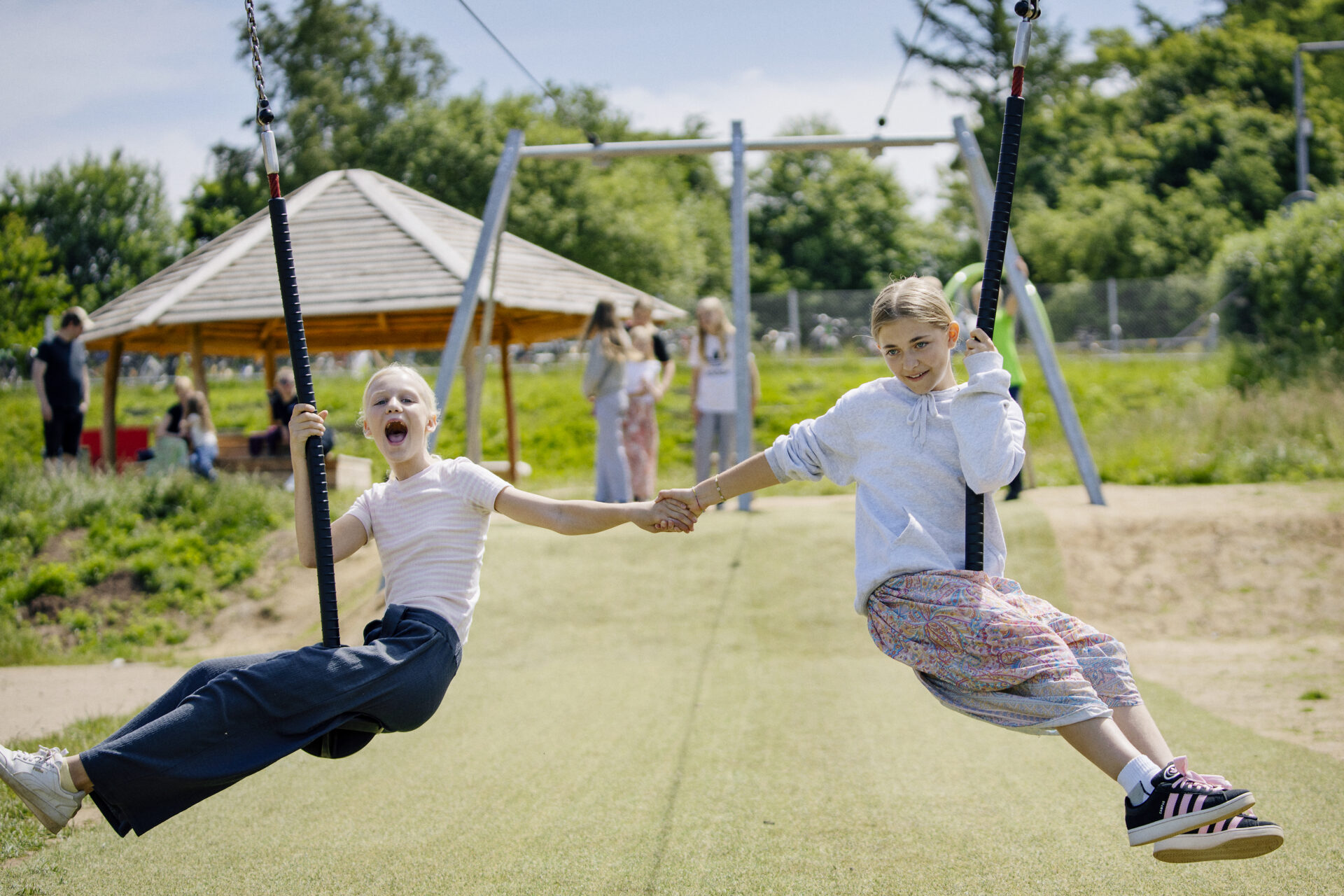


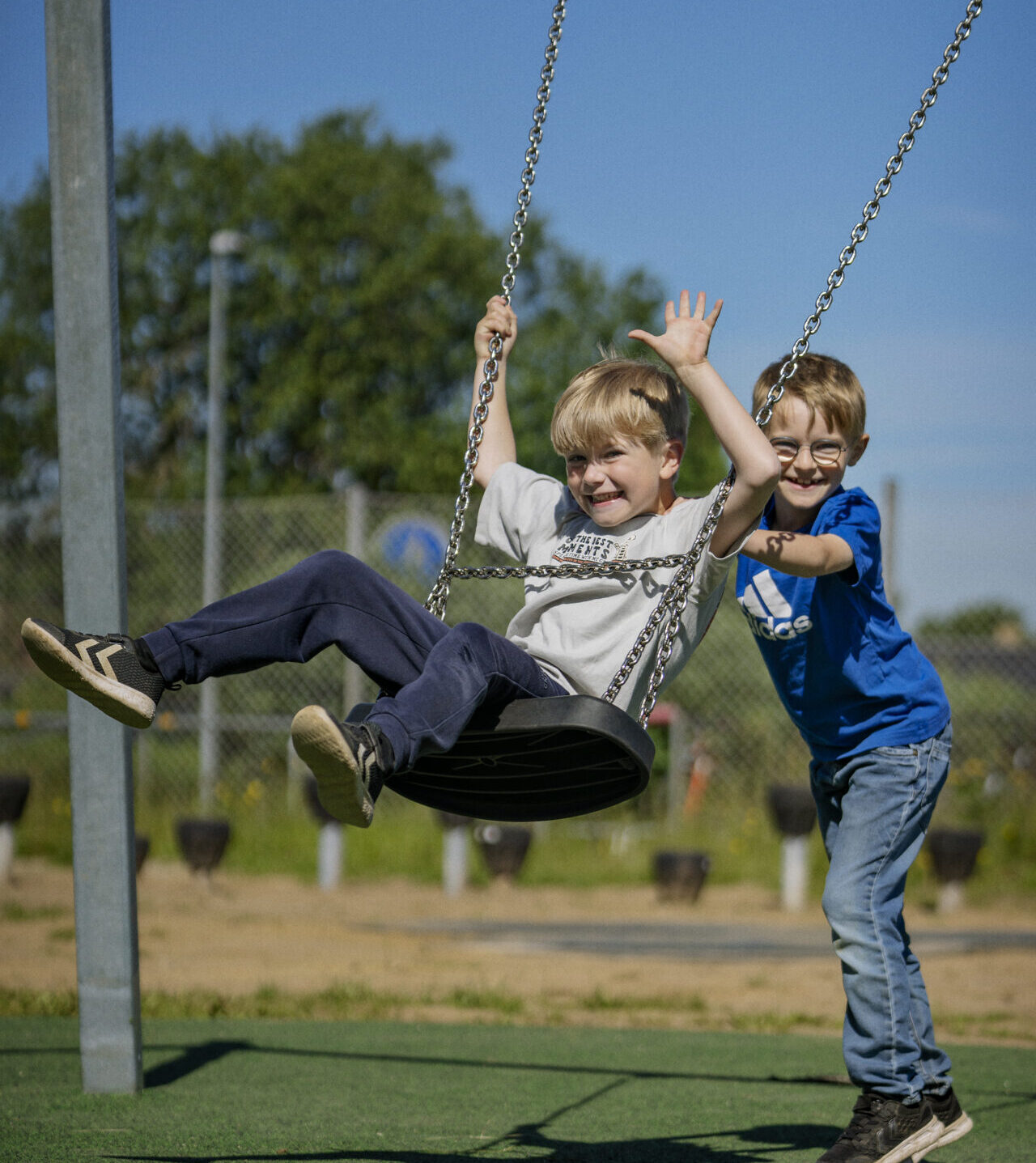
Designing heat-resilient schoolyards to support active outdoor play
Designing heat-resilient schoolyards to support active outdoor play
School recess plays a crucial role in promoting physical activity, contributing up to 44% of children’s physical activity during school days. Yet with rising global temperatures, extreme heat poses a growing barrier to outdoor activity in schoolyards.
Shade—whether from trees or structures—may help offset thermal discomfort, but its role in sustaining physical activity levels under hot conditions is an understudied topic.
To better understand these dynamics, Lanza and colleagues (2022) examined how ambient temperature and shade availability affect children’s moderate to vigorous physical activity (MVPA) in schoolyards.
The study, conducted at three elementary schools in Austin, Texas, examined MVPA and locations of 213 children aged 8-10. Accelerometers and GPS monitors were used during recess in the fall of 2019, with temperatures ranging from 11 °C to 35 °C (53-96 °F).
Findings from this study are especially relevant for school administrators, public health officials, and urban planners aiming to create heat-resilient environments that promote children’s health and well-being in a warming climate.


Social connectedness at the playground before and after COVID-19 school closure
Children’s experiences of playground characteristics that contribute to play value and inclusion: Insights from a meta-ethnography

How they play. How to prep children with motor difficulties to cope in the playground
SOOPEN: design and assessment of a tailored systematic observation tool to evaluate outdoor play behavior among schoolchildren groups

“I Need the Shade”: Experiences and Perceptions of Elementary School Children During Recess in Hot Weather

Politicizing Children’s Play: A Community Photovoice Process to Transform a School Playground

The Effects of Supervision and Activity Status on Physical Activity Participation with Activity Zoned Playgrounds in Elementary-Aged Children
