Your search returned 248 results
The role of playgrounds in promoting children’s health – a scoping review

A gap in perceived accessibility to play spaces for physical activity in Arizona elementary schools

The role of playgrounds in the development of children’s fundamental movement skills: A scoping review

A scoping review of methods and measures used to capture children’s play during school breaktimes

Associations between outdoor play features and children’s behavior and health: A systematic review

Interactive Playgrounds and Children’s Outdoor Play Behavior: Children’s Perspectives
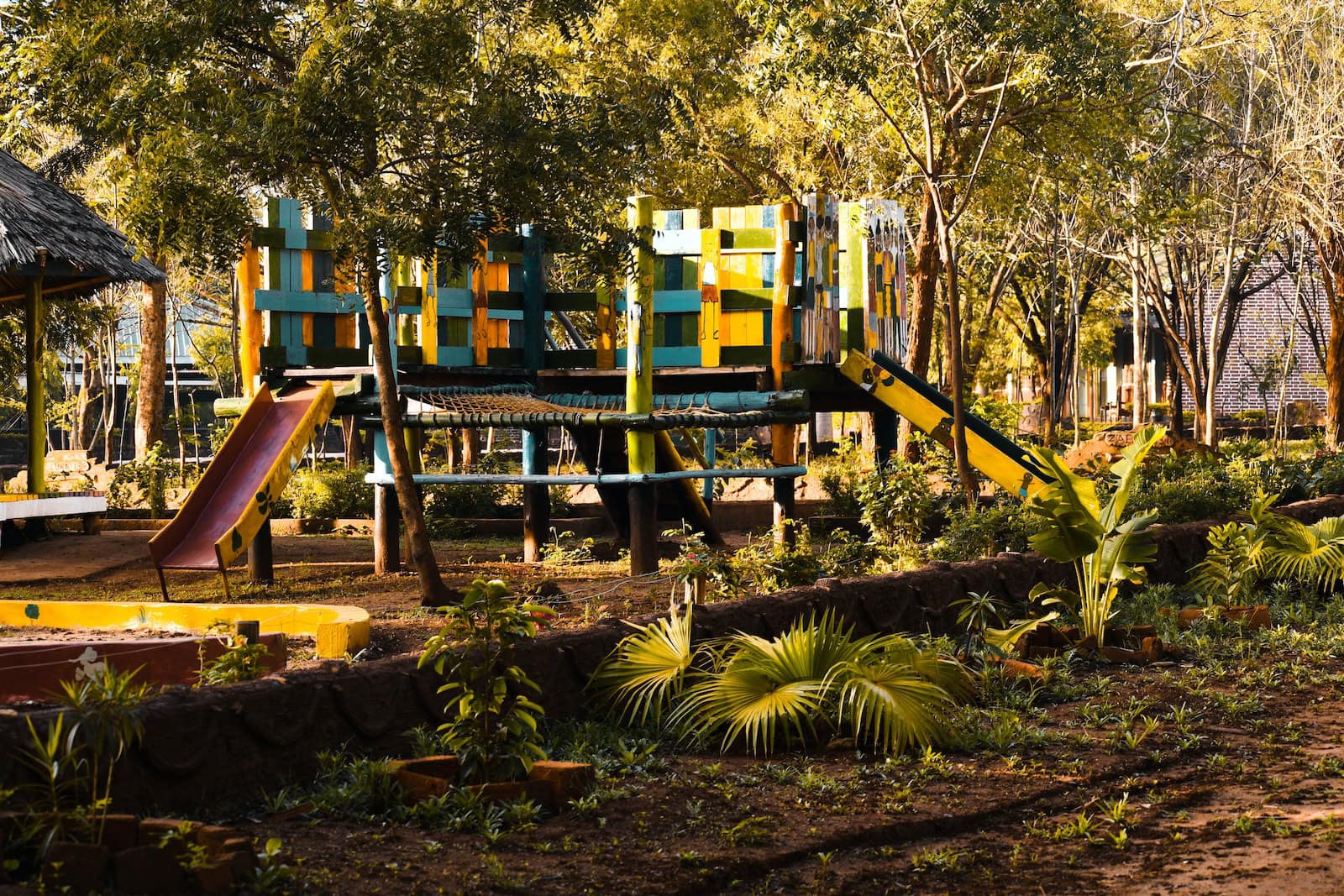
“It Is Scary, but Then I Just Do It Anyway”: Children’s Experiences and Concerns about Risk and Challenge during Loose Parts Play
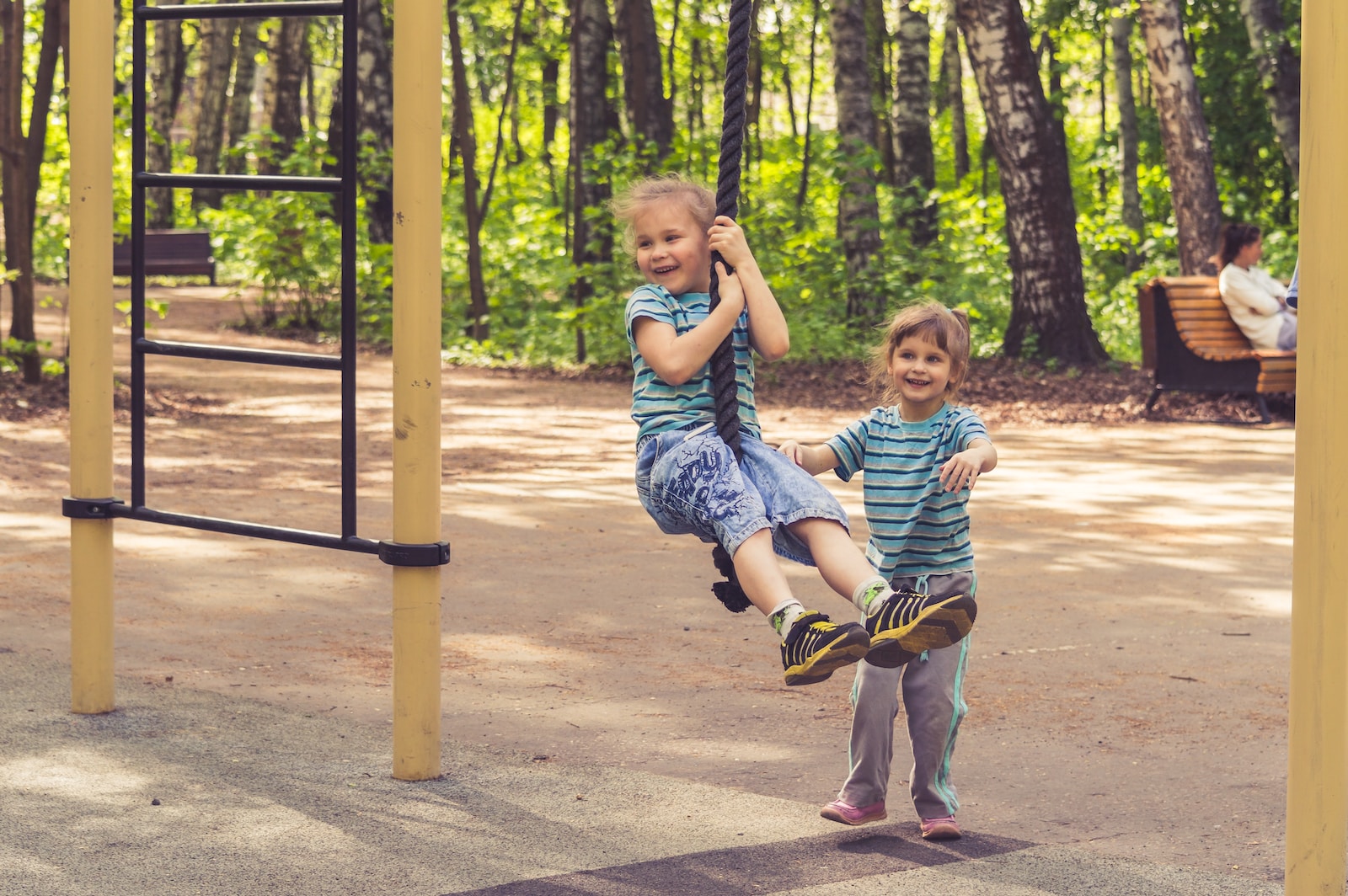
Development and implementation of a municipal outdoor play policy for children and youth in Nova Scotia, Canada: a community case study

The availability between recreational facilities and physical activity of US adolescents

Where the children play: Gender gaps in recess physical activity by age and playground area

Importance of children’s recess play exploration within school outdoor environment

The availability between recreational facilities and physical activity of US adolescents

Physical Activity Levels During School Recess in a Nationally Representative Sample of 10- to 11-Year-Olds

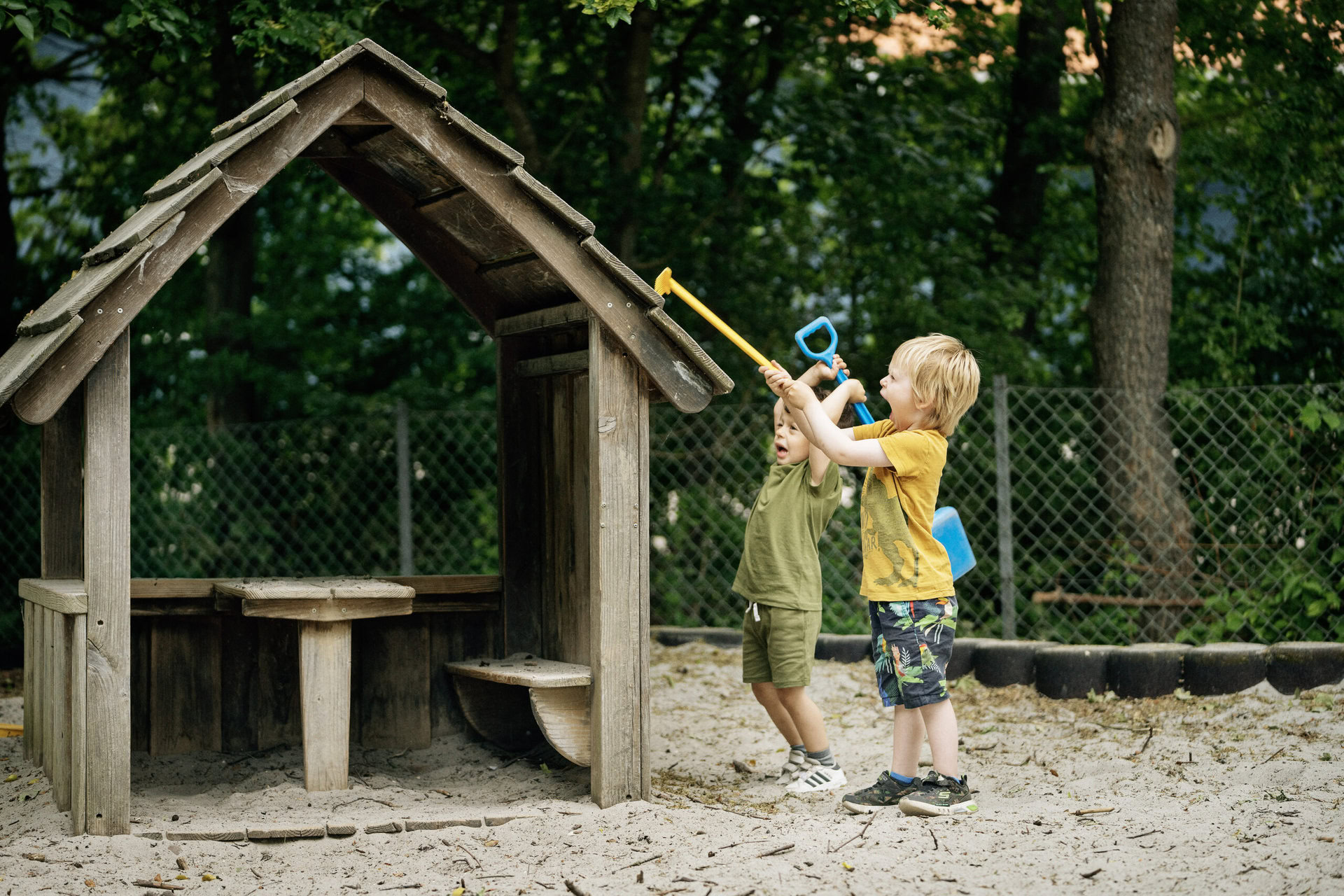

From children’s perspective: How can playgrounds contribute to play value and inclusion?
From children’s perspective: How can playgrounds contribute to play value and inclusion?
Research has shown that children’s playtime involves embracing fun challenges, mastering new skills, and enjoying the freedom to play anywhere, with anything, or with anyone. It also provides an excellent opportunity for socialization and interaction with friends.
All of these elements can be encapsulated in the concept of ‘play value’. Play value denotes the significance that children find in their playtime – it’s the depth and richness of their play experience in a specific setting.
Currently, there is limited knowledge about the specific environmental features that should be considered when designing playgrounds with high play value to meet the diverse play needs of all children.
In this brief, we showcase key findings from a meta-ethnographic study conducted in 2023, which investigated 17 studies on how children’s experiences of the environmental characteristics of outdoor playgrounds contribute to valuable insights into our comprehension of play value and inclusion from a child-centered viewpoint.
This brief is relevant for playground planners, designers, architects, as well as researchers, and professionals engaged in the planning and design of playgrounds.



Intervention Effects on Adolescent Physical Activity in the Multicomponent SPACE Study: A Cluster Randomized Controlled Trial

How do parental attitudes toward risk and injury relate to children’s physical activity?
How do parental attitudes toward risk and injury relate to children’s physical activity?
Children can benefit from adventurous play.
It can build independence, resilience, and emotional regulation skills, as well as contribute to mental well-being. Furthermore, these activities are often vigorous and can substantially increase children’s moderate-to-vigorous levels of physical activity (MVPA).
In this brief, we highlight key results from an article published in 2024 that investigates the relationship between parent attitudes to risk and injury*, and their elementary school-aged child’s daily adventurous play and MVPA in Australia.
The study draws from a sample of 645 Australian parents or guardians who completed an online survey comprising validated measures investigating children’s physical activity, active play, and adventurous play, and their attitudes towards risk and injury.
For example, parents were asked about the average daily time their child spent engaged in active play, with provided examples illustrating various types of activities and settings, such as climbing high or jumping off elevated surfaces.
This brief aims to offer valuable information for practitioners and policy makers who are interested in designing interventions to enhance children’s opportunities for adventurous play and physical activity outdoors.
*Risk and injury are addressed in the article regarding risky play, which the authors define as ”thrilling and exciting forms of physical play that involve uncertainty and a risk of physical injury” (Sandseter, 2010).

Traditional or nature-based playgrounds for developing preschoolers’ fundamental movement skills?
Traditional or nature-based playgrounds for developing preschoolers’ fundamental movement skills?
As the allure of nature-based kindergartens grows, one important question arises: How do natural environments functioning as playgrounds impact the development of fundamental movement skills in children?
This brief provides insights from a pilot study conducted in a Danish kindergarten, led by Charlotte Skau Pawlowski and her team from the World Playground Research Institute.
This brief is particularly relevant for policy and decision makers involved in creating and maintaining playground environments for young children. It may also be of interest to researchers and professionals in the field of early childhood education and care, child development, and playground design.
Additionally, anyone interested in understanding the impact of different types of playgrounds on children’s fundamental movement skills could also find value in this text.


“Children can play anywhere and everywhere”
“Children can play anywhere and everywhere”
Children are more active outside than inside. Playing outdoors in contact with sunlight and nature not only influences children’s health and personal development but also sharpens their motor and social skills.
Outdoor play contributes to children’s mental health and wellbeing, and children who engage in outdoor activities daily tend to be happier than their indoor counterparts.
However, there is a need to explore their interaction with outdoor environments and activities, especially during free time after school, while also identifying gender and age differences.
The insights presented in this brief are drawn from an article published in 2023. The authors closely observed 1,127 children aged 0-18 after school hours across three cities with diverse populations in the Netherlands.
This brief can serve as a valuable resource for policy-makers and decision-makers engaged in the planning, design, and maintenance of outdoor play spaces. It is equally relevant for researchers and professionals seeking to create inclusive play spaces that cater to everyone’s needs.
