Your search returned 248 results
Which factors in the school playground influence tweens’ physical activity?
Which factors in the school playground influence tweens’ physical activity?
School recess is a crucial opportunity for children to be physically active. Nevertheless, we need to understand which factors in the school playground influence children’s physical activity.
Identifying these factors, whether they are individual, social, cultural, physical, organizational, political or environmental, can help guide future interventions for promoting active recess time.
This brief provides insights from two PhD theses conducted in 21 Danish and five New Zealand school playgrounds, involving 10-13-year-old children (tweens). The data are based on interviews, observations, accelerometer, and GPS measurements.
The insights we present in this brief, are valuable for policy and decision makers responsible for school playgrounds, as well as researchers and professionals working to design and plan school playgrounds.

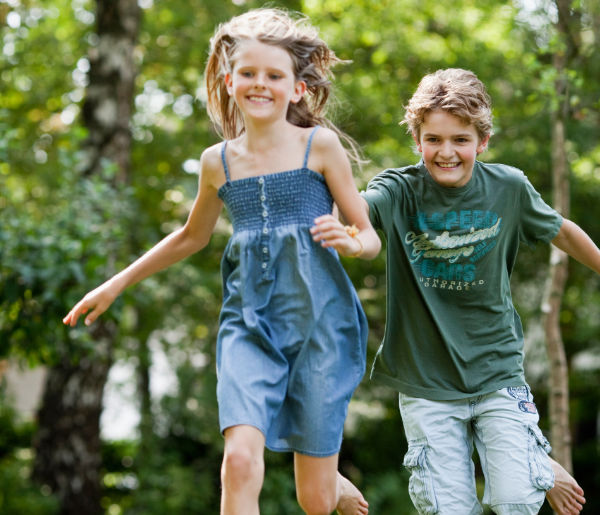
Play behavior typology in the schoolyard (6-9 years old)
Children are not a homogenous group, and they have different preferences for play. To create and build school playgrounds that can enhance active play for all children, it is essential to understand the cultural practices that influence and are influenced by play-related activities in the schoolyard.
Our study aimed to establish a play behavior typology based on the play of children aged 6 to 9 in the school playground.
Our study
This cross-sectional study took place in five Danish school playgrounds. We used a combination of playground observations and go-along focus group interviews with 6-9-year-old children to identify and describe a play typology of the different kinds of play behavior in the schoolyards.


Gender typologies in the school playground
Gender typologies in the school playground
Boys are more physically active than girls in the school playground. To build school playgrounds that can improve both boys’ and girls’ physical activity it is crucial to understand the cultural practices that shape and are shaped by gender activities in the school playground.
This brief provides insights from a study conducted in 17 Danish school playgrounds where 111 10-11-year-old children were interviewed. The study was led by Charlotte Skau Pawlowski from the World Playground Research Institute.
This brief is particularly relevant for policy and decision makers involved in creating and maintaining playground environments in schools. It may also be of interest to researchers and professionals designing school playgrounds.
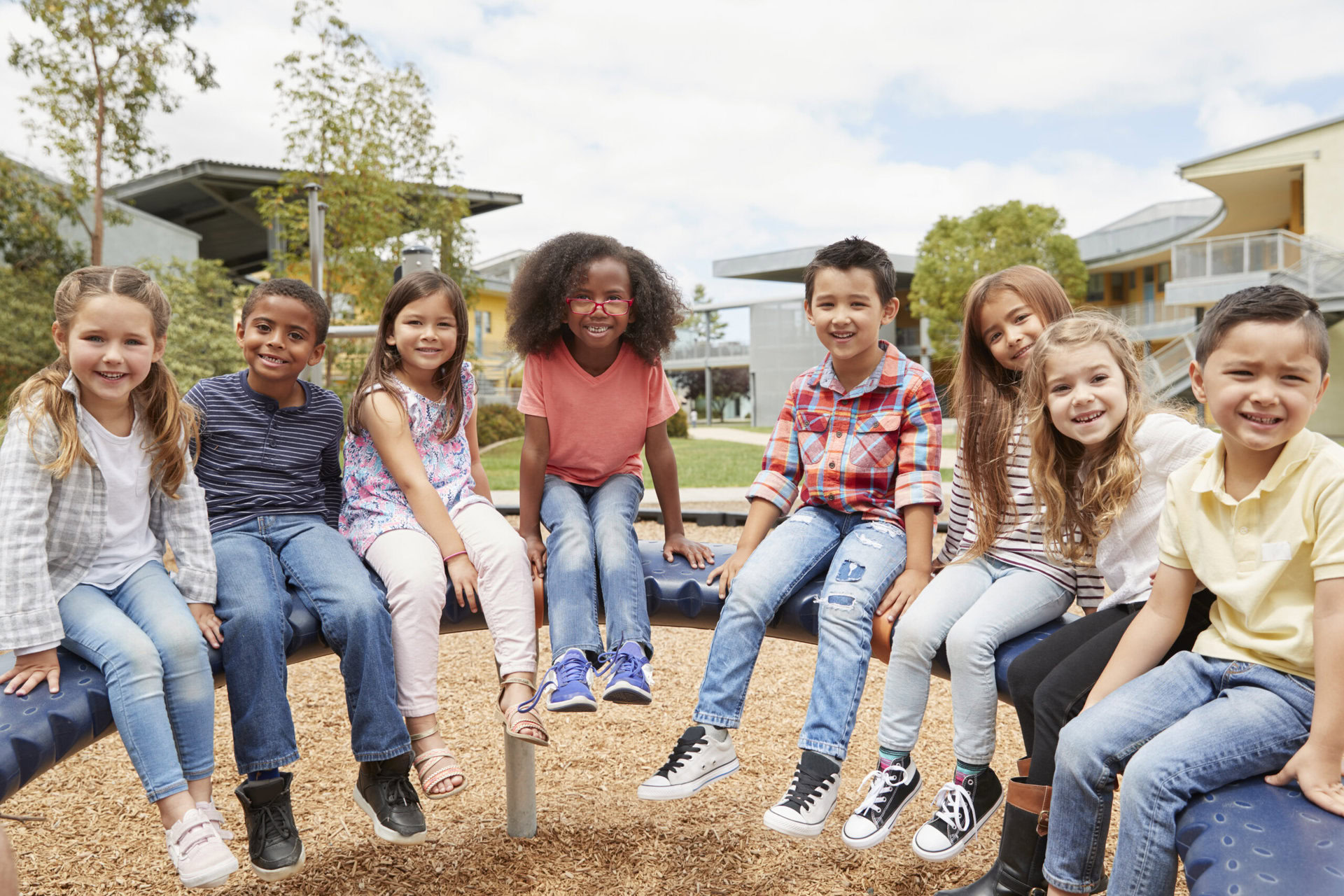
School playgrounds for well-being
Research has highlighted how school playgrounds can impact kids’ social and mental well-being. However, there’s a gap in understanding the exact effects of these spaces on children’s mental health, calling for more comprehensive and evidence-based research.
The aim is to investigate if re- or new-build playgrounds in the schoolyard (build age-appropriate and in accordance with knowledge on what children want) can improve social and mental health in 6-12-year-old children.
The study is an intervention study in five schools – two in the UK and three in Denmark. Systematic observation and survey will be used to measure social interactions, well-being, and enjoyment of activity and play during recess before and after intervention. The follow-up measurement will be conducted 12 months after the baseline measurement.
Efficacy and feasibility of lowering playground density to promote physical activity and to discourage sedentary time during recess at preschool: A pilot study

Teachers’ perceptions of barriers and facilitators of the school environment for physical activity in schoolchildren: a qualitative study
Evaluation of a Redesigned Outdoor Space on Preschool Children’s Physical Activity During Recess
Effect of a school-based intervention on physical activity: Cluster-randomized trial

Children’s Physical Activity Behavior during School Recess: A Pilot Study Using GPS, Accelerometer, Participant Observation, and Go-Along Interview
A socio-ecological examination of the primary school playground: Primary school pupil and staff perceived barriers and facilitators to a physically active playground during break and lunch-times
Moving physical activity beyond the school classroom: A social-ecological insight for teachers of the facilitators and barriers to students’ noncurricular physical activity
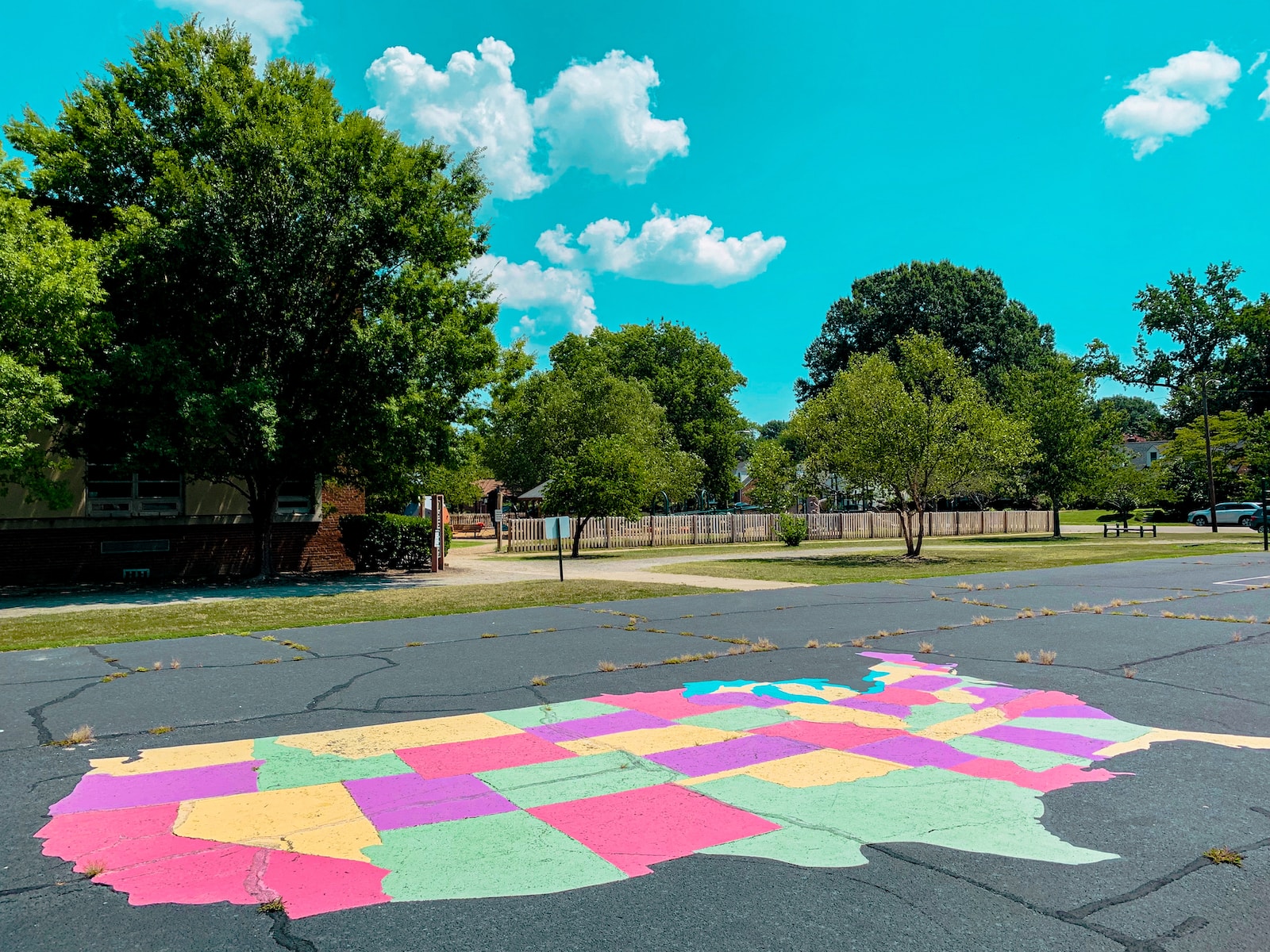
Longitudinal Follow-Up of Physical Activity During School Recess: Impact of Playground Markings
Affordances of School Ground Environments for Physical Activity: A Case Study on 10-and 12-Year-Old Children in a Norwegian Primary School
Predictors of segmented school day physical activity and sedentary time in children from a northwest England low-income community

Designing activating schoolyards: Seen from the girls’ viewpoint

The Effects of Playground Interventions on Accelerometer-Assessed Physical Activity in Pediatric Populations: A Meta-Analysis
A microgeographic analysis of physical activity behavior within elementary school grounds
Play area and physical activity in recess in primary schools