Your search returned 167 results
The role of playgrounds in promoting children’s health – a scoping review

Exploring Early Childhood Educators’ Perceptions of Children’s Learning and Development on Naturalized Playgrounds
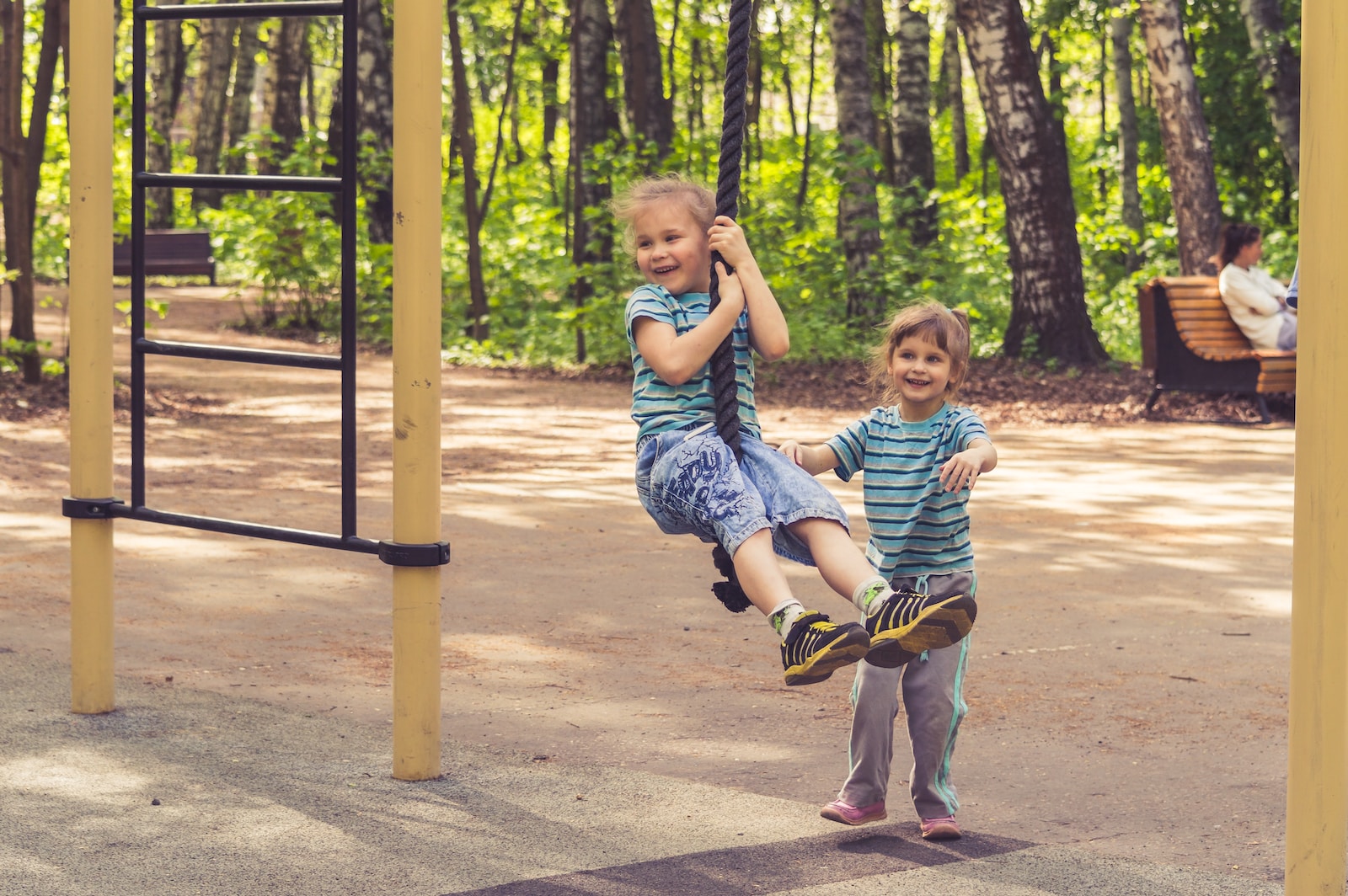
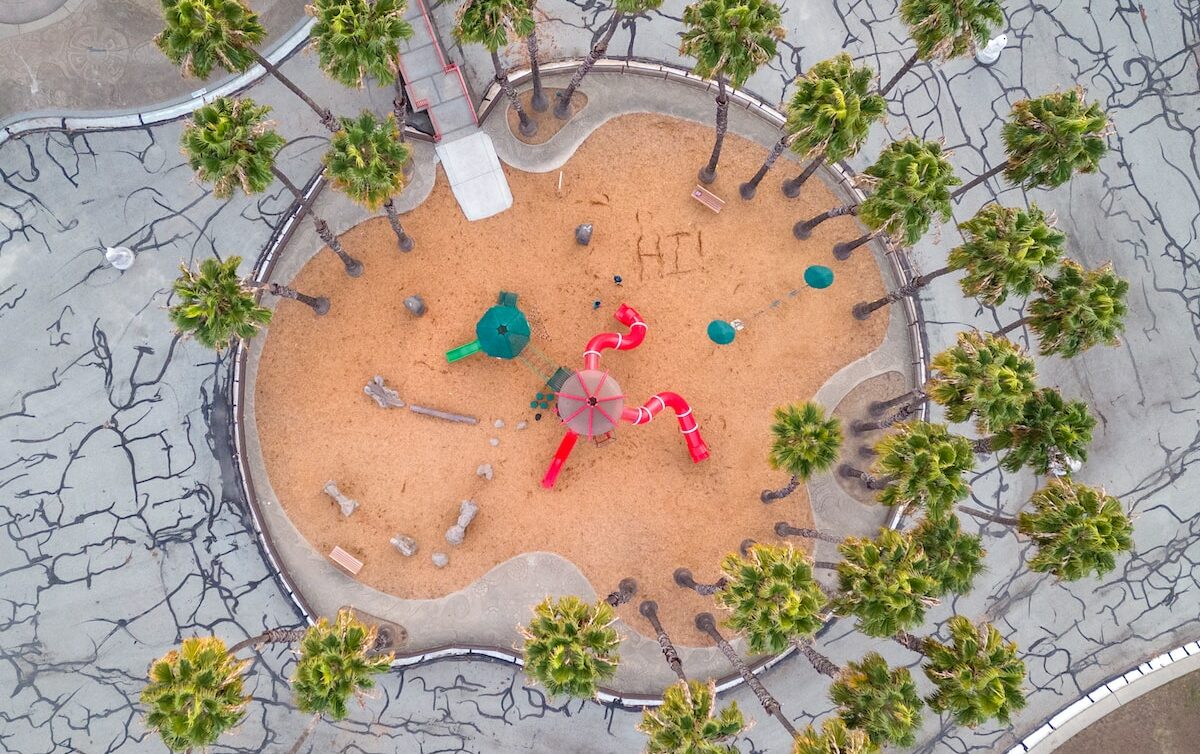
A scoping review of methods and measures used to capture children’s play during school breaktimes

Accessibility and equity issues within natural playground usage and development

ANALYSIS OF PREFERENCES OF CHILDREN WITH HEALTH LIMITATIONS REGARDING THE ARRANGEMENT OF INCLUSIVE CHILDREN’S PLAYGROUNDS IN MOSCOW

Associations between outdoor play features and children’s behavior and health: A systematic review

Designing Gender-Neutral Playgrounds: The Impact of Natural Environments on Children’s Behaviors
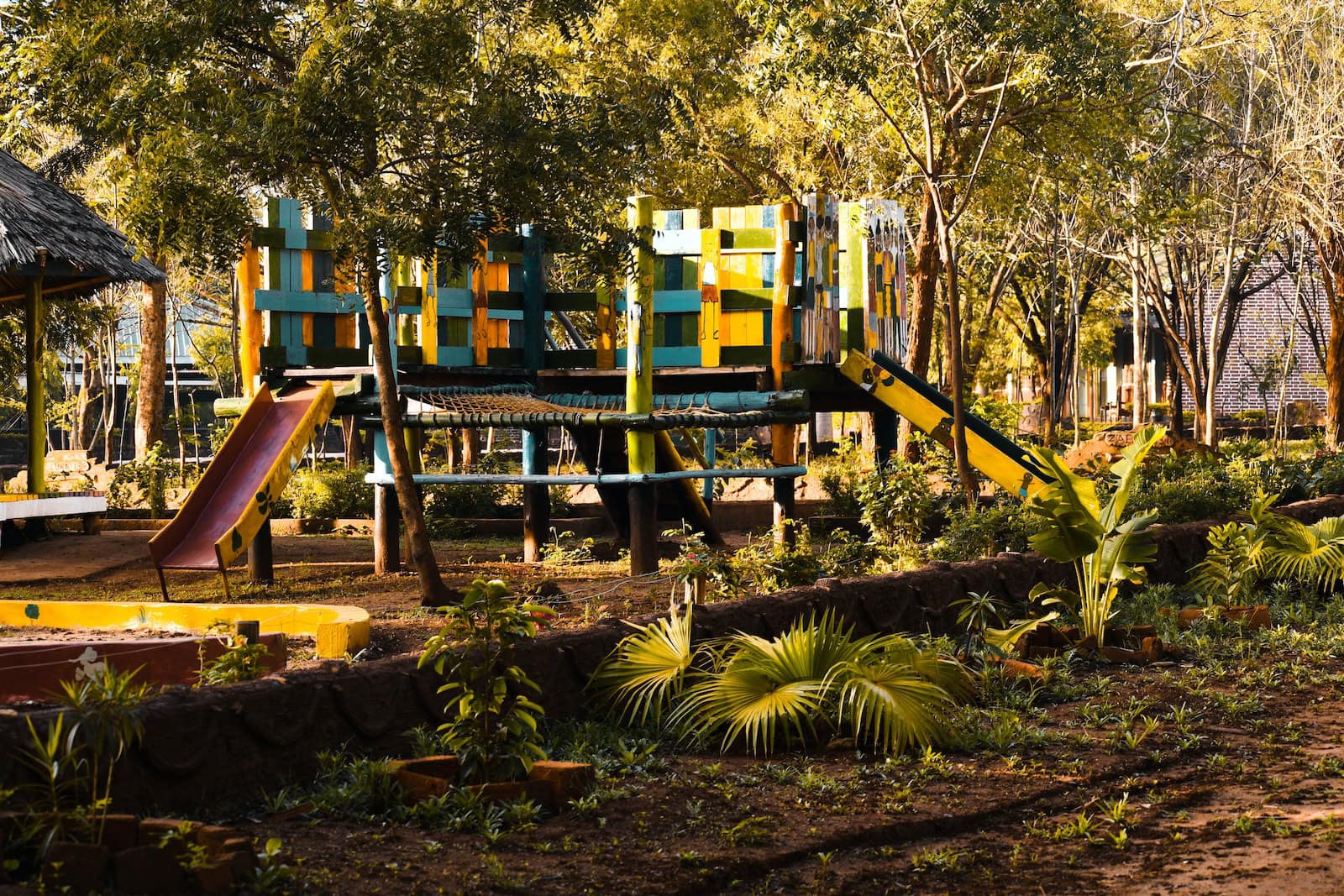
Experiences and Attitudes of Parents about Children’s Free Time at Children’s Sports Playgrounds

Understanding the experiences of parents of disabled and non-disabled children at playgrounds designed for disability inclusion

Importance of children’s recess play exploration within school outdoor environment

Do children play differently in nature play compared to manufactured play spaces? A quantitative descriptive study.


Children’s ratings of park features that encourage park visitation, physical activity and social interaction

Exploring Children’s Views on Important Park Features: A Qualitative Study Using Walk-Along Interviews

From children’s perspective: How can playgrounds contribute to play value and inclusion?
From children’s perspective: How can playgrounds contribute to play value and inclusion?
Research has shown that children’s playtime involves embracing fun challenges, mastering new skills, and enjoying the freedom to play anywhere, with anything, or with anyone. It also provides an excellent opportunity for socialization and interaction with friends.
All of these elements can be encapsulated in the concept of ‘play value’. Play value denotes the significance that children find in their playtime – it’s the depth and richness of their play experience in a specific setting.
Currently, there is limited knowledge about the specific environmental features that should be considered when designing playgrounds with high play value to meet the diverse play needs of all children.
In this brief, we showcase key findings from a meta-ethnographic study conducted in 2023, which investigated 17 studies on how children’s experiences of the environmental characteristics of outdoor playgrounds contribute to valuable insights into our comprehension of play value and inclusion from a child-centered viewpoint.
This brief is relevant for playground planners, designers, architects, as well as researchers, and professionals engaged in the planning and design of playgrounds.



“Children can play anywhere and everywhere”
“Children can play anywhere and everywhere”
Children are more active outside than inside. Playing outdoors in contact with sunlight and nature not only influences children’s health and personal development but also sharpens their motor and social skills.
Outdoor play contributes to children’s mental health and wellbeing, and children who engage in outdoor activities daily tend to be happier than their indoor counterparts.
However, there is a need to explore their interaction with outdoor environments and activities, especially during free time after school, while also identifying gender and age differences.
The insights presented in this brief are drawn from an article published in 2023. The authors closely observed 1,127 children aged 0-18 after school hours across three cities with diverse populations in the Netherlands.
This brief can serve as a valuable resource for policy-makers and decision-makers engaged in the planning, design, and maintenance of outdoor play spaces. It is equally relevant for researchers and professionals seeking to create inclusive play spaces that cater to everyone’s needs.

What is the future of playground design?
What is the future of playground design?
Explore the future of playground design in this brief, unveiling key insights from a 2023 article that compares traditional playgrounds with innovative designs*. The focus is on understanding how the design of a playground may influence usage and promote physical activity.
Globally, inactivity poses a significant health risk making it crucial to research how playground design can encourage physical activity for improved overall health and well-being. Additionally, the highlighted study investigates the role of neighborhood contextual factors.
The authors selected 30 traditional and 30 innovative playgrounds across ten U.S. cities. Utilizing the System for Observing Play and Recreation in Communities, they recorded user numbers and characteristics through 19 hourly observations per playground over a one-week period during the summer of 2021.
This brief is especially relevant for playground planners, designers, architects, as well as researchers and professionals involved in planning and designing playgrounds.
*Innovative playgrounds feature varied surfaces, natural play areas, open-ended structures, and movable equipment, and go beyond traditional post-and-platform structures.
