Your search returned 215 results
To Play or Not to Play: Mapping Unequal Provision of Children’s Playgrounds
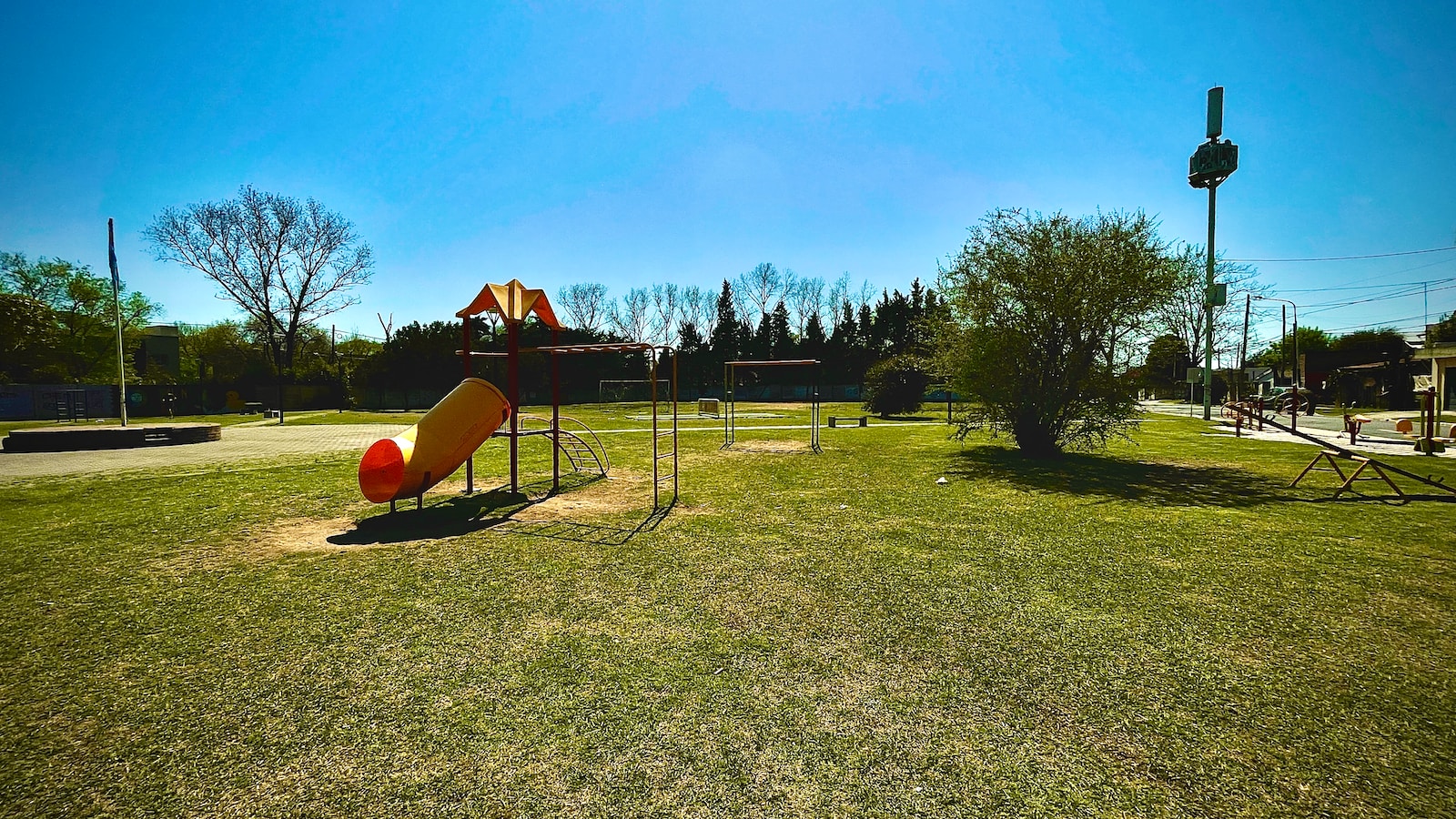
Planning for Risky Play: From Child-Safe Playgrounds Towards Adventurous Urban Areas
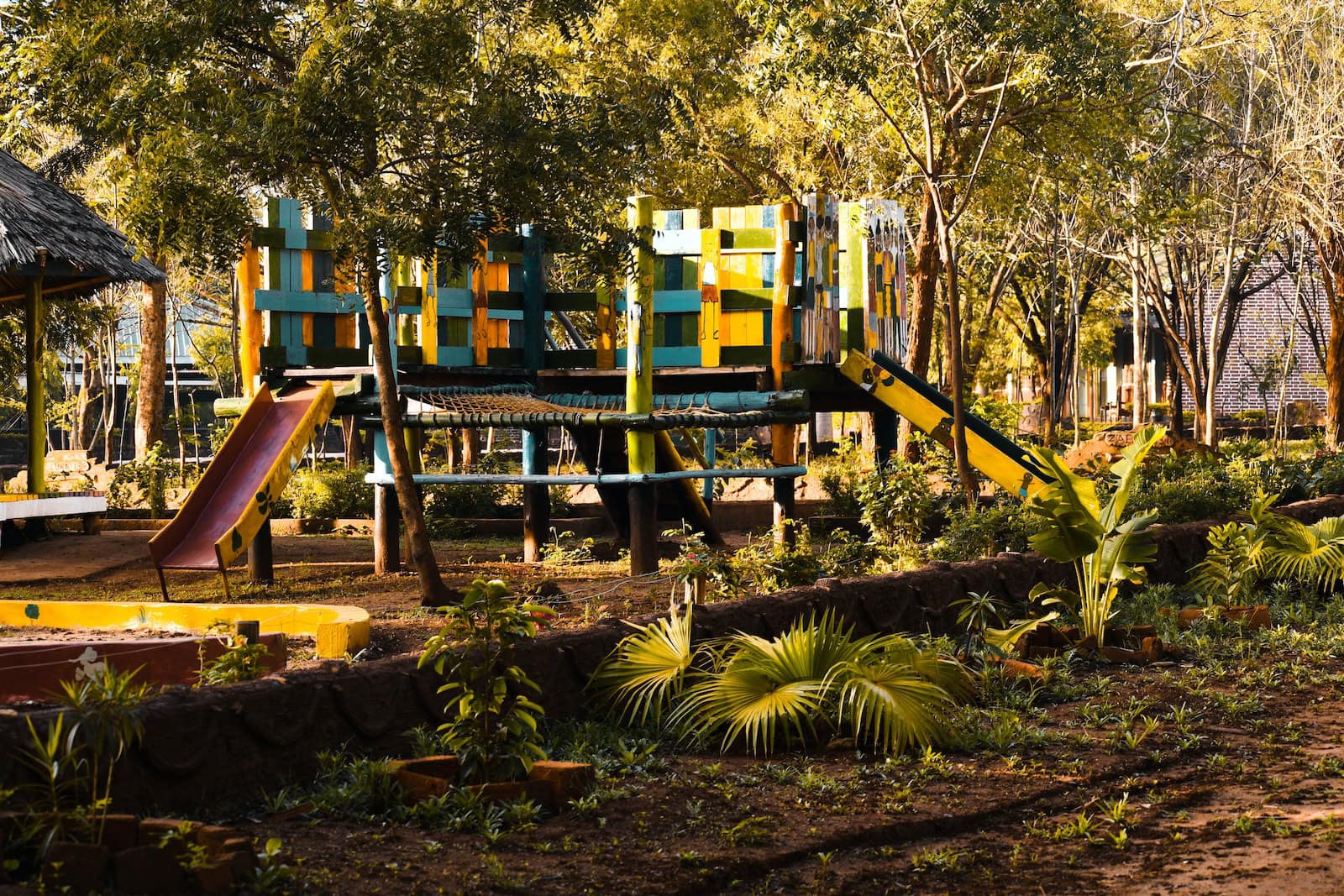

Children’s Perspectives of Neighbourhood Spaces: Gender-Based Insights From Participatory Mapping and GIS Analysis

Beyond green: Unveiling the impact of urban park quality and greenery on children’s physical activity

EXPLORING THE NEXUS: DESIGN CHARACTERISTICS OF URBAN LOCAL PUBLIC SPACES AND CHILDREN’S PLAY BEHAVIOR IN BANGALORE, INDIA

SOOPEN: design and assessment of a tailored systematic observation tool to evaluate outdoor play behavior among schoolchildren groups

Parental perspectives on barriers and facilitators of early adolescent outdoor play: A qualitative study

Why we need playgrounds closer to home
Why we need playgrounds closer to home
Playgrounds offer numerous health benefits, serving as spaces for physical activity, social interaction, stress relief, and motor skill development. However, not all communities have equal access, and distance from home can significantly impact how often families visit and use them.
To explore this, Young and colleagues (2023) surveyed 1350 adults at 60 public playgrounds across 10 U.S. cities during the summer of 2021. Their study examined whether distance to the playground from their home was associated with visit frequency, length of stay, and mode of transportation.
By understanding these patterns, city planners and public health officials can design more accessible and better-connected public play spaces to encourage outdoor physical activity and improve community well-being.

The variability and correlates of outdoor play in preschool-aged children

Using the Theory of Affordances to Understand Environment–Play Transactions: Environmental Taxonomy of Outdoor Play Space Features—A Scoping Review

Analysis of the use of public open spaces and physical activity levels in children and adolescents from Rivera (Uruguay)

“He always wanted to be far”: Exploring Expanded Proxies to Design Social Play Experiences with Autistic and Neurotypical Children
Therapeutic Playground: Typology of Solutions and Analysis of Selected Public Playgrounds as Places with Therapeutic Potential

Safety – Premise for play: Exploring how characteristics of outdoor play spaces in urban residential areas influence children’s perceived safety


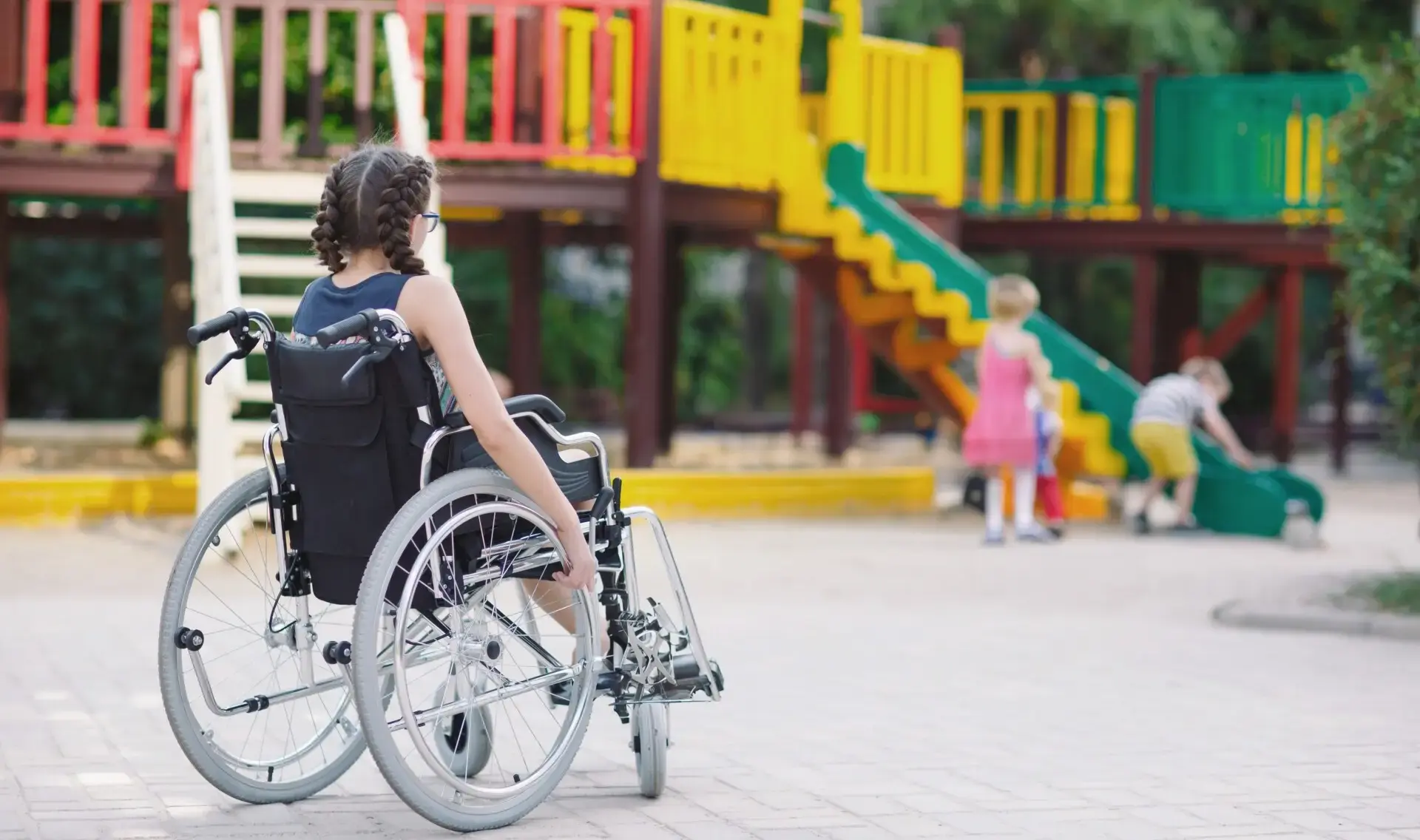
Inclusive playgrounds: Caregiver perceptions of accessibility and use
Multigenerational spaces: the usage and activities of different age groups within six community parks in Victoria, Australia