Your search returned 215 results
Biopsychosocial and Environmental Correlates of Children’s Motor Competence: An Exploratory Study
The Role of Timing and Amount of Outdoor Play in Emotional Dysregulation in Preschool Children

Evaluating the Accessibility and Inclusiveness of Community Playgrounds in Australia for Children with Disabilities
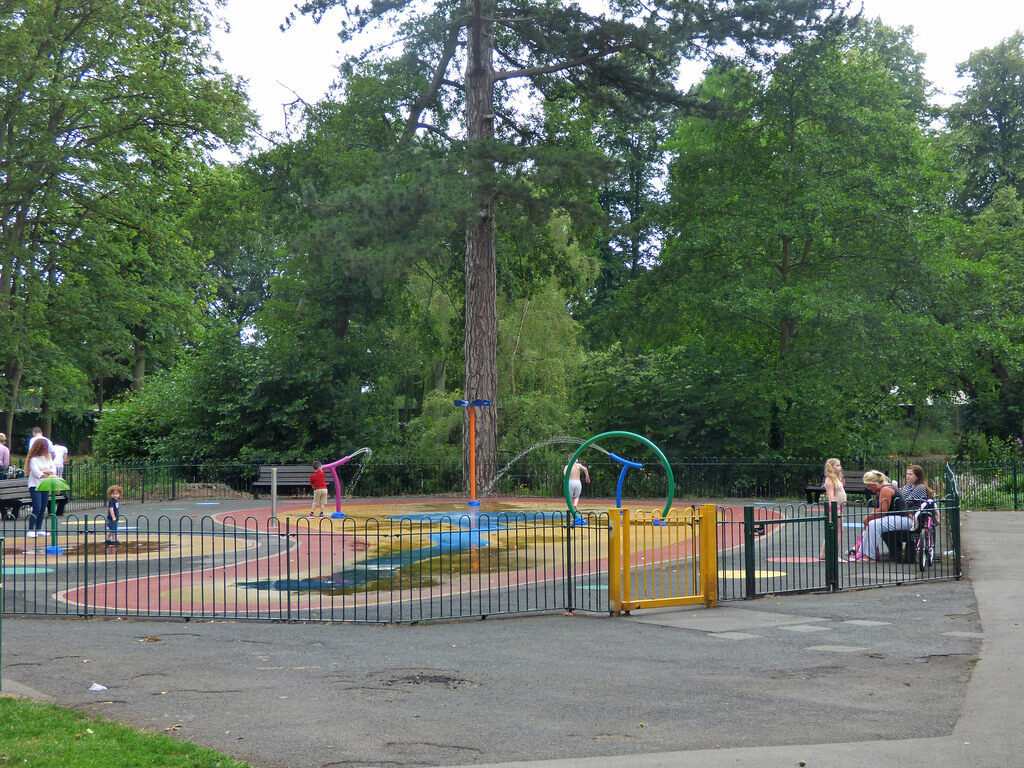
Comprehensive assessment of potential toxic elements in surface dust of community playgrounds in Xi’an, China
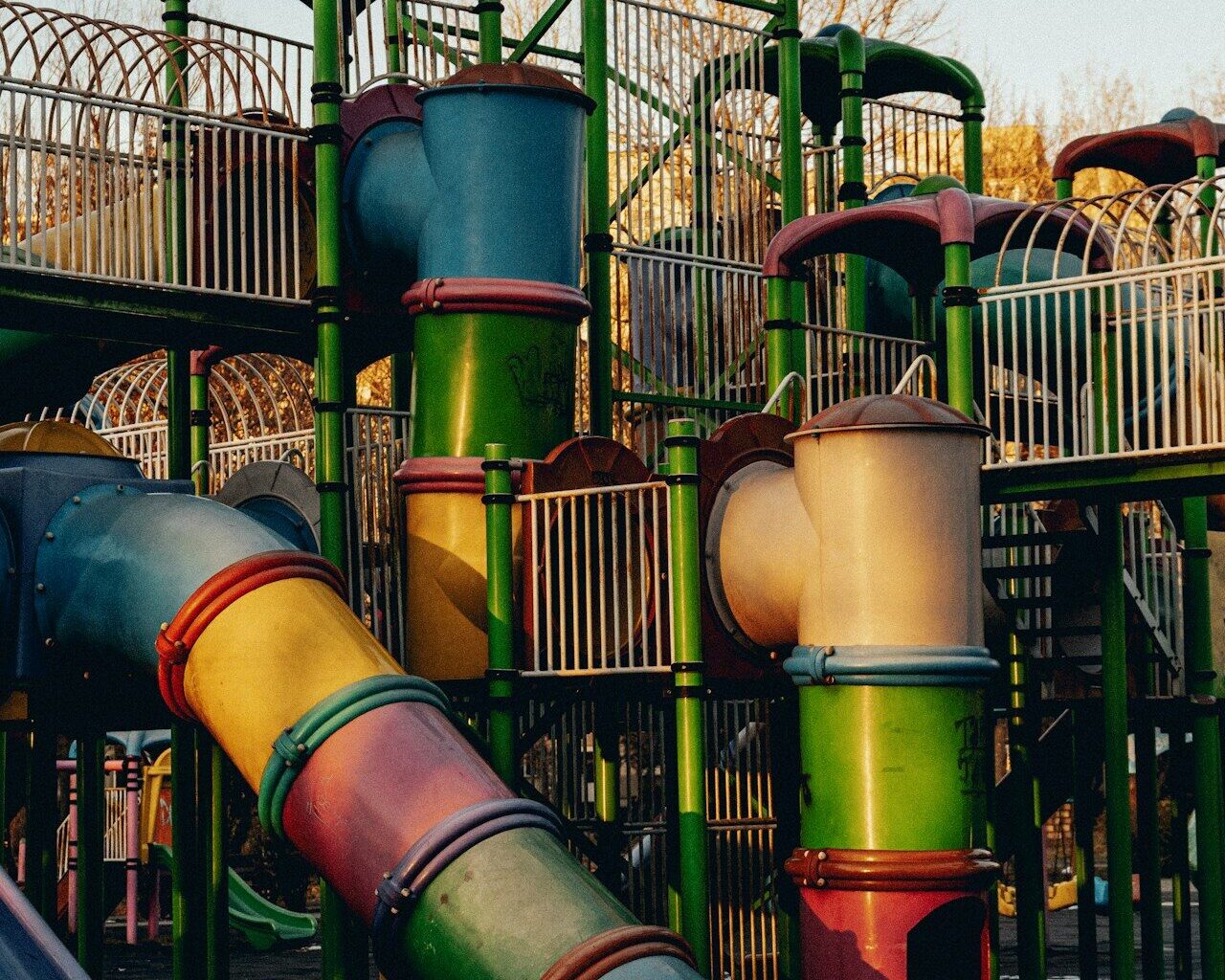
Playgrounds as Residual Areas—Case Study of a Playground Regeneration Proposal in Târgu-Mureș, Romania
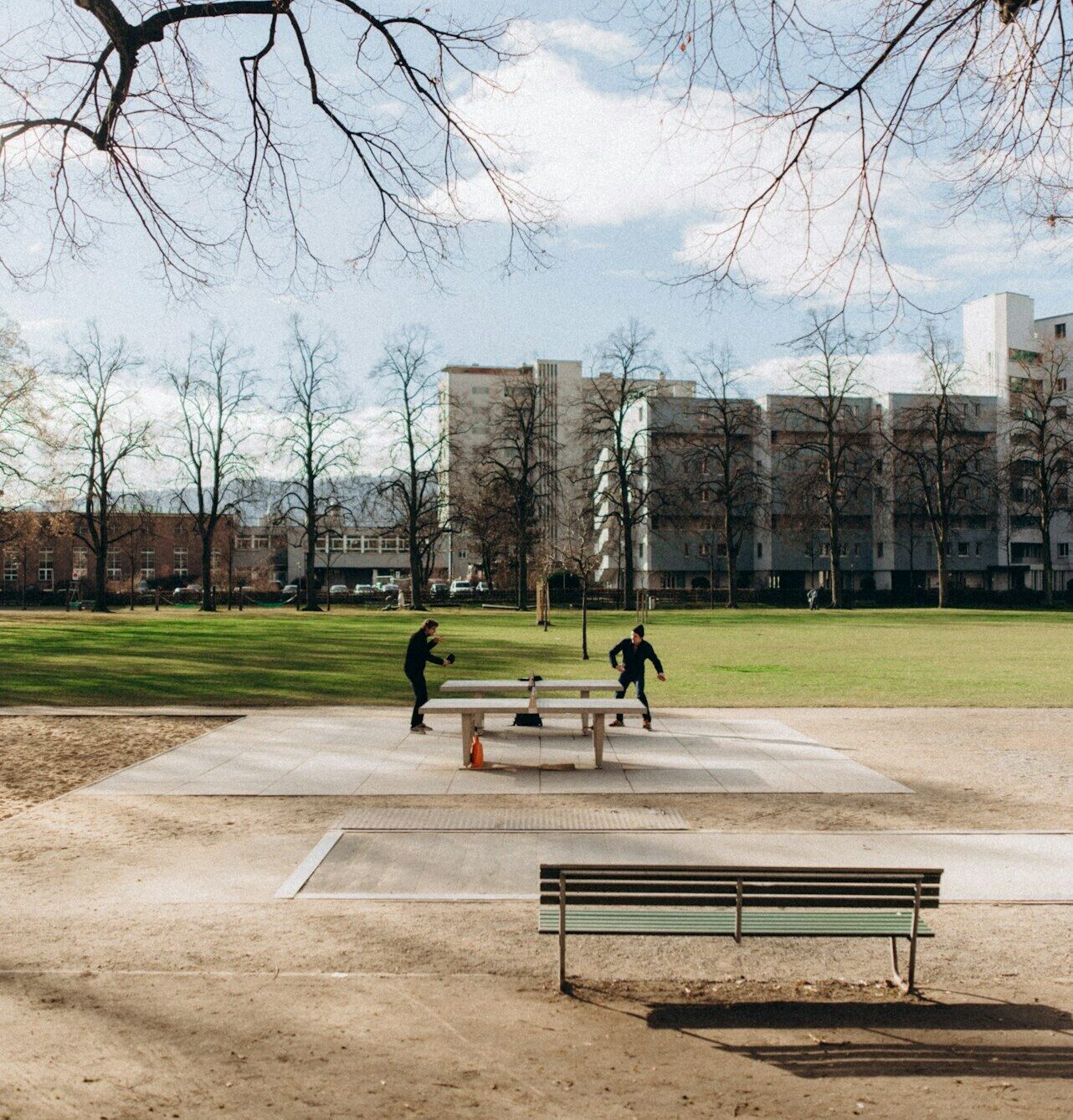
Children’s playgrounds for urban sustainability: (in)accessibility, (un)attractiveness and social (in)equity in Iași and Bacău municipalities (Romania)
Inclusive beyond the swings and slides: Exploring access and equity in Hong Kong’s playground

Growing up in a cage: challenges of outdoor play for urban children in a northern Bangladesh city

The impact of high-density urban environments on children’s play, a systematic review of current insights
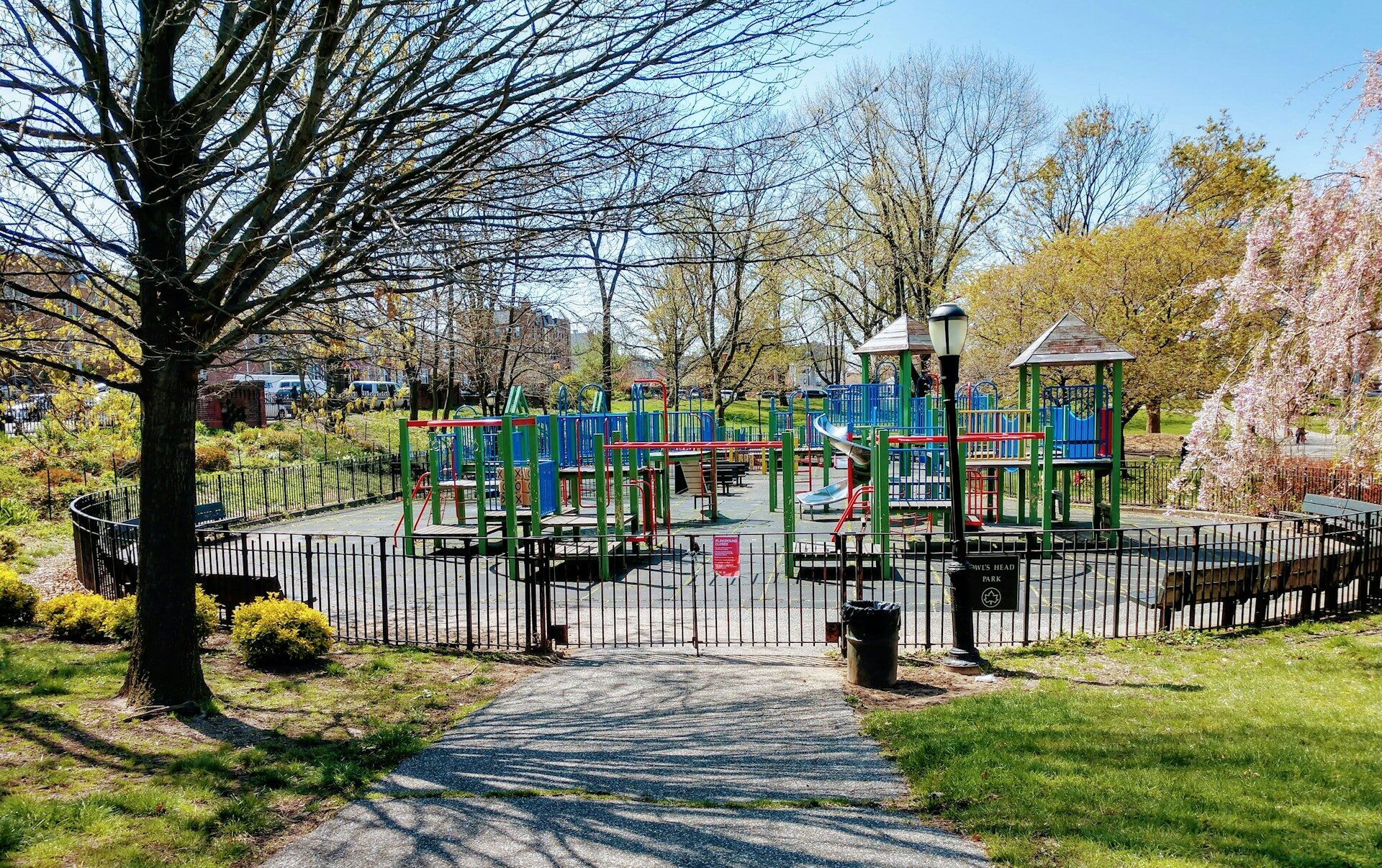
From the perspective of children and parents: What makes communal open spaces in multi-story residential neighborhoods child-friendly?
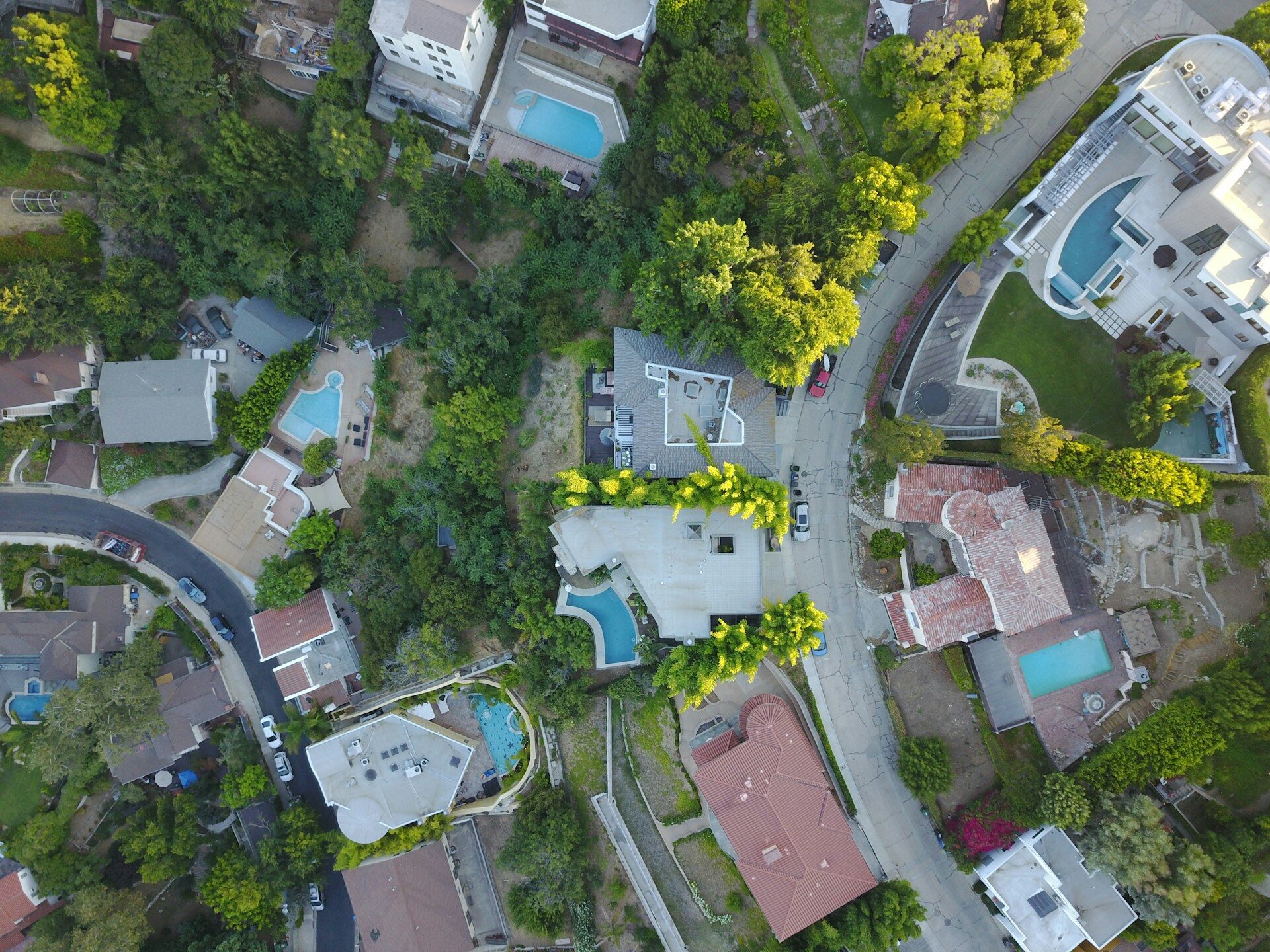
Australian guidance documents informing nature playspaces for children: a scoping review
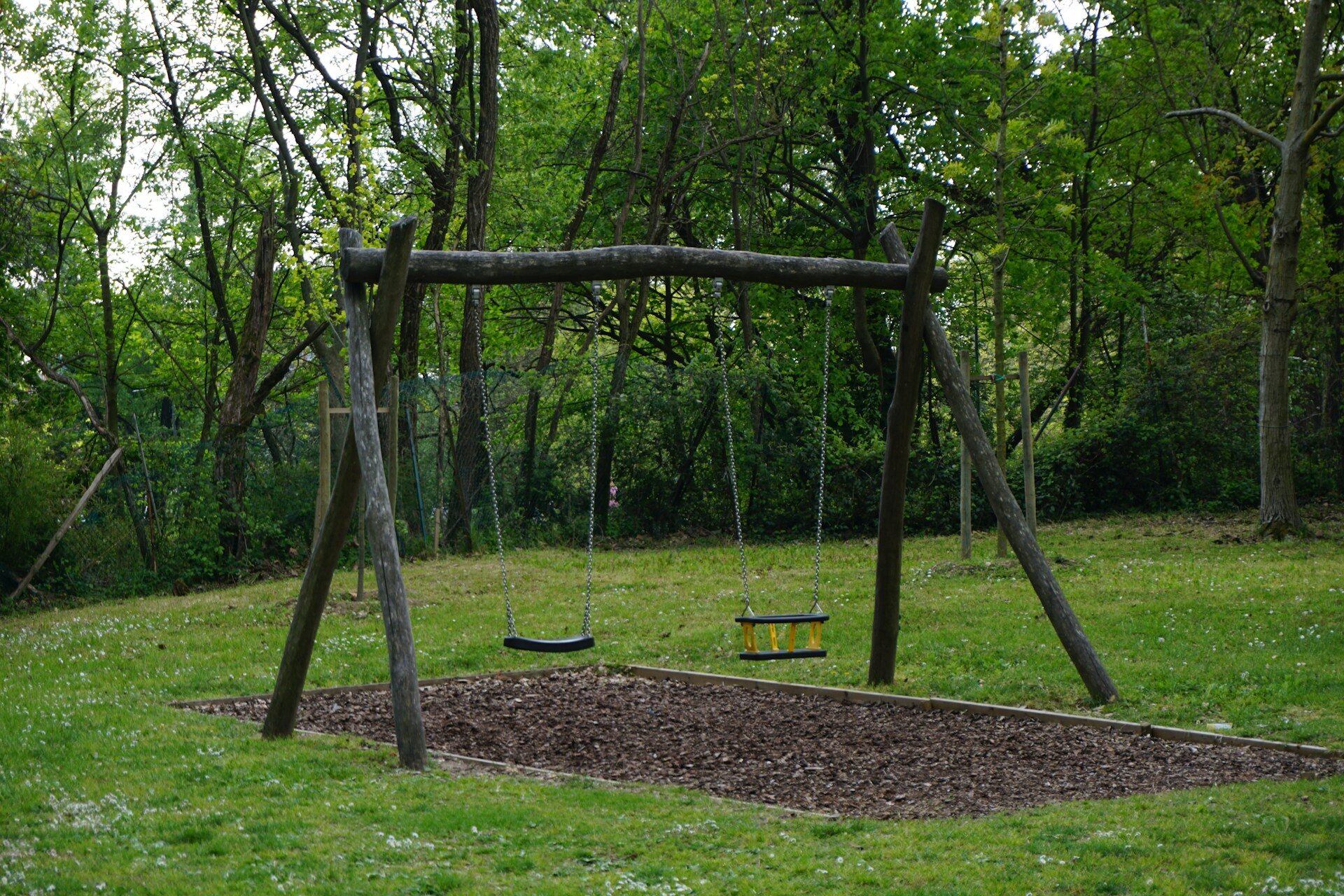

Playscapes – development of a web map of play spaces


Mitigating the effects of climate change in children’s outdoor play environments
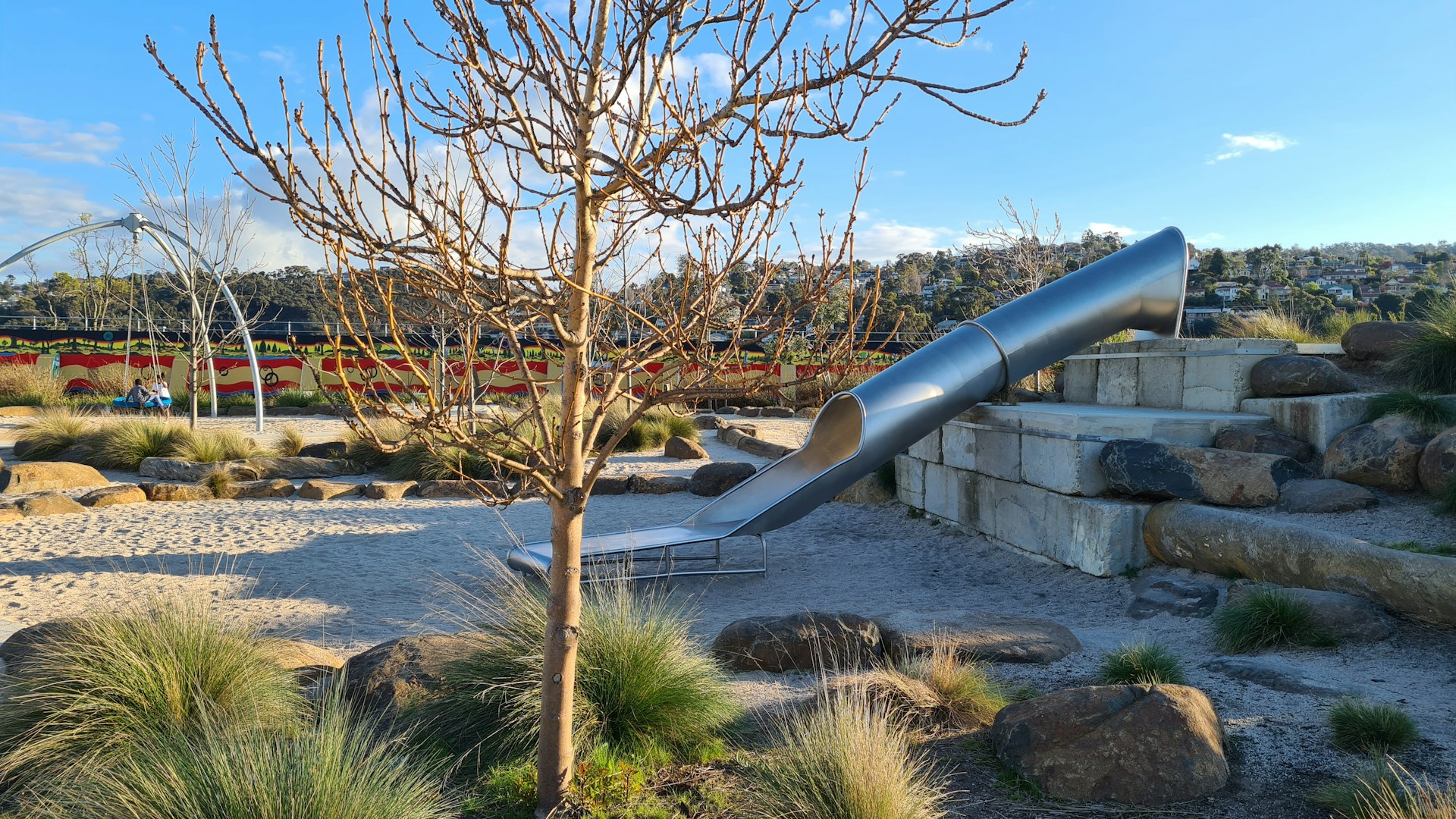
The impact of public playgrounds on children’s health
The impact of public playgrounds on children’s health
Active outdoor play is crucial for children’s health and development, and playgrounds in public open spaces, such as parks or community areas, provide an ideal space for it.
However, the importance of these playgrounds’ use for health and well-being is still unclear.
As part of the World Playground Research Institute’s comprehensive scoping review conducted in 2024*, 55 studies related to playgrounds in public open spaces were extracted from all published research on playground use and its health benefits for children.
The aim was to create a clearer and more detailed overview of public playgrounds’ impact on children’s well-being.
In this brief, we summarize key insights from the scoping review, aiming to guide health authorities, city planners, and policymakers in making informed decisions about investments and designs in the area of public open spaces.
It also supports researchers in identifying areas for future research needs.
_



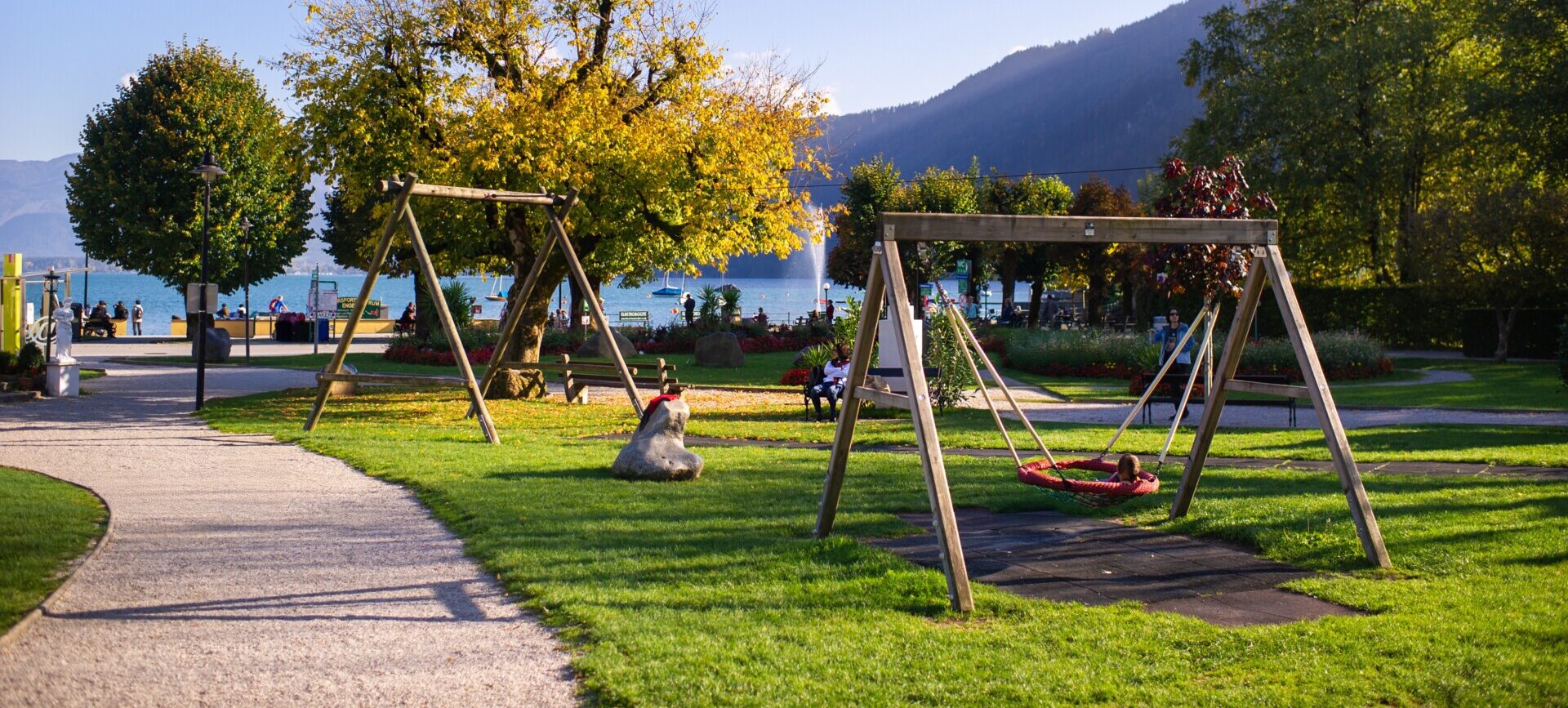

The role of digital design in outdoor play experiences
The role of digital design in outdoor play experiences
Outdoor play is vital for children’s physical, mental, and social well-being.
However, urbanization and the growing use of digital devices have significantly reduced opportunities for outdoor activities in recent years.
To combat this issue, researcher Avin Khalilollahi has dedicated her PhD work to exploring how technology—such as interactive playgrounds and location-based games—can inspire outdoor play by combining digital experiences with physical activity.
This brief summarizes key findings from three of Khalilollahi’s articles, providing actionable insights for city planners, playground designers, policymakers, and researchers in human-computer interaction.
More specifically, it illustrates how digital tools can support outdoor play among children aged 4 to 12.