Your search returned 215 results
Usability of Public Play Spaces for Children with Disabilities

Understanding the experiences of parents of disabled and non-disabled children at playgrounds designed for disability inclusion

The availability between recreational facilities and physical activity of US adolescents

A Playground and Arts for a Community in Transition: A Circular Model for Built Heritage Regeneration in the Sanità District (Naples, Italy)
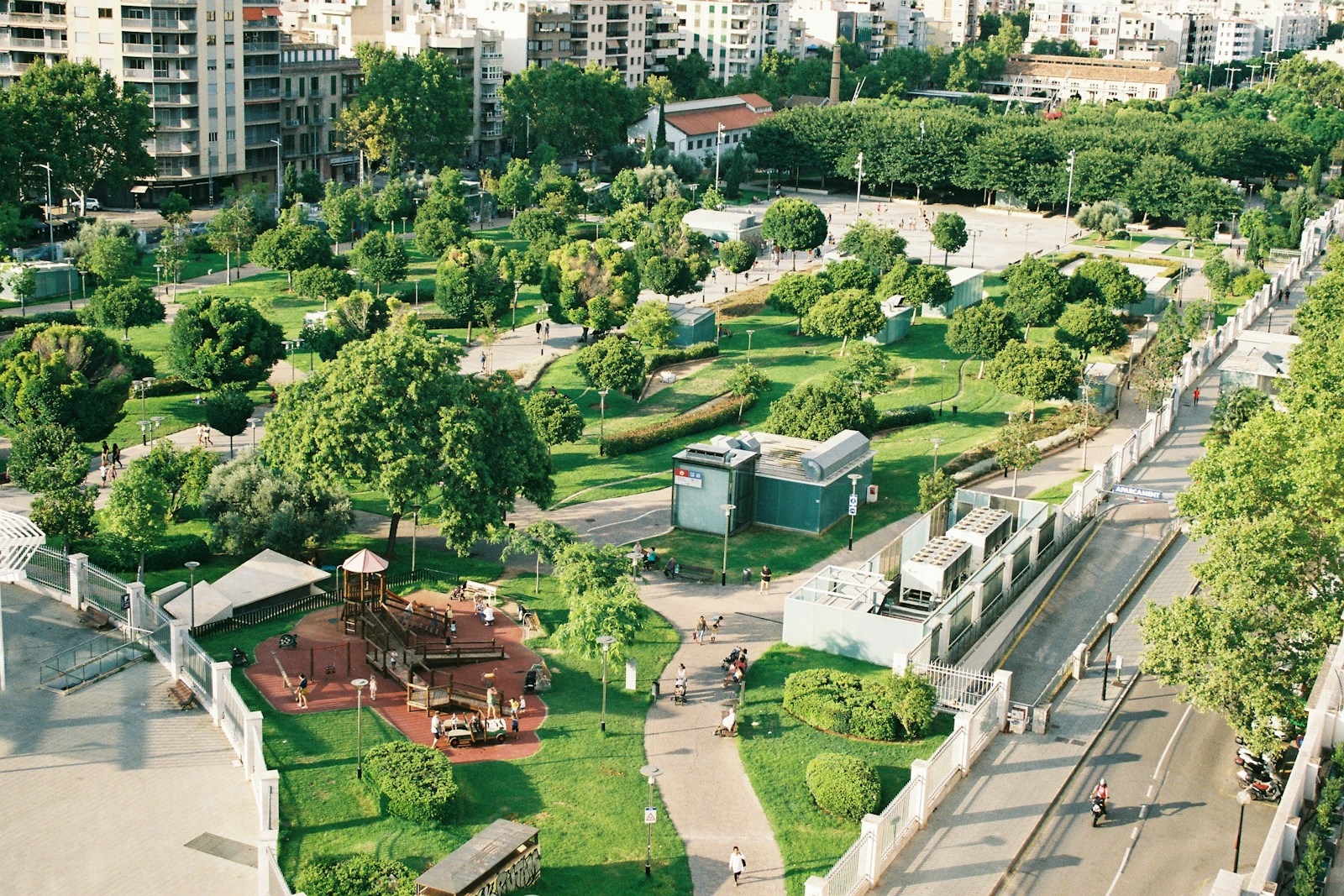
Promoting public playgrounds usage and children’s physical activity with sports activities: A quasi-experimental study

Overheated children’s playgrounds in Central European cities: The effects of surfaces and shading on thermal exposure during hot summer days

Nature and digitalization challenging the traditional playground

From fun to function: PPGIS unlocks the power of play in cities

Playground Equipment: Postdigital Design and the Mechanics of History, Urban Space, and Play

Let’s Play Something New!: Designing for Digital Malleability in Outdoor Playgrounds
Universal Design in Playground Environments: A Place‐Based Evaluation of Amenities, Use, and Physical Activity

Creating child-friendly neighborhoods
Creating child-friendly neighborhoods
Over the past few decades, spatial conditions have changed dramatically. The term “domesticated childhoods” highlights the increasing dominance of indoor settings over outdoor environments. Today, children spend more time at home, in daycare centers, and in schools, leading to significant limitations in outdoor play.
However, free (outdoor) play remains crucial for children’s development. It helps them gain independence, understand social rules, develop autonomy, and build self-confidence.
The “Raum für Kinderspiel!” [“Space for children’s play!”] study investigated play opportunities for over 5,000 children in southwest Germany. The researchers conducted standardized surveys, exploratory walks with children, analyzed children’s drawings, environmental inventories, and interviewed urban experts. The findings highlight how the quality of urban residential areas can impact children’s daily lives, development, and overall well-being.
This brief summarizes the study’s key insights, offering valuable information for city planners, architects, policymakers, and other professionals involved in urban planning and development.


B-Challenged
An alarmingly low number of children meet public health guidelines for physical activity and healthy dietary behaviors, and are at increased risk of developing lifestyle-related diseases. Importantly, this burden is already unequally distributed at an early age. Unhealthy lifestyle behaviors are driven by complex mechanisms that differ across boys and girls growing up under different socio-economic circumstances.
Outdoor play is an important contributor to children’s levels of physical activity. Yet, children growing up in underprivileged neighborhoods play less outside due to limited access to safe and attractive outdoor spaces and appropriate and affordable after-school activities than other children. At the same time, today’s children have abundant access to inexpensive energy-dense foods and online sedentary activities.
B-challenged aims to tackle the complexity of equality in children’s active outdoor play and healthy dietary behaviors by co-creating, implementing, and evaluating interventions in the physical and social environment together with children growing up in socio-economically underprivileged neighborhoods and other key actors (e.g., parents, teachers, and policymakers).
Our study
This study is an EU project and will be conducted in underprivileged neighborhoods across four countries: the Netherlands, Poland, Spain, and Denmark. The Danish segment of the study is led by the World Playground Research Institute and will be centered in Rudkøbing, Langeland.
Watch a video about phase 1 in the Danish part of B-Challenged here.



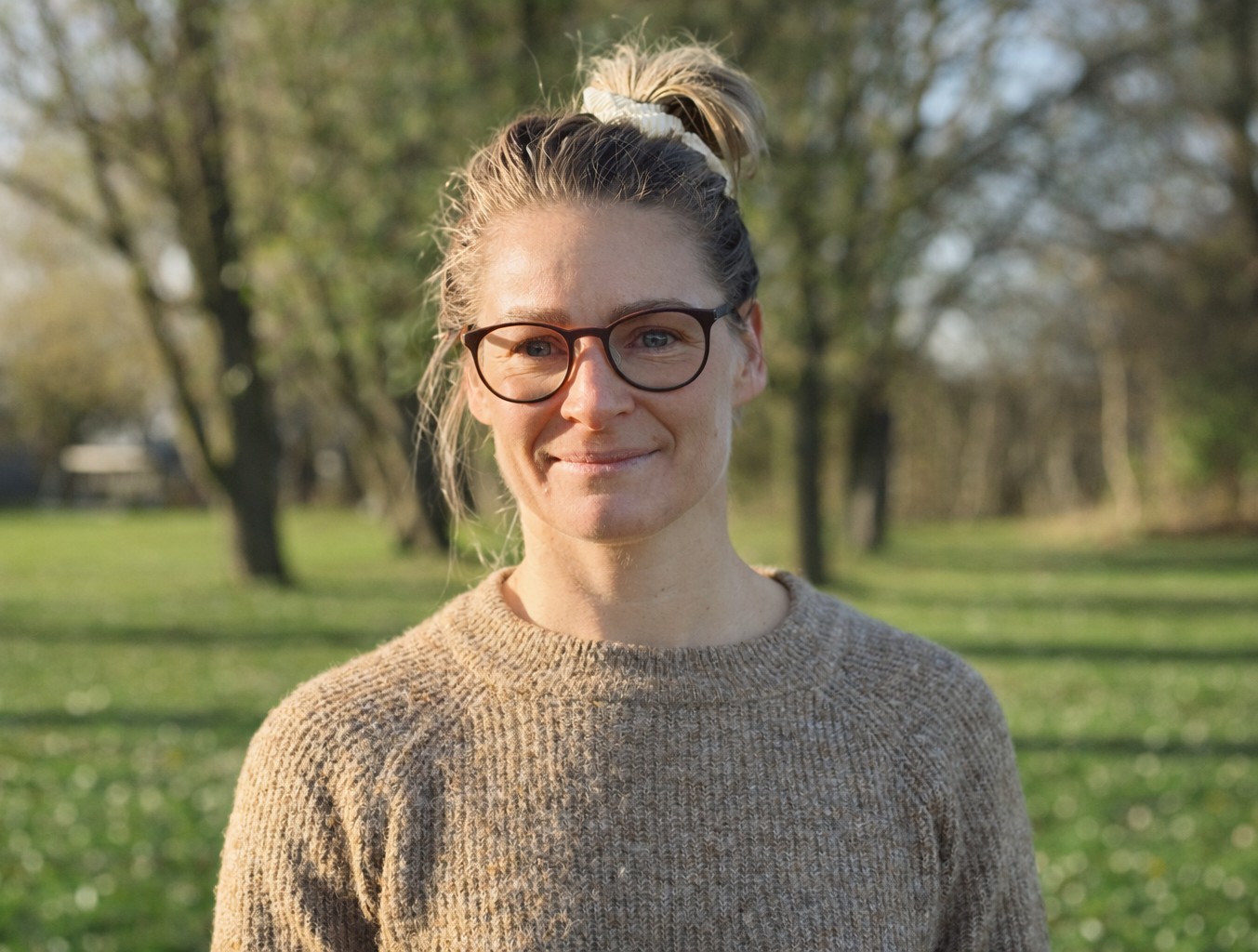
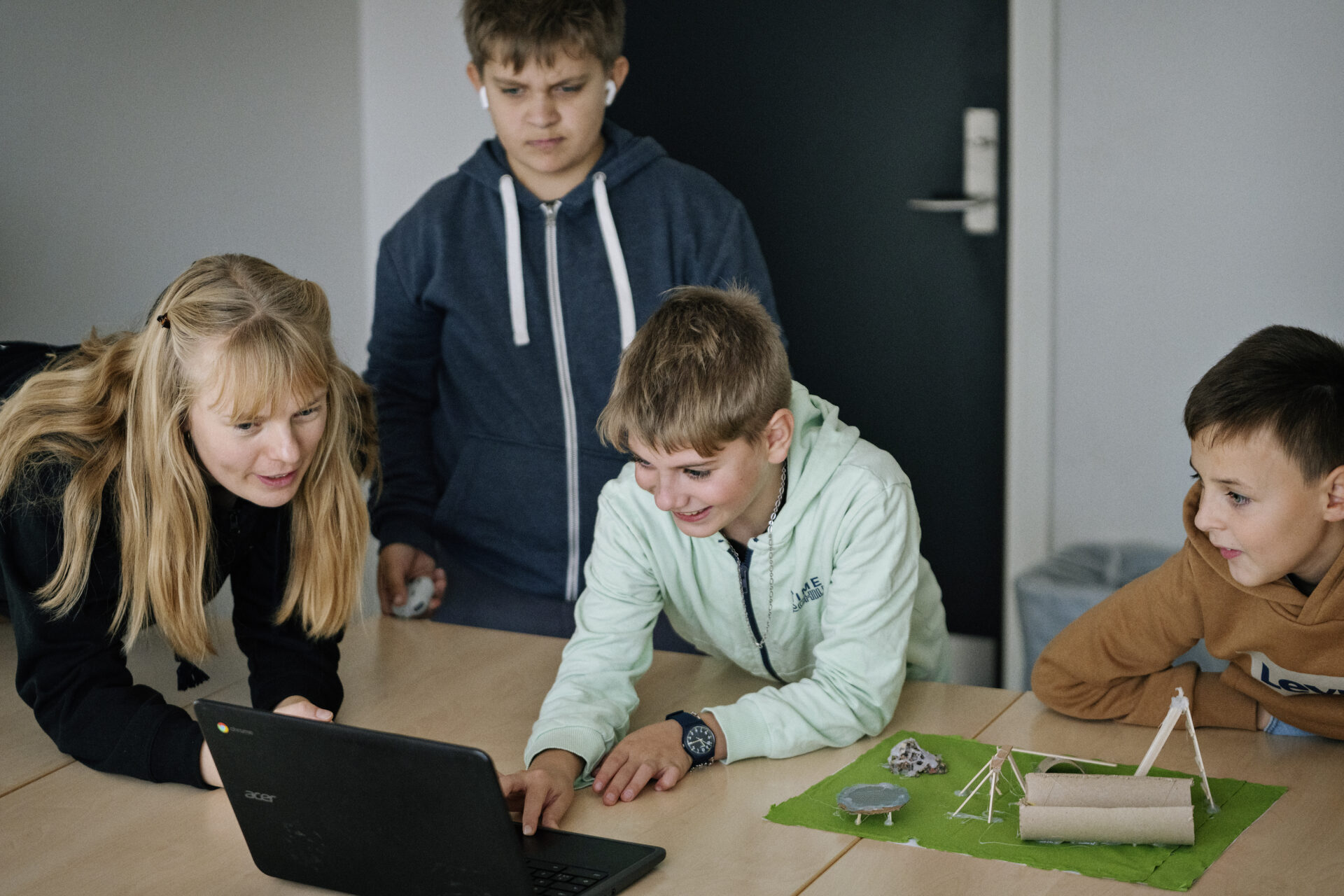
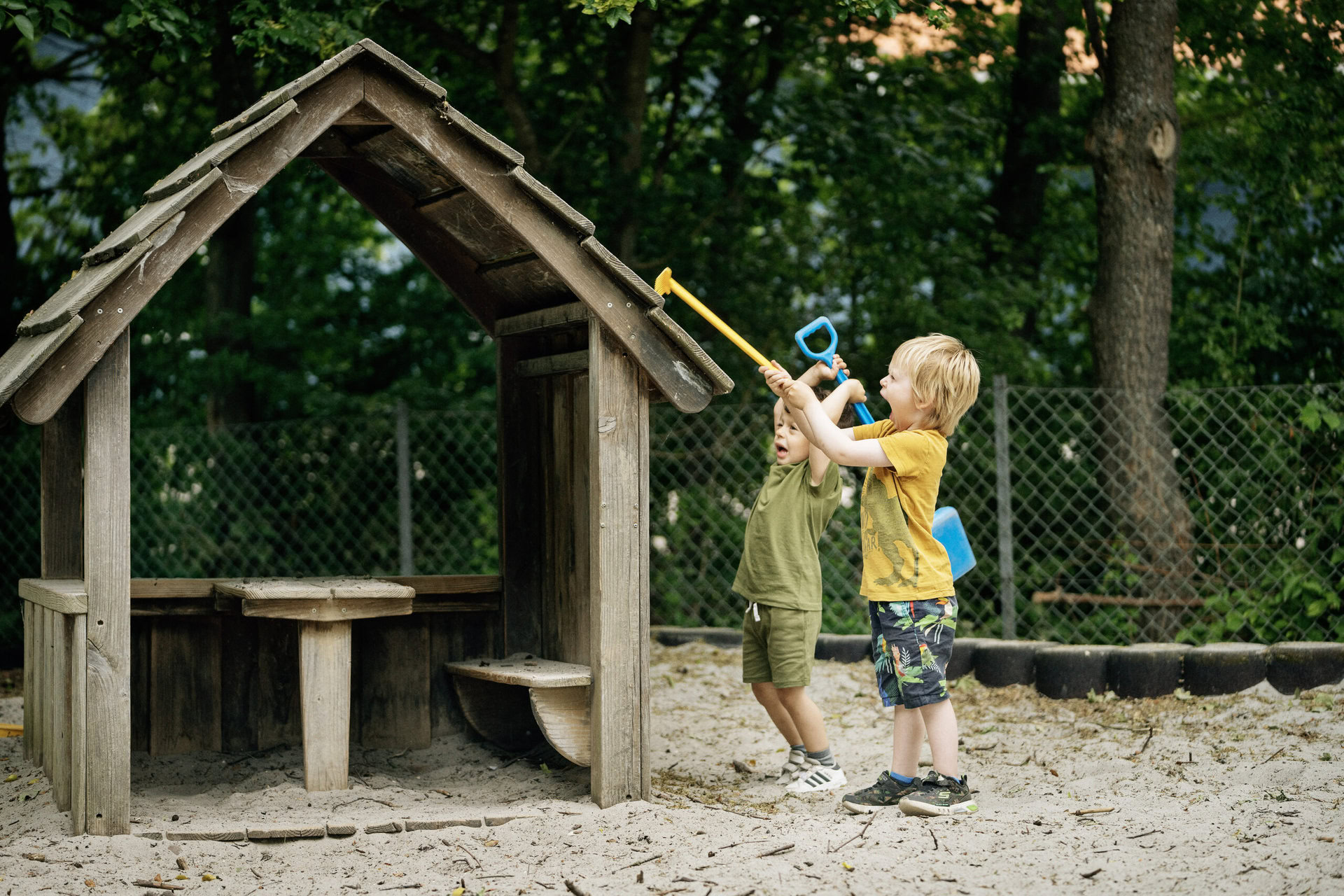

Activating public playgrounds through organized sports activities
Activating public playgrounds through organized sports activities
Playground usage among children is often influenced by various physical factors such as the overall design, or availability of playground structures.
Social factors, like organized activities led by a neighborhood sports coach, can also play a vital role, particularly during after-school hours and weekends. These activities create a safe and accessible environment for kids to engage in physical and social interactions.
However, more research is needed to understand the effectiveness of this approach in increasing playground usage and physical activity levels, as well as understanding potential gender differences.
This brief presents key findings from a study by Sander Bliekendaal & Joske Nauta (2024) investigating children’s physical activity levels and playground usage. The study evaluated playgrounds with organized School Playgrounds Sports (SPS) activities to similar playgrounds without SPS programs. Among the offered SPS activities were, for instance, soccer and flag football.
The objective of this study was to evaluate the impact of organized sports activities on children’s playground usage and physical activity intensity.
This brief is particularly relevant for local sports providers, policy makers, and other professionals involved in playgrounds and city policies related to sports and physical activity in public areas.

Which park features are essential for promoting physical activity in children?
Which park features are essential for promoting physical activity in children?
Research has shown that in lower-income and diverse neighborhoods, parks play a vital role in children’s active lives.
Parents’ and caregivers’ preferences for parks significantly influence children’s activity levels, and understanding these dynamics is crucial for addressing health disparities, particularly in African American and Latino youth, as well as those from low-income families.
In this brief, we highlight key findings from two studies, stressing the need for effective programs, environments, and policies to promote active lifestyles. This includes utilizing parks and playgrounds as free resources for play and physical activity.
This brief is relevant for playground, city, and park planners, as well as researchers and professionals engaged in the planning and design of public open spaces.


Park attributes that encourage park visitation among adolescents: A conjoint analysis
