Your search returned 215 results
Comparing the features of parks that children usually visit with those thatare closest to home: A brief report
Children’s ratings of park features that encourage park visitation, physical activity and social interaction

Adolescents’ ratings of features of parks that encourage park visitation and physical activity
Exploring Children’s Views on Important Park Features: A Qualitative Study Using Walk-Along Interviews
Examining the Features of Parks That Children Visit During Three Stages of Childhood
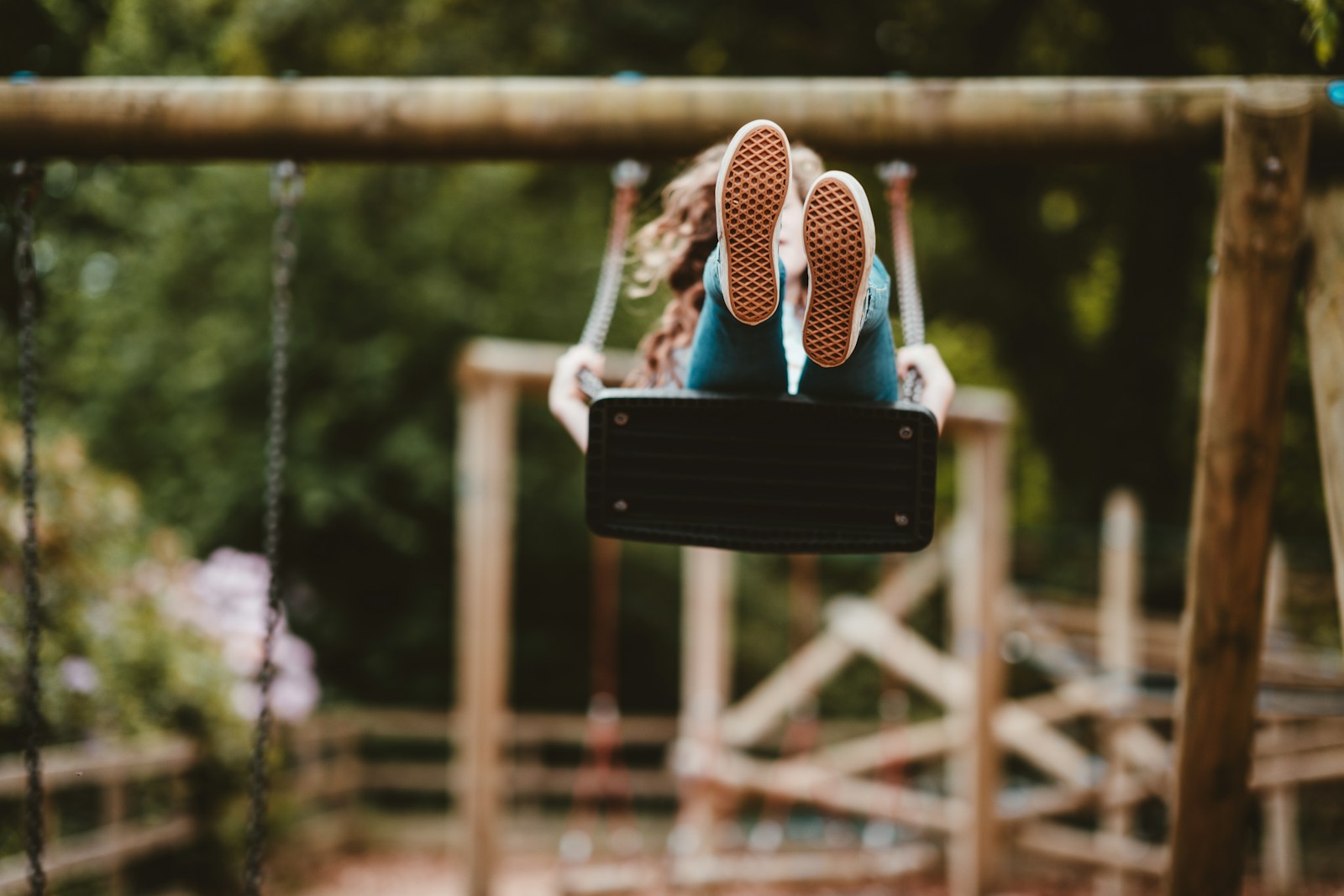
Understanding children’s preference for park features that encourage physical activity: an adaptive choice based conjoint analysis
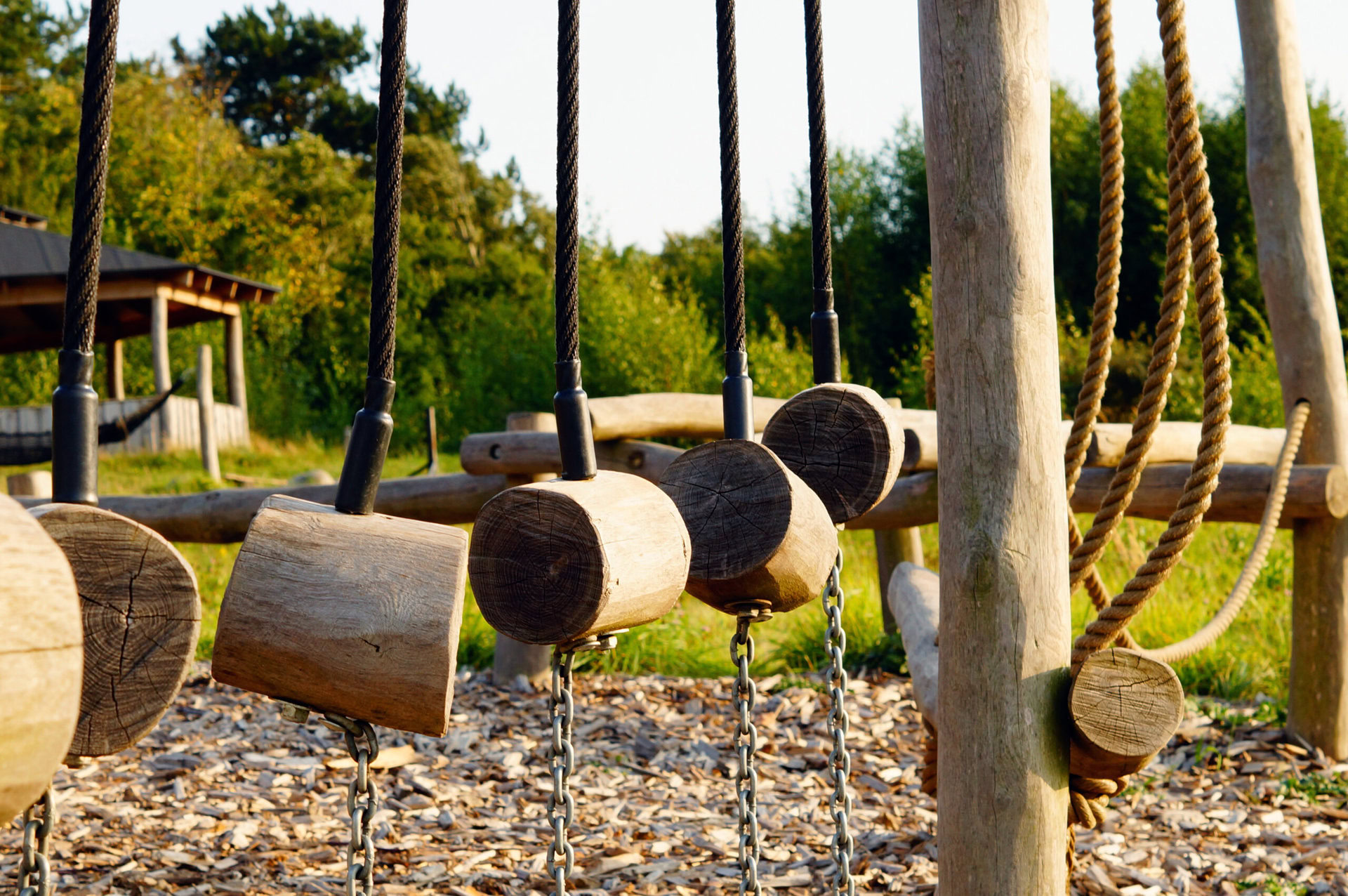

How do parental attitudes toward risk and injury relate to children’s physical activity?
How do parental attitudes toward risk and injury relate to children’s physical activity?
Children can benefit from adventurous play.
It can build independence, resilience, and emotional regulation skills, as well as contribute to mental well-being. Furthermore, these activities are often vigorous and can substantially increase children’s moderate-to-vigorous levels of physical activity (MVPA).
In this brief, we highlight key results from an article published in 2024 that investigates the relationship between parent attitudes to risk and injury*, and their elementary school-aged child’s daily adventurous play and MVPA in Australia.
The study draws from a sample of 645 Australian parents or guardians who completed an online survey comprising validated measures investigating children’s physical activity, active play, and adventurous play, and their attitudes towards risk and injury.
For example, parents were asked about the average daily time their child spent engaged in active play, with provided examples illustrating various types of activities and settings, such as climbing high or jumping off elevated surfaces.
This brief aims to offer valuable information for practitioners and policy makers who are interested in designing interventions to enhance children’s opportunities for adventurous play and physical activity outdoors.
*Risk and injury are addressed in the article regarding risky play, which the authors define as ”thrilling and exciting forms of physical play that involve uncertainty and a risk of physical injury” (Sandseter, 2010).

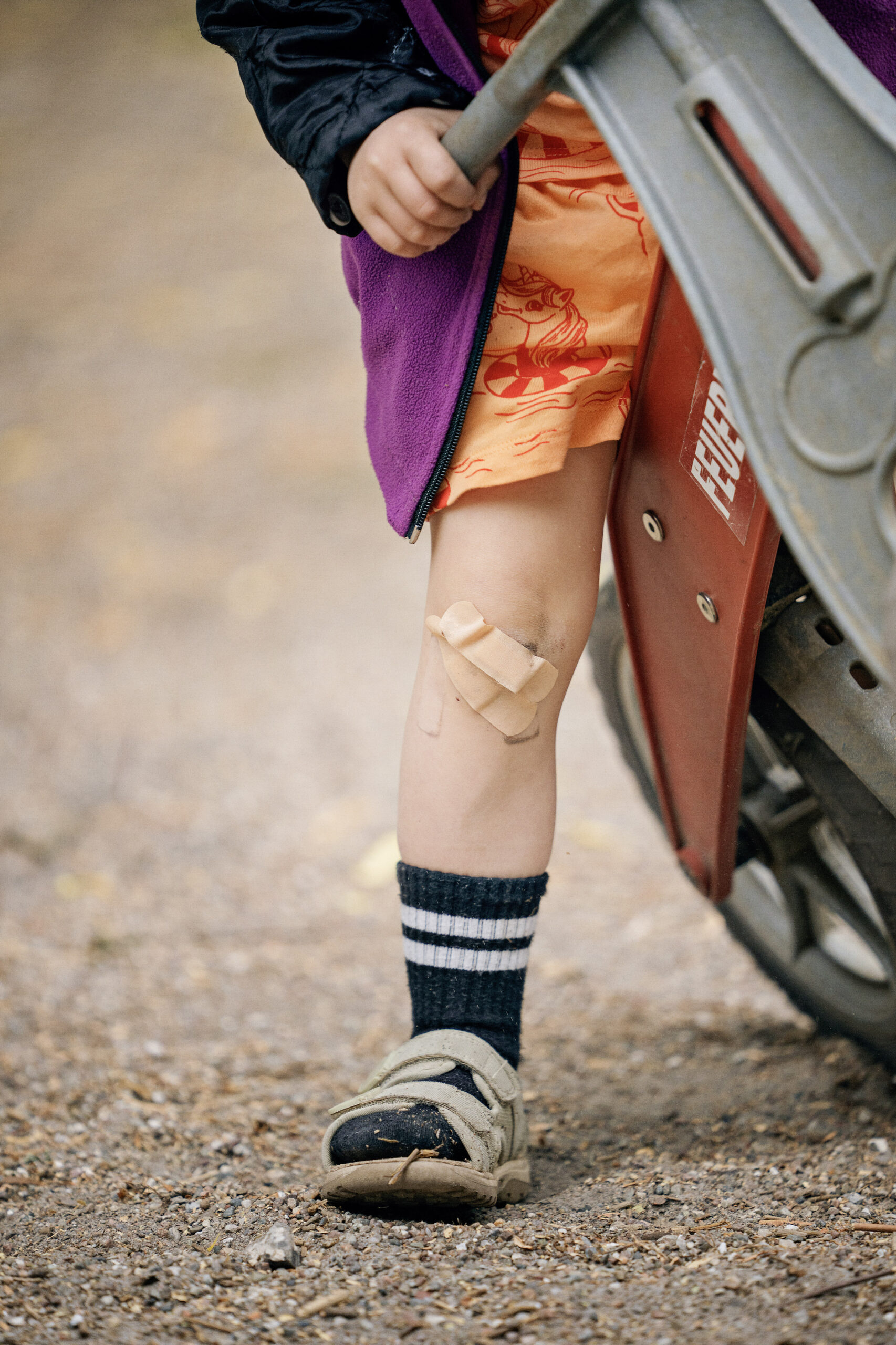
“Children can play anywhere and everywhere”
“Children can play anywhere and everywhere”
Children are more active outside than inside. Playing outdoors in contact with sunlight and nature not only influences children’s health and personal development but also sharpens their motor and social skills.
Outdoor play contributes to children’s mental health and wellbeing, and children who engage in outdoor activities daily tend to be happier than their indoor counterparts.
However, there is a need to explore their interaction with outdoor environments and activities, especially during free time after school, while also identifying gender and age differences.
The insights presented in this brief are drawn from an article published in 2023. The authors closely observed 1,127 children aged 0-18 after school hours across three cities with diverse populations in the Netherlands.
This brief can serve as a valuable resource for policy-makers and decision-makers engaged in the planning, design, and maintenance of outdoor play spaces. It is equally relevant for researchers and professionals seeking to create inclusive play spaces that cater to everyone’s needs.
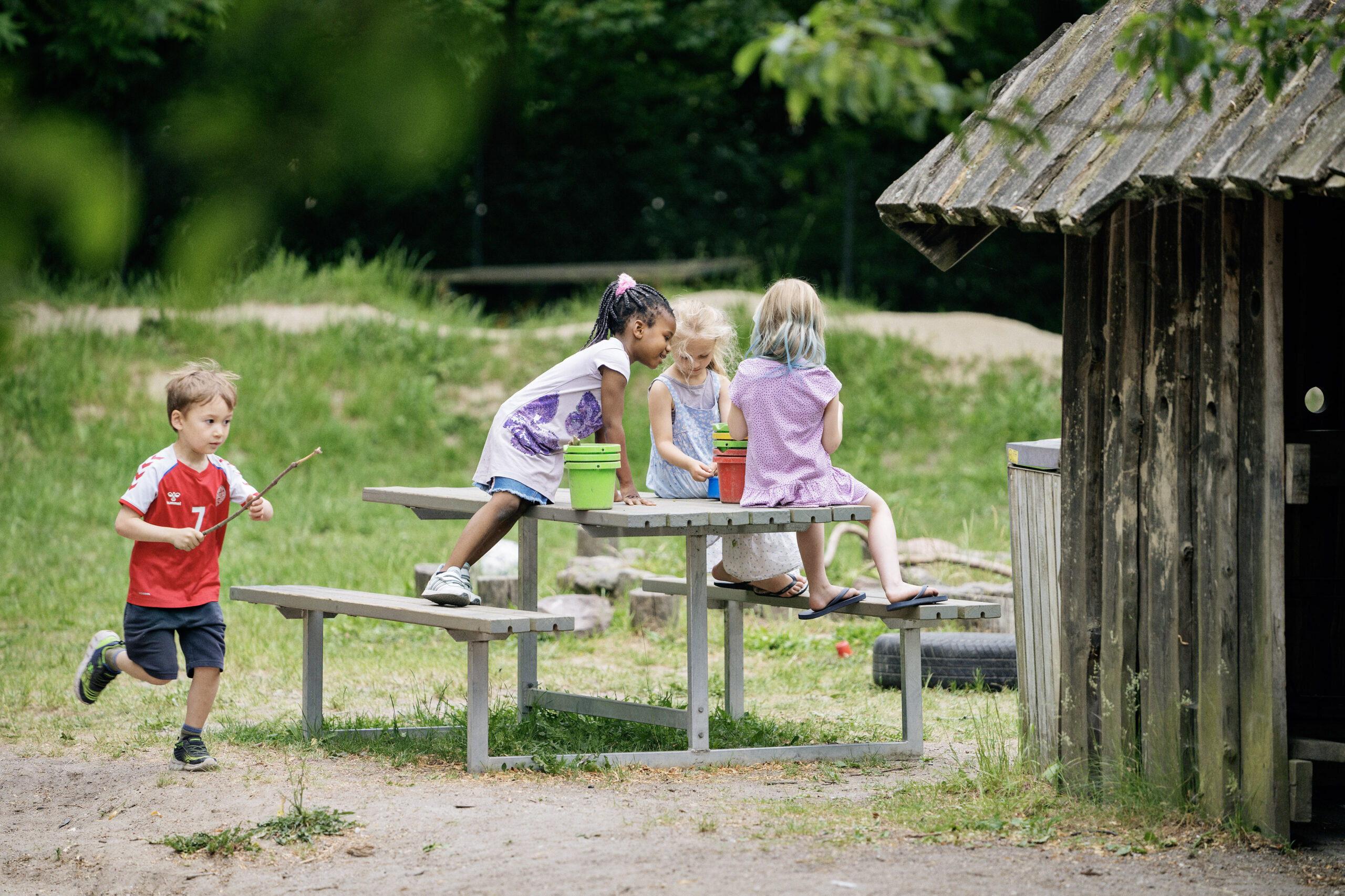
What is the future of playground design?
What is the future of playground design?
Explore the future of playground design in this brief, unveiling key insights from a 2023 article that compares traditional playgrounds with innovative designs*. The focus is on understanding how the design of a playground may influence usage and promote physical activity.
Globally, inactivity poses a significant health risk making it crucial to research how playground design can encourage physical activity for improved overall health and well-being. Additionally, the highlighted study investigates the role of neighborhood contextual factors.
The authors selected 30 traditional and 30 innovative playgrounds across ten U.S. cities. Utilizing the System for Observing Play and Recreation in Communities, they recorded user numbers and characteristics through 19 hourly observations per playground over a one-week period during the summer of 2021.
This brief is especially relevant for playground planners, designers, architects, as well as researchers and professionals involved in planning and designing playgrounds.
*Innovative playgrounds feature varied surfaces, natural play areas, open-ended structures, and movable equipment, and go beyond traditional post-and-platform structures.
YoPA – The Youth-centred Participatory Action Study
Many adolescents do not meet the current physical activity guidelines. Interventions targeting adolescents have often yielded disappointing results, primarily due to their lack of context specificity and top-down, adult-driven implementation.
Our primary objective is to collaboratively create, implement, and evaluate activity initiatives to enhance the well-being and physical activity levels of adolescents aged 12 to 18 who find themselves in vulnerable life situations.
Our study
This study will be conducted in vulnerable neighborhoods across four countries: the Netherlands, South Africa, Nigeria, and Denmark.
The Danish segment of the study is led by the World Playground Research Institute and will be centered in the Nørresundby neighborhood in the city of Aalborg. Adolescents from two youth centers in this area will actively participate in tailoring these activity spots.
Read more about this project here: YoPA Linktree.
Find a video about YoPA’s first year here: YoPA’s first year.




Comparison of Urban and Rural Physical Activity and Outdoor Play Environments of Childcare Centers and Family Childcare Homes
Park use preferences and physical activity among ethnic minority children in low-income neighborhoods in New York City
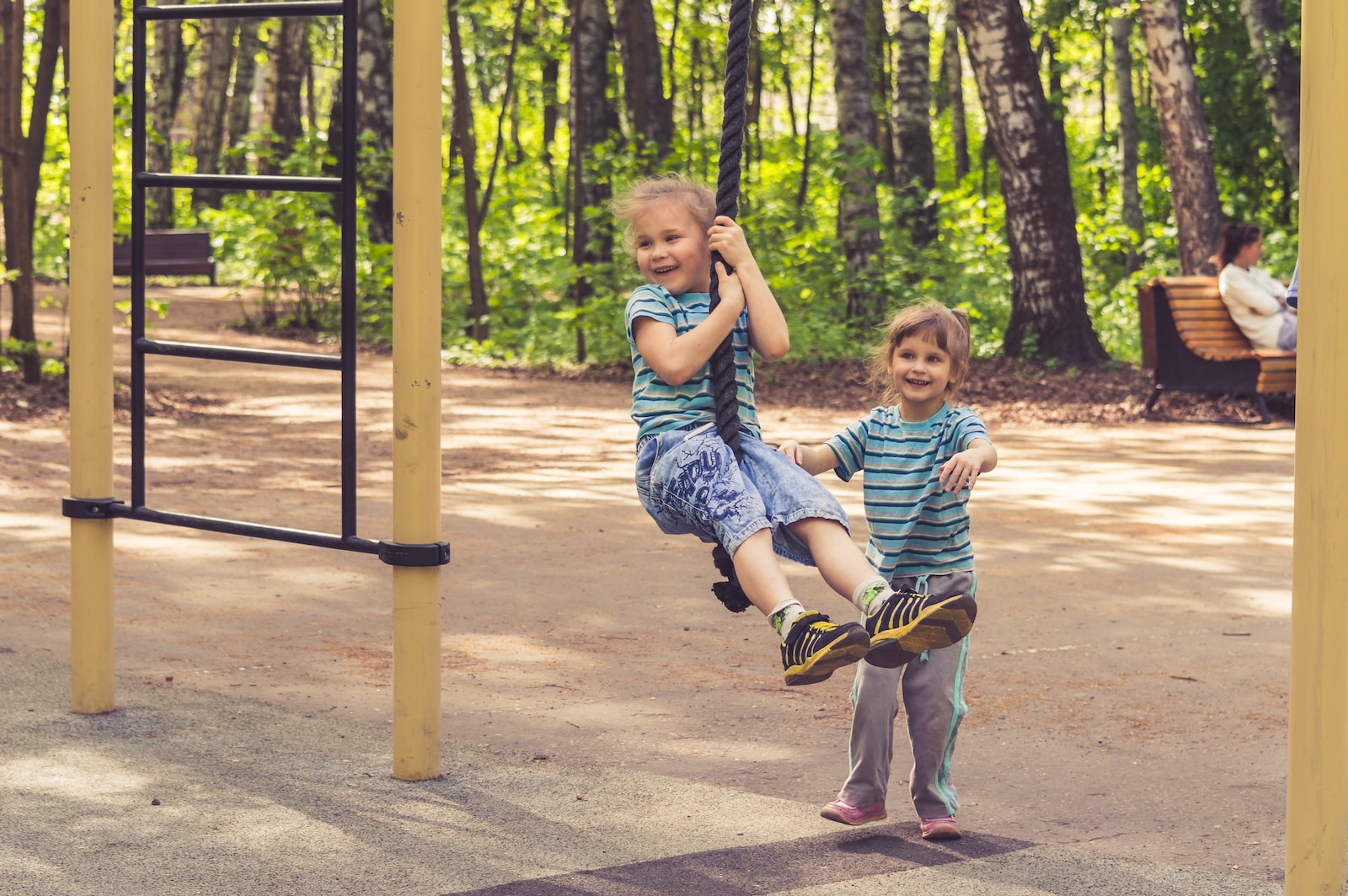
Using accelerometers and GPS units to identify the proportion of daily physical activity located in parks with playgrounds in New Zealand children
Association between participation in outdoor play and sport at 10years old with physical activity in adulthood
Effect of Playground Environments on the Physical Activity of Children With Ambulatory Cerebral Palsy

Physical activity and outdoor play of children in public playgrounds—do gender and social environment matter?
Will the children use it?—A RE-AIM evaluation of a local public open space intervention involving children from a deprived neighbourhood
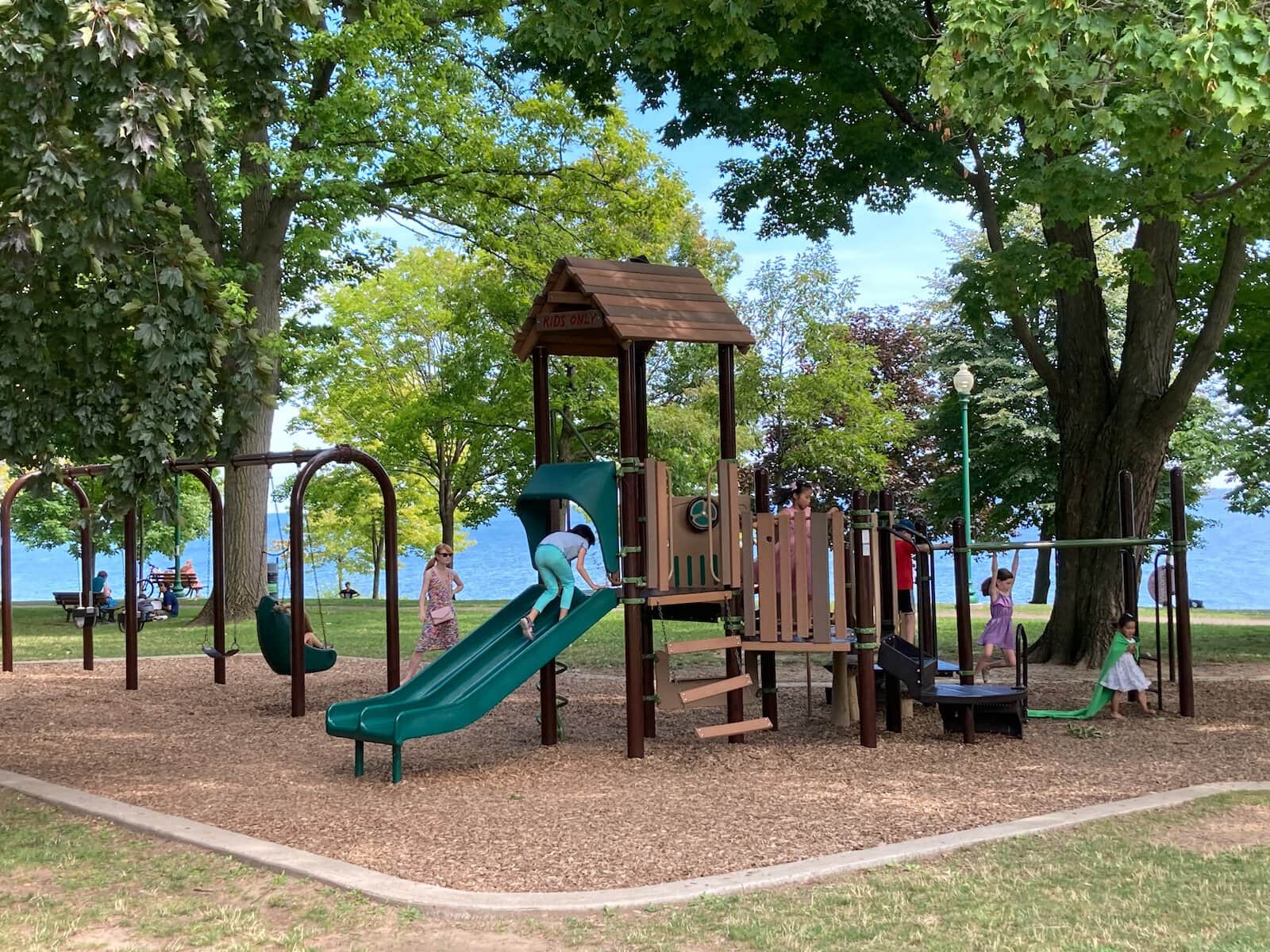
New physical activity spaces in deprived neighborhoods: Does it change outdoor play and sedentary behavior? A natural experiment