Your search returned 215 results
Use of Accelerometry and Global Positioning System (GPS) to Describe Children’s Park-Based Physical Activity Among Racial and Ethnic Minority Youth
Design principles of interactive play systems for children’s outdoor play: A designers’ perspective
Co-creating health interventions for and with children and young people
Co-creating health interventions for and with children and young people
In recent years, health research has increasingly focused on the importance of involving those directly affected by health issues, including children and young people.
Their insights, knowledge, and experiences can play a crucial role in shaping effective health interventions. However, many researchers still face challenges in identifying the most effective ways to involve these young people in the process.
In this brief, we showcase an overview of a scoping review by Larsson and colleagues (2018), providing important insights into studies with varying levels of children and young people’s participation in health research.
Furthermore, we offer recommendations on methodological choices that support meaningful involvement with youth, based on an integrative review by Shamorav and Cummings (2017).
In the end, we highlight the EU YoPA project (2023–2027) as a case study to show how a participatory approach, such as participatory action research, can co-create social and physical environmental interventions with youth.
This brief is particularly valuable to researchers, health and public care specialists, social workers, and other professionals interested in exploring strategies for engaging children and young people in the development of health and well-being interventions.



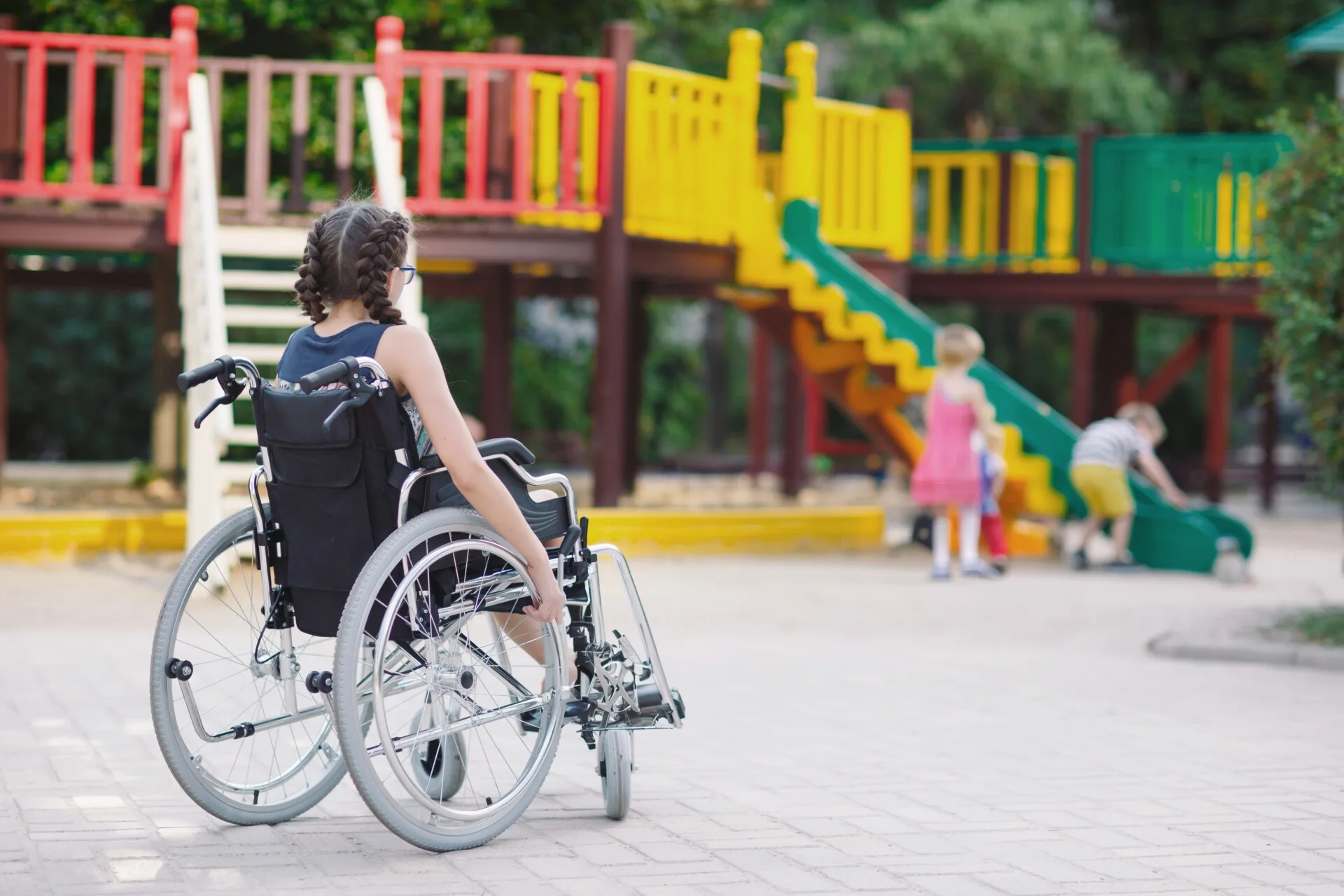
Does changing playgrounds have a positive effect on children’s health?
Does changing playgrounds have a positive effect on children’s health?
Today’s children have far less outdoor playtime than previous generations. This is a concerning trend given the importance of outdoor play for children’s physical, social, and mental development.
By presenting clear evidence of the health benefits of playgrounds, researchers can help convince policymakers and city planners to prioritize playground investments.
To support playgrounds’ prioritization in urban planning, the World Playground Research Institute conducted an extensive review, analyzing 247 key publications to illustrate the health benefits of playgrounds.
In this brief, we present key findings that can guide and provide essential arguments for the (health) benefits of playgrounds. These arguments are particularly relevant for policy makers and city planners working to prioritize and plan for playground investments.
Additionally, this brief may also be useful for researchers and research communities looking for available information on the health benefits of playgrounds.

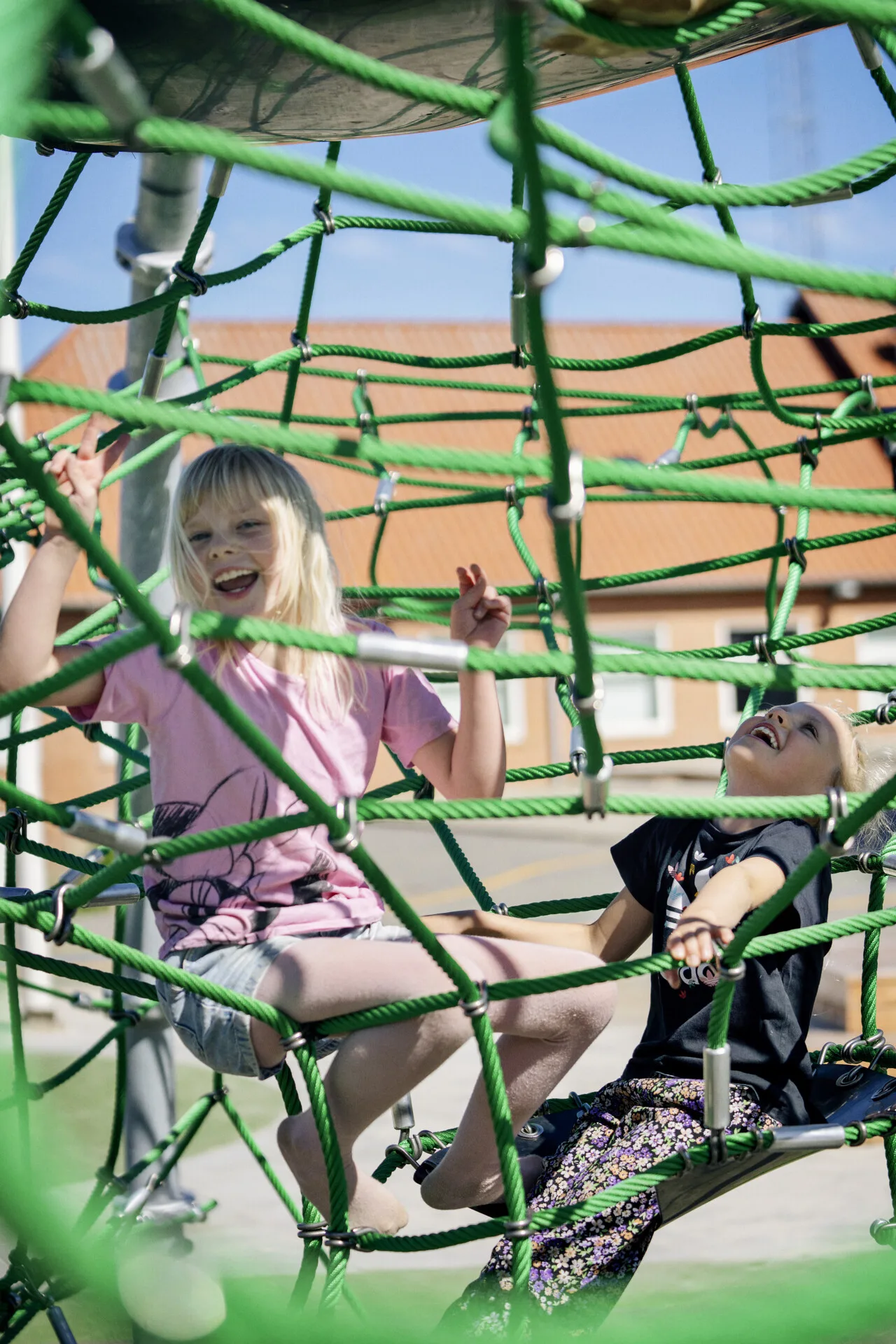
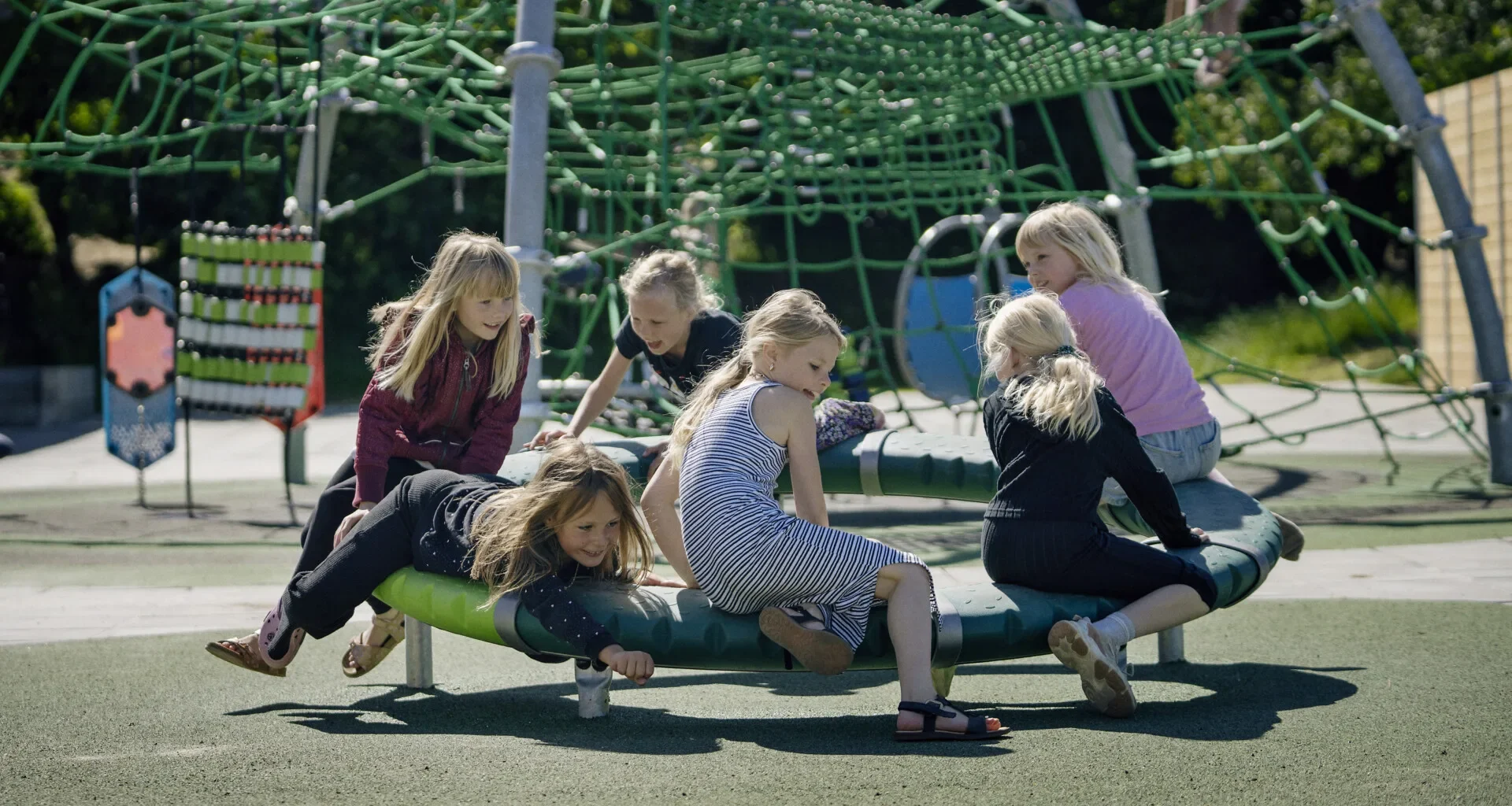
The role of playgrounds in promoting children’s health – a scoping review
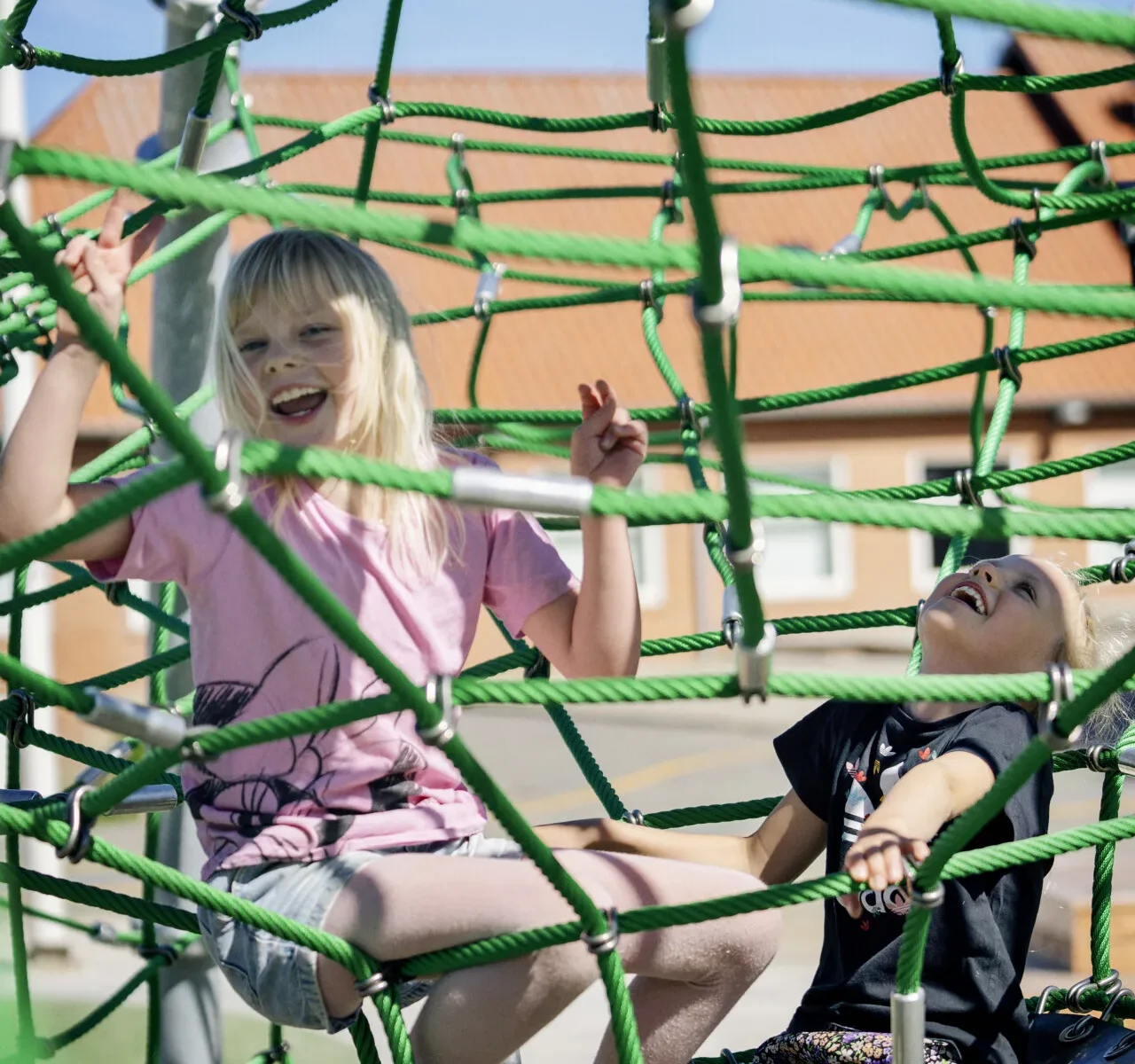
Children’s voices in playground design: creating fun and inclusive play spaces
Children’s voices in playground design: creating fun and inclusive play spaces
When it comes to playgrounds and play spaces, children are the real experts. As the primary users, they understand what makes playgrounds fun and engaging and can offer valuable input on how to improve them. Therefore, their perspectives and suggestions should be integral to the planning, design, and evaluation of playgrounds.
In their 2023 review, Morgenthaler and colleagues examined the findings of over 50 global studies focused on exploring playgrounds and outdoor play through children’s eyes. These studies involved over 3670 children aged 0-12 years. Most importantly, the authors included research involving children with disabilities – a perspective frequently overlooked in playground research.
In this brief we highlight key findings from the review, helpful for anyone aiming to design an inclusive and engaging playground that offers diverse opportunities for play and fosters enjoyable interactions for children of all abilities.
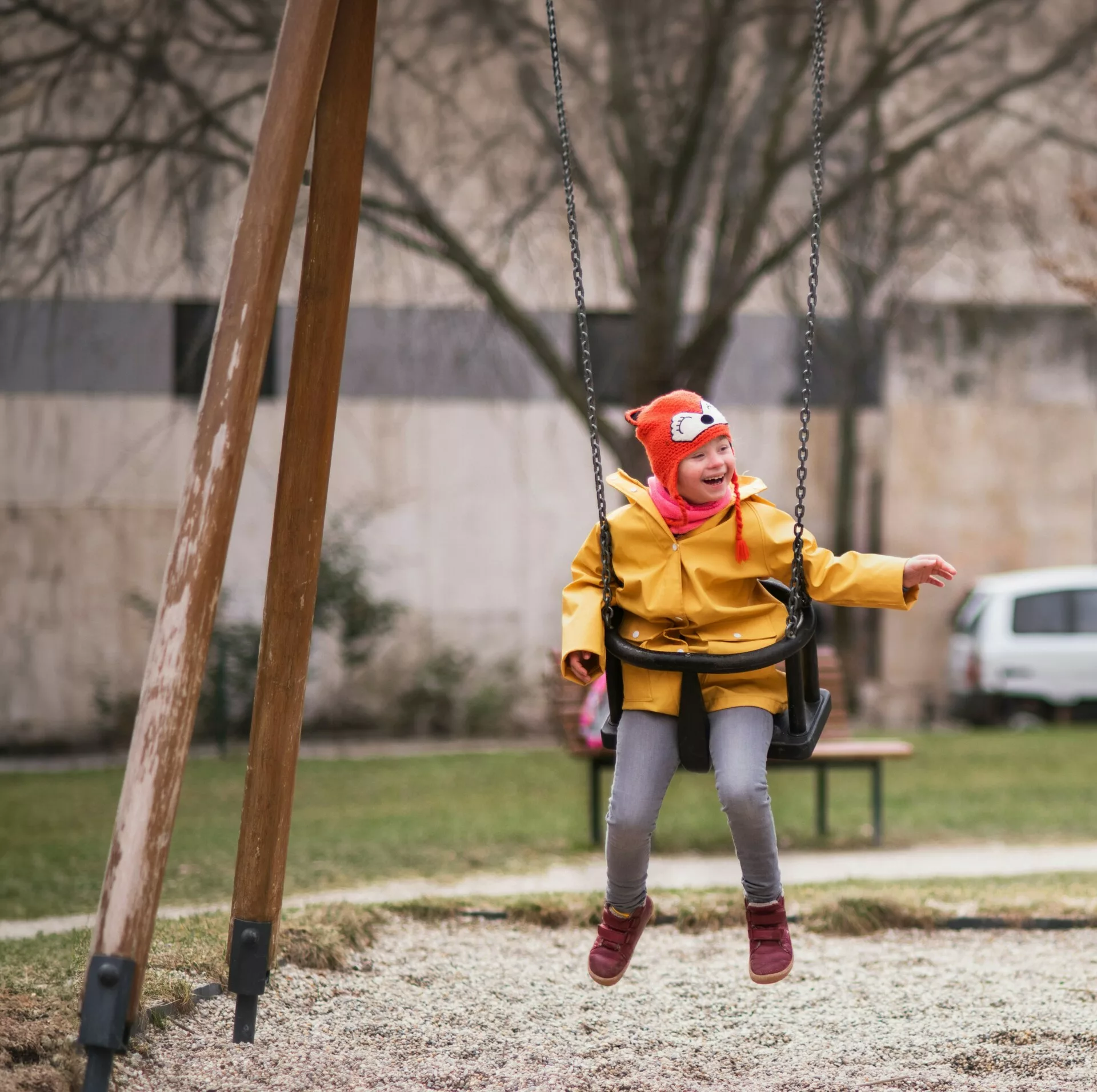
Challenges in designing natural playgrounds for everyone
Challenges in designing natural playgrounds for everyone
Research has shown that natural play spaces, with integrated natural elements such as trees, plants, rocks, and water, offer numerous benefits for children and communities. These spaces are designed to attract diverse users and offer a wide range of play opportunities that go beyond physical play, promoting inclusivity.
However, these spaces are often less accessible to marginalized communities and children with disabilities.
In this brief, we present key findings from a study that investigated natural playgrounds in Calgary, Canada, focusing on access, equity, and inclusivity. The researchers conducted walking/playing and online interviews with 51 participants, including children, caregivers, playground designers, and municipal workers.
The study focused on exploring barriers and challenges in the development and usage of natural play spaces.
These findings are relevant for urban, park, city, and playground planners and architects, particularly those involved in the design and development of public spaces. It may also be relevant for those involved in decision-making processes related to urban development and public spaces that promote equity and inclusivity.

The role of playgrounds in the development of children’s fundamental movement skills: A scoping review
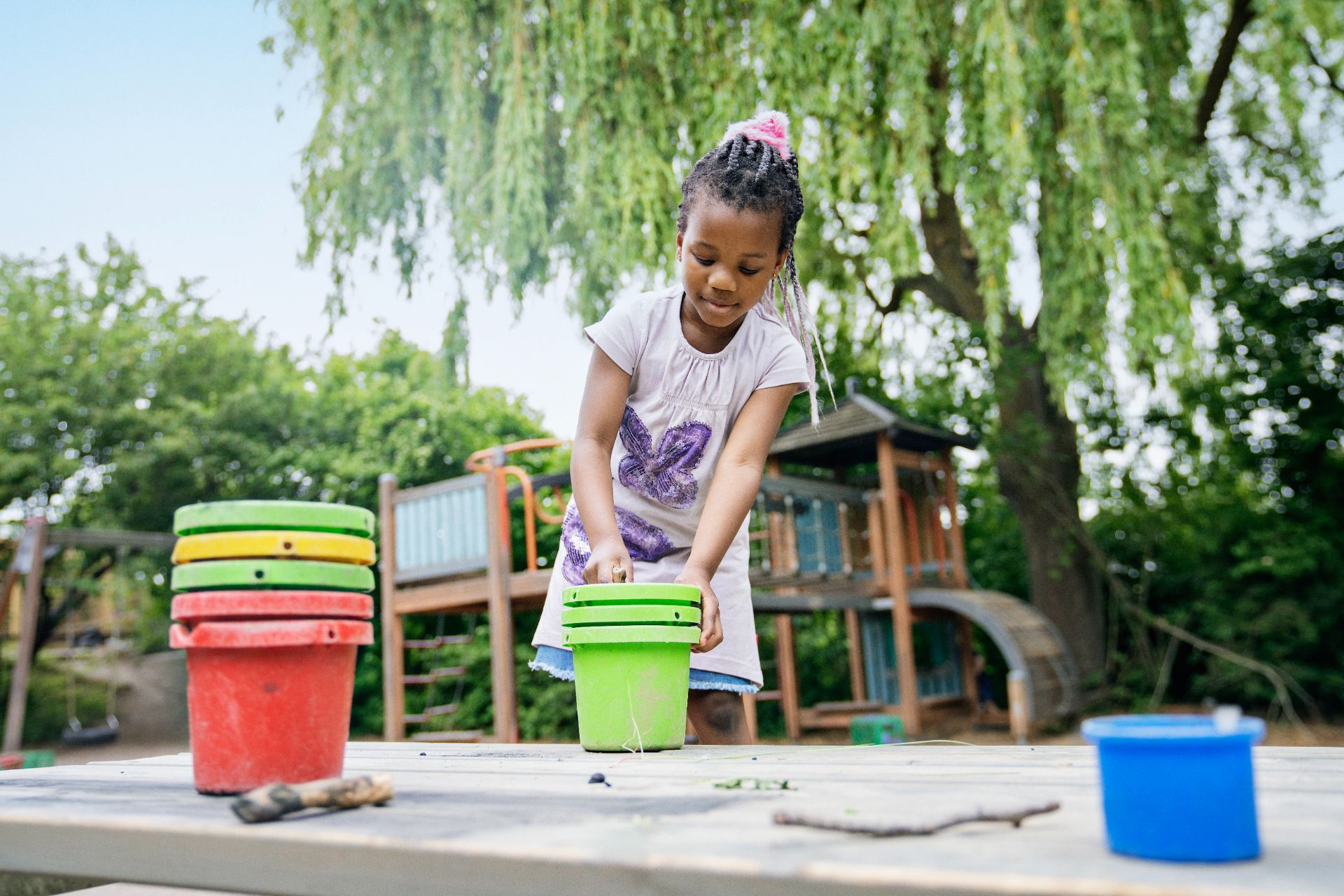
Accessibility and equity issues within natural playground usage and development
ANALYSIS OF PREFERENCES OF CHILDREN WITH HEALTH LIMITATIONS REGARDING THE ARRANGEMENT OF INCLUSIVE CHILDREN’S PLAYGROUNDS IN MOSCOW
Associations between outdoor play features and children’s behavior and health: A systematic review

Designing Gender-Neutral Playgrounds: The Impact of Natural Environments on Children’s Behaviors
Experiences and Attitudes of Parents about Children’s Free Time at Children’s Sports Playgrounds
Relationships Between Measures of the Physical Activity-Related Built Environment and Excess Weight in Preschoolers: A Retrospective, Population-Level Cohort Study
Development and implementation of a municipal outdoor play policy for children and youth in Nova Scotia, Canada: a community case study
Running the risk: The social, behavioral and environmental associations with positive risk in children’s play activities in outdoor playspaces
The availability between recreational facilities and physical activity of US adolescents